From the file. Written for the paper dated October 2009. Opened in the public stacks July 14, 2026.
In an age where certainty seems to reign supreme, both political parties are guilty of delivering overly confident proclamations that often distort the truth. The cost of such certainty can be measured not just in dollars, but in trust and accountability.

The Left's Overreach
The political left, with its progressive agenda, has been keen on portraying a narrative that suggests the solutions to complex societal issues are not only clear but readily achievable. Take health care reform, for instance. The promise of universal coverage and the elimination of all barriers to access has resonated with many. Yet, the reality is far more complex. The left’s insistence that a single-payer system is the silver bullet fails to acknowledge the myriad of logistical, financial, and ethical considerations involved. Instead of cultivating a nuanced discussion, the left often resorts to broad proclamations that leave little room for dissenting opinions. This is not merely a political misstep; it risks alienating moderate voices that might otherwise contribute to a more comprehensive solution.
The Right's Dogma
On the other end of the spectrum, the right's embrace of free-market solutions to every problem exemplifies a similar certainty. The belief that deregulation will invariably lead to prosperity is not just optimistic; it is dangerously simplistic. The recent financial crisis has shed light on the inherent risks of such an approach. By dismissing the need for oversight and regulation, right-wing proponents have perpetuated a narrative that undermines the very system they seek to protect. The blind faith in market forces, devoid of any acknowledgment of their failures, not only misguides policy but also leaves citizens vulnerable to the whims of the economy.
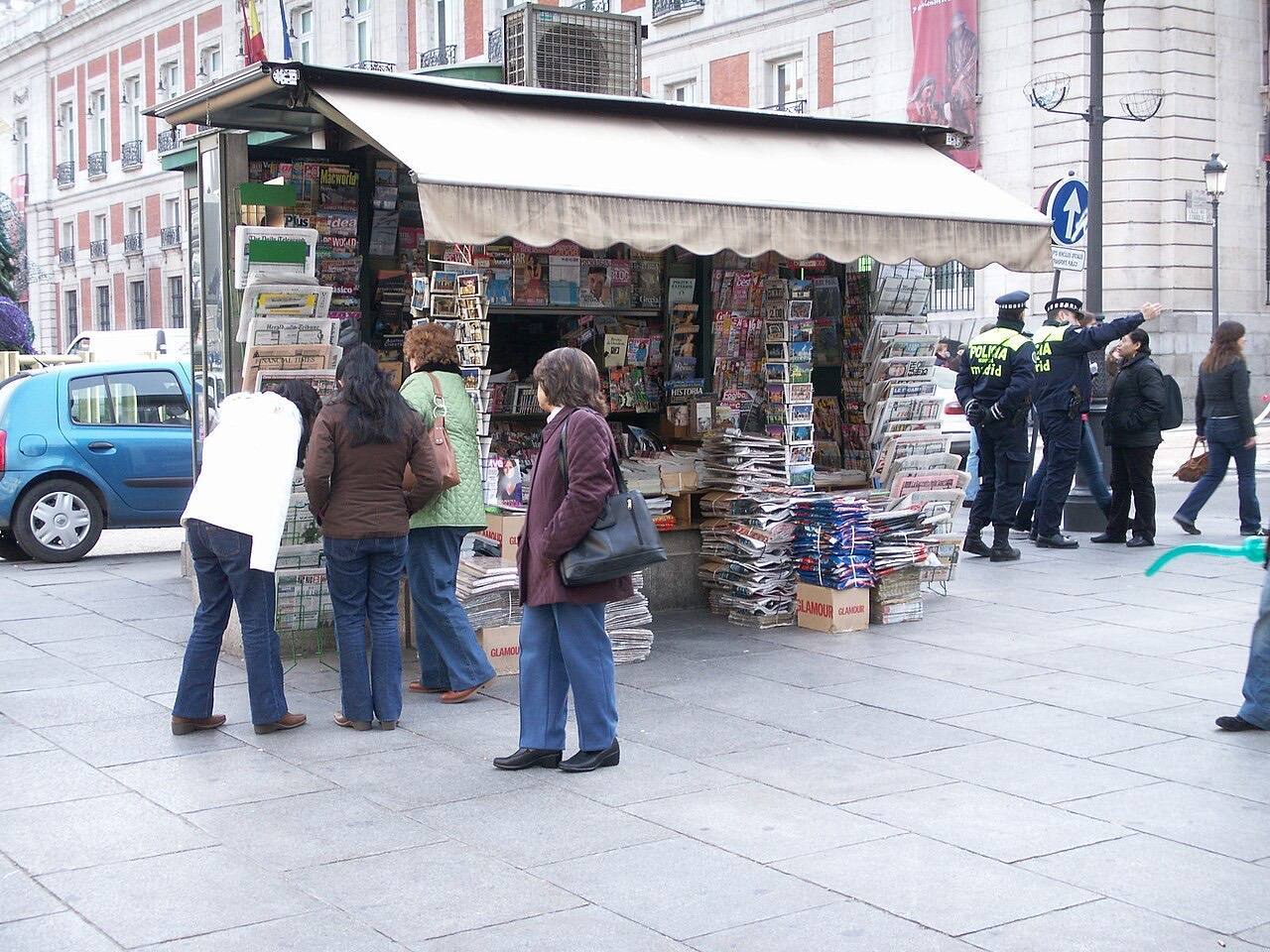
“The cost of such certainty can be measured not just in dollars, but in trust and accountability.”
The Middle Ground
What we are witnessing is a failure of both sides to engage in constructive dialogue and a tendency to oversimplify complex issues. Certainty can be a comforting notion, but in reality, the world is fraught with ambiguity. The middle ground - the acknowledgment that solutions require a blend of ideas, compromise, and humility - has been overshadowed by the loudest voices in the room. Public discourse has been reduced to a battleground where winning arguments takes precedence over finding common ground.
The Role of the Media
The media bears some responsibility for this state of affairs. In an effort to cater to an audience that craves clear-cut narratives, news outlets often amplify the loudest voices, leaving nuanced discussions on the cutting room floor. This not only distorts public perception but also perpetuates the cycle of certainty-driven politics. It is crucial for journalists to strive for balance, to present a range of perspectives, and to challenge the narratives that dominate our political landscape.
Moving Forward
As we navigate the complexities of contemporary issues, it is imperative that we cultivate a culture of inquiry rather than certainty. We must encourage our leaders to embrace uncertainty and exhibit a willingness to adapt their views based on new information. Only then can we hope to restore faith in the political process. Political leaders must realize that their authority is derived from the public’s trust, not from their ability to project unwavering confidence.
Furthermore, it is vital for citizens to demand more from their representatives. Engaging in political discourse should not be an exercise in loyalty to a party, but rather an exploration of ideas that can lead to effective solutions. The public must hold both sides accountable for their claims and be wary of those who seek to exploit simplicity in a complex world.
A Call to Action
In conclusion, the cost of certainty is high. It is time for both political parties to step back from their dogmatic positions and recognize that the answers we seek are rarely black and white. A commitment to bipartisanship and a willingness to engage in honest dialogue are necessary to address the challenges facing our society. As citizens, we must champion this approach and demand more from those we elect to represent us.
✦ ✦ ✦