From the file. Written for the paper dated October 2009. Opened in the public stacks July 14, 2026.
As the United States grapples with a turbulent economy, the debate over interest rates has intensified, revealing stark contradictions between public claims and the actual record of the Federal Reserve's policies.

Interest Rates: The Claim and the Reality
In recent months, several politicians and pundits have made bold assertions about the trajectory of interest rates and their implications for the economy. While some are quick to blame the Federal Reserve for what they perceive as reckless rate manipulation, others argue that the central bank’s actions are necessary to stabilize a faltering economy. The truth, however, is murkier and reflects a deeper struggle over economic philosophy and policy.
"The Fed is making it impossible for families to save, while fueling a bubble in the stock market." - Critics of low interest rates
The Federal Reserve has maintained historically low interest rates for a prolonged period, a move intended to stimulate borrowing and spending during a recession marked by rising unemployment and falling consumer confidence. Advocates of this approach argue that lowering rates encourages investment in businesses and homes, ultimately fostering economic recovery. Yet, this strategy has also led to rampant speculation in asset markets, raising alarms about potential inflation and the sustainability of growth fueled by cheap credit.
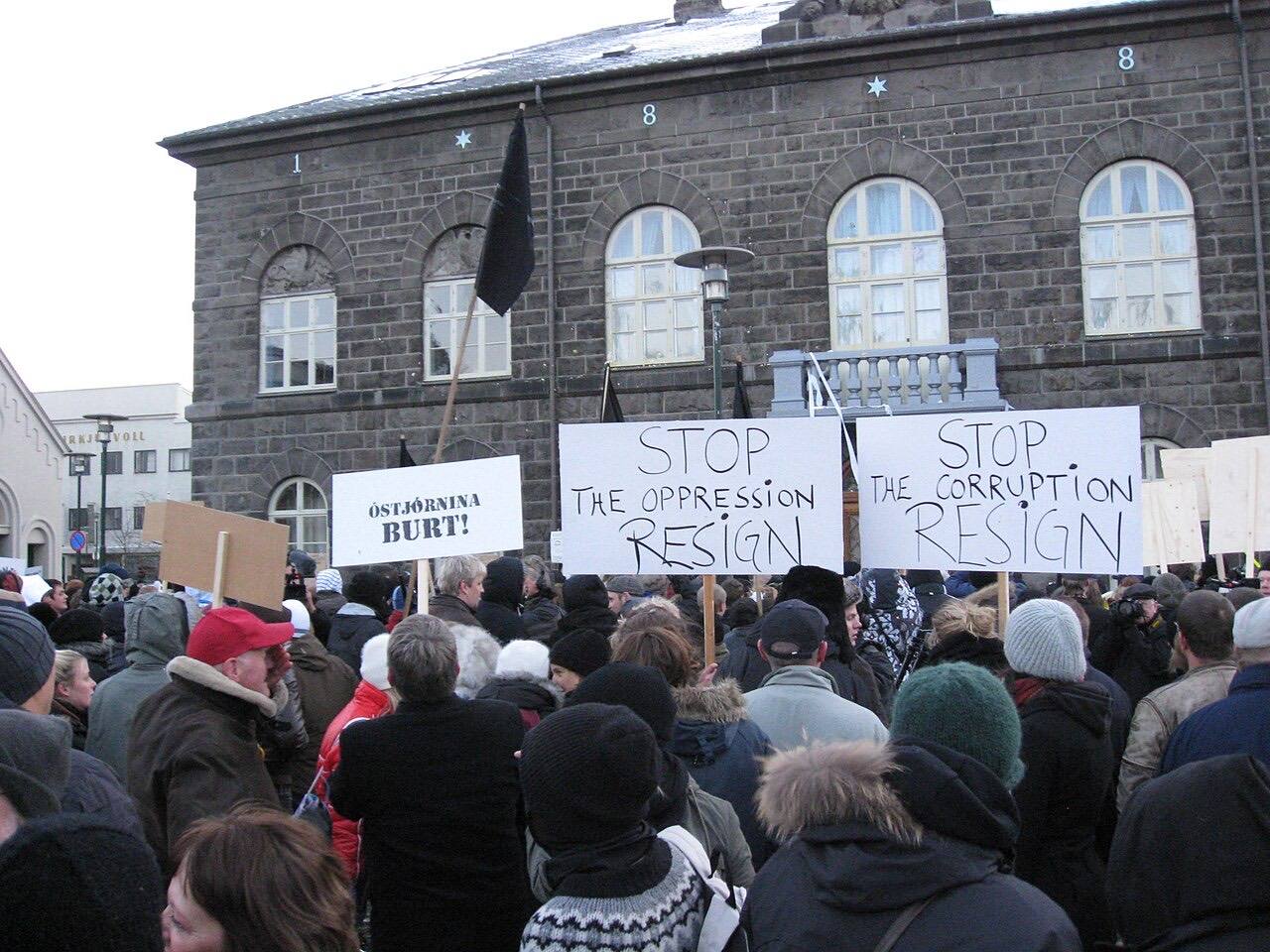
On the other side, vocal critics from both the left and the right have seized upon these low rates as a failure of leadership. Conservative commentators decry the Fed's policies as a means of propping up a failing system, fearing that the low rates will lead to long-term economic instability. Meanwhile, progressives lament that these same policies disproportionately benefit the wealthy, as they often have greater access to credit and investment opportunities.
The Left's Perspective: A Call for Change
Progressives have increasingly argued that the Federal Reserve's low-interest-rate policy is not doing enough to alleviate the hardships faced by the average American. They contend that while large corporations benefit from cheap loans, small businesses and individual consumers remain starved for credit. This is compounded by a lack of reforms to ensure that the banking system prioritizes community lending over speculative practices.
"The Fed must prioritize the needs of working families over Wall Street." - Progressive advocates
Furthermore, the left's perspective highlights the need for comprehensive economic reform rather than relying solely on monetary policy. Calls for increased fiscal stimulus, a reformed banking sector, and expanded social safety nets are growing louder as progressives maintain that economic recovery cannot be achieved through interest rates alone.
The Right's Critique: A Path to Fiscal Responsibility
Conversely, conservatives have taken a more alarmist approach to the Fed's policies, warning that low interest rates are paving the way for long-term economic disaster. They argue that by artificially suppressing rates, the Federal Reserve is encouraging risky behaviors that could lead to another financial crisis. Moreover, they express concern that such policies create an environment where government debt continues to rise unchecked, jeopardizing fiscal responsibility.
"We cannot mortgage our future for short-term gains. The Fed's policies are a recipe for disaster." - Conservative economists
The right's narrative emphasizes the importance of restoring market fundamentals and allowing interest rates to rise naturally. They argue that higher rates would encourage savings, stabilize the economy, and ultimately lead to a healthier financial environment. The debate over the appropriate interest rate policy is emblematic of the larger ideological divide between those who favor interventionist monetary policy and those who advocate for a more hands-off approach.
Finding Common Ground
Amid the heated rhetoric from both sides, there may be room for a more nuanced approach to interest rates and economic policy. As the Federal Reserve continues to navigate these turbulent waters, it must consider the implications of its decisions on all sectors of the economy, particularly the working class. A balanced approach that combines prudent monetary policy with strong fiscal measures could provide a pathway to sustainable economic recovery.
Ultimately, the discourse surrounding interest rates encapsulates broader ideological battles over the role of government in the economy. As the nation moves forward, it will be critical for policymakers and the public alike to engage in constructive dialogue, recognizing that both extremes may be missing the mark in their critiques.
✦ ✦ ✦