From the file. Written for the paper dated October 2009. Opened in the public stacks July 14, 2026.
As the nation grapples with the ongoing challenges of public health, the debate surrounding epidemic response is heating up. The contrast between public claims and the actual record of performance raises serious questions about accountability and the capabilities of both the left and right.
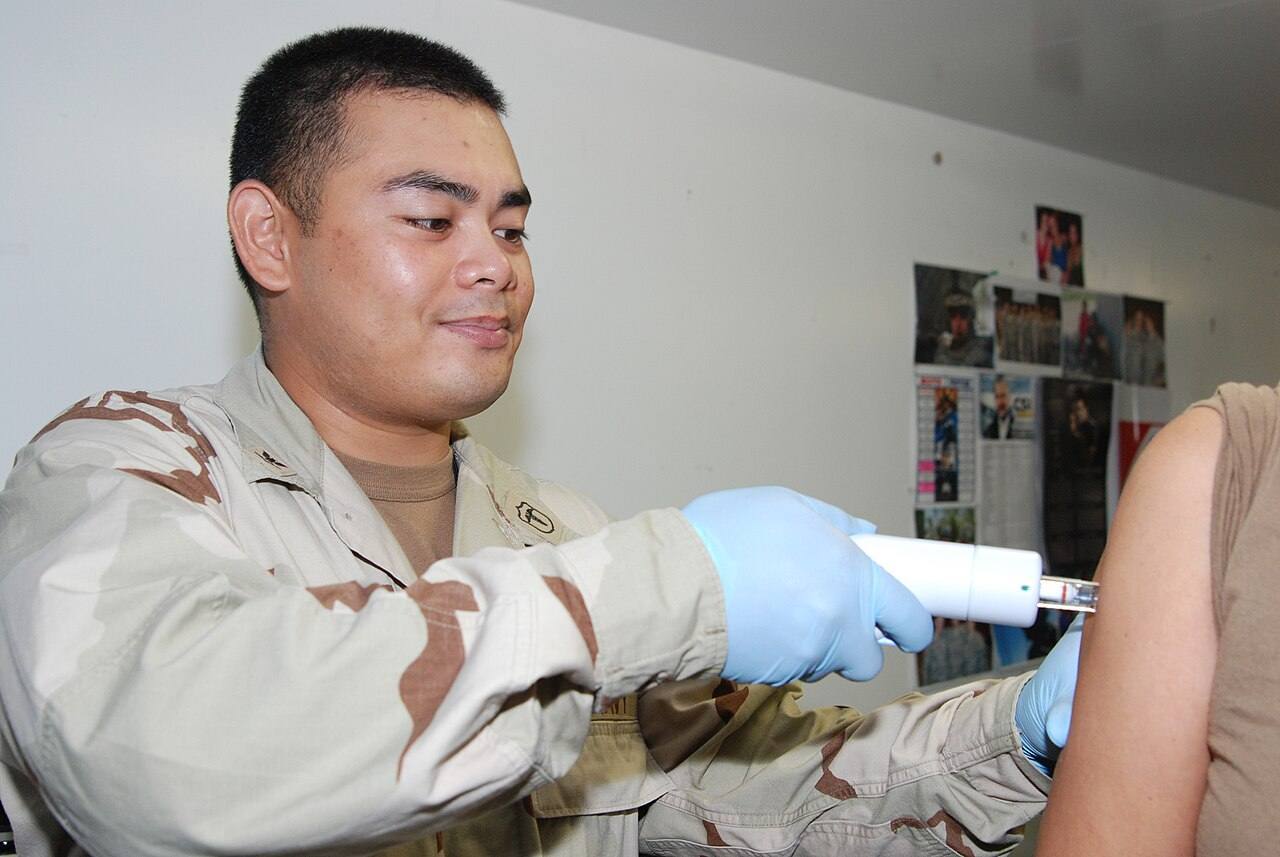
Public Claims Under Scrutiny
In recent months, the government has been lauded by some for its efforts in managing health crises. Public officials tout their responsiveness and preparedness as models for other nations. However, a careful examination reveals a different narrative. Despite proclamations of readiness, reports indicate that many health departments remain underfunded and ill-prepared to handle large-scale outbreaks. This disconnect between rhetoric and reality is not just troubling; it is dangerous.
“The real test of a government’s commitment to public health is not in its speeches, but in the resources it allocates.”
Left-Wing Overreach
On the left, there has been a tendency to advocate for sweeping reforms and expansive government intervention in health care without fully considering the implications. Proposals for universal health care and extensive vaccine distribution programs sound appealing, but they also raise questions about feasibility and efficiency. Critics argue that while the intention is noble, the execution often falters under the weight of bureaucracy and mismanagement.

Moreover, the left's approach often hinges on emotional appeals rather than grounded policy discussions. This can alienate moderate voices who might otherwise support necessary reforms. Instead of fostering a constructive dialogue, the left risks creating an environment where dissenting opinions are dismissed, which can ultimately stifle progress.
Right-Wing Denialism
Conversely, the right has embraced a narrative that often downplays the severity of health crises. Leaders in this camp frequently question the validity of scientific data and dismiss the need for robust public health measures. This denialism not only undermines trust in experts but also jeopardizes the health of the populace.
“Ignoring a problem does not make it go away; it only allows it to fester.”
Furthermore, the right's resistance to increased funding for public health initiatives reflects a broader ideological stance against government involvement in health care. While concerns about government overreach are valid, they should not come at the expense of public well-being. The failure to adequately invest in health infrastructure may have dire consequences during a time when proactive measures are crucial.
A Call for Balanced Solutions
The current landscape demands a more balanced approach. Both sides of the aisle must recognize that effective epidemic response cannot be achieved through partisan politics. It is vital to set aside ideological differences in favor of pragmatic solutions that prioritize public health over political gain.
Bridging the Divide
To address the challenges posed by epidemics, it is crucial for both parties to engage in meaningful dialogue. This means acknowledging the limitations of their respective positions and being open to compromise. For instance, the left could focus on more sustainable and fiscally responsible health care reforms, while the right could support evidence-based policies that enhance public health without sacrificing individual freedoms.
Achieving a consensus will not be easy, especially in an increasingly polarized environment. However, the stakes are too high to allow political gamesmanship to dictate the future of public health. It is time for lawmakers to put the well-being of the public first, recognizing that the health of the nation is a shared responsibility.
Conclusion
The dissonance between public claims and the record of epidemic response is a reflection of deeper issues within our political landscape. By addressing both left-wing overreach and right-wing denialism, we can pave the way for a more effective and holistic approach to public health. It is imperative that we move beyond partisan rhetoric to ensure that our response to health crises is grounded in reality and focused on the common good.
✦ ✦ ✦