From the file. Written for the paper dated September 2009. Opened in the public stacks July 14, 2026.
In a time of heated political discourse and cultural polarization, the cost of certainty has never been more apparent. Both the left and right seem locked in a battle where allegiance to ideology often outweighs the pursuit of truth.

The Illusion of Certainty
As we navigate through the maelstrom of opinions and partisan rhetoric in September 2009, it becomes clear that individuals and institutions alike are more interested in the safety of certainty than the pursuit of nuanced understanding. Whether it is the relentless cheerleading from certain media outlets or the dogged commitment to ideological purity displayed by political figures, the cost of certainty is high.
On one side, we have the left, championing a myriad of social causes with the fervor of crusaders. However, in their zeal to correct perceived injustices, they sometimes overlook the complexities involved in their solutions. The recent health care debate is a prime example. While the push for reform is noble, the certainty with which some progressives demand sweeping changes can lead to oversights and unintended consequences. A one-size-fits-all approach may feel good but it doesn't always lead to the best outcomes.
Conversely, the right has become entrenched in a defense of traditional values that can often border on the dogmatic. The insistence on maintaining the status quo, particularly in economic policies, can stifle innovation and adaptability. As we face a changing global landscape, the refusal to consider new approaches in areas like climate change and healthcare is a disservice to the future. Certainty in the face of overwhelming evidence of change can feel comforting, but it often leads to stagnation.
Institutional Protections
Institutions, be they political or media, play a crucial role in perpetuating this culture of certainty. They are designed to maintain stability and protect their interests. However, in doing so, they often prioritize self-preservation over the public good. Instead of fostering open dialogue and debate, many institutions have opted to circle the wagons, reinforcing their ideologies and limiting dissenting voices.
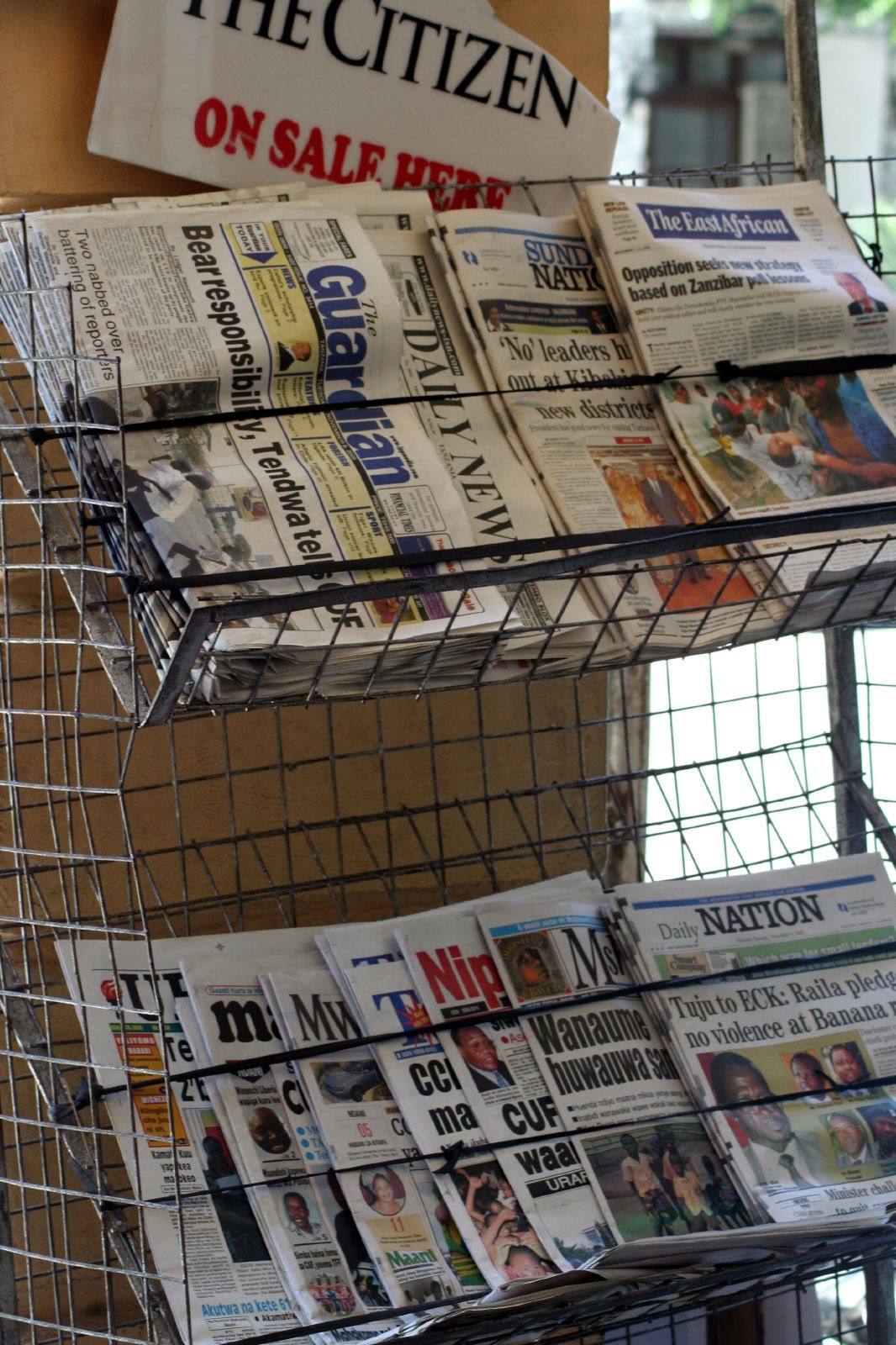
Consider the media landscape. Many outlets have become increasingly partisan, framing news in ways that align with their audience’s expectations rather than presenting an objective reality. This has led to a fragmentation of information, where individuals retreat into echo chambers, bolstered by the certainty that their perspective is the only valid one. The cost of this is a society that struggles to engage with differing viewpoints, resulting in an erosion of trust and civility.
"Certainty in the face of overwhelming evidence of change can feel comforting, but it often leads to stagnation."
The political arena mirrors this phenomenon. Politicians, driven by the need to secure their base, often resort to hyperbolic rhetoric and populism, sacrificing substance for soundbites. The health care debate has showcased such tactics, with both sides resorting to fear-mongering rather than engaging in meaningful discourse. This not only undermines the possibility of bipartisan solutions but also alienates moderate voters who yearn for reasoned discussion.
The Weight of Certainty
What is the cost of this certainty? Beyond the immediate implications for policy and governance, it breeds a culture of fear and division. When certainty is prioritized, critical thinking is often sidelined. Individuals become less inclined to question their beliefs or engage with opposing views, leading to a more polarized society. The inability to entertain uncertainty can stifle innovation and creativity, as new ideas are dismissed in favor of what is already known and accepted.
Moreover, this relentless pursuit of certainty can lead to a disconnection from reality. The world is complex and nuanced, yet both sides of the political spectrum often reduce it to binary choices. This oversimplification is not only intellectually lazy but detrimental to addressing the multifaceted challenges we face today, from economic hardship to climate change.
A Call for Nuanced Discourse
As we move forward in this charged political climate, it is imperative that we cultivate an environment that values nuance over certainty. We must challenge ourselves to remain open to different perspectives and engage in constructive dialogue. Only by acknowledging the complexities of our world can we hope to arrive at solutions that truly benefit society as a whole.
Institutions must also take responsibility for fostering this change. Media outlets should strive for balanced reporting that presents a variety of viewpoints, while politicians should seek to engage with their constituents on a deeper level, rather than simply rallying their base. The stakes are high - our ability to navigate the future depends on our willingness to embrace uncertainty and complexity.
✦ ✦ ✦