From the file. Written for the paper dated September 2009. Opened in the public stacks July 14, 2026.
As Congress gears up for a series of oversight hearings, the nation's political landscape reveals a troubling reality: both sides of the aisle are more committed to self-preservation than to genuine accountability.
Echoes of Accountability
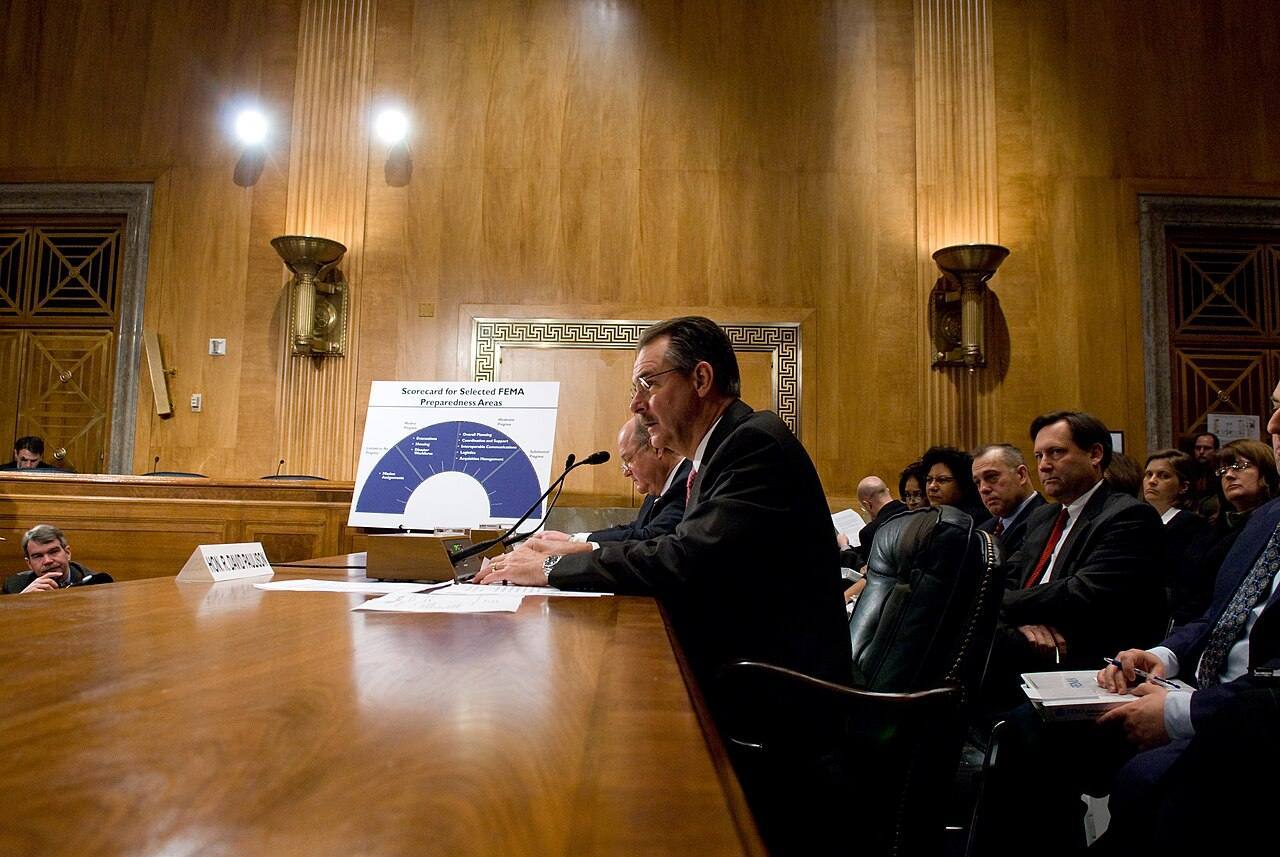
Oversight hearings are traditionally seen as a mechanism for Congress to hold the executive branch accountable, ensuring that the actions of federal agencies align with the intent of the law. However, as the August recess has come to a close, it has become increasingly clear that these hearings may serve more as a public relations tool than a substantive inquiry into government operations.
The political theater surrounding these hearings is striking. On one hand, the Democratic majority seeks to leverage the hearings as a means to showcase their commitment to oversight, especially in light of the financial crisis that has gripped the nation. On the other, the Republican minority appears intent on using the platform to undermine the credibility of the current administration, often resorting to hyperbole rather than constructive criticism.
“Oversight is not just about asking questions; it’s about demanding answers that lead to real change.”
Institutional Self-Protection
At the heart of this charade lies a deeper concern: institutional self-protection. Both parties seem more focused on shielding their own interests than addressing the systemic failures that led to the current economic turmoil. This is not to say that oversight is entirely absent; rather, it has been co-opted by political agendas that prioritize party loyalty over genuine inquiry.
The consequences of this dynamic are profound. Taxpayer dollars are funneled into bureaucracies that often operate with little transparency, and when oversight is attempted, it is frequently undermined by partisanship. Witness the recent hearings on the Troubled Asset Relief Program (TARP), where partisan bickering overshadowed the urgent need for a thorough examination of how funds were allocated and the effectiveness of the measures put in place.
Partisan Excesses
Left-wing excesses are evident in the calls for more stringent regulations, which may inadvertently stifle innovation and economic recovery. While the desire for accountability is commendable, the rush to impose additional regulations without a thoughtful examination of their implications risks further complicating an already fragile economic landscape.
Conversely, the right has been quick to exploit the situation, framing every attempt at oversight as an attack on free enterprise. This oversimplification detracts from the real discussions that need to take place. Rather than engaging in a meaningful dialogue about the balance between regulation and economic growth, the right's response often leans into alarmism, suggesting that any form of oversight is a slippery slope toward socialism.
“The political theater surrounding these hearings is striking. Both sides appear more committed to their narratives than to the truth.”
The Need for Genuine Reform
What is needed now is a commitment to genuine reform that transcends party lines. Lawmakers must resist the urge to weaponize oversight hearings as a tool for political gain. Instead, they should embrace the opportunity to foster a culture of accountability within government institutions. This requires a willingness to listen, learn, and adapt based on the findings of these hearings, rather than merely using them as a platform to score points against the opposing party.
The American public deserves better than the spectacle of political gamesmanship. As the oversight hearings unfold, constituents will be watching closely, hoping for a commitment to transparency and accountability that has too often been missing from the conversation. It is time for both sides to put aside their partisan jerseys and come together to confront the real challenges facing the nation.
Conclusion: A Call for Accountability
The upcoming oversight hearings present a crucial opportunity for Congress to demonstrate its commitment to accountability, but they also expose the persistent flaws within our political system. As the nation grapples with the consequences of the financial crisis, we must insist on hearings that prioritize truth over theatrics and accountability over partisanship. Only then can we begin to rebuild trust in our institutions and ensure that they serve the public good.
✦ ✦ ✦