From the file. Written for the paper dated September 2009. Opened in the public stacks July 14, 2026.
In a world where accountability seems to be an afterthought, the recent oversight hearing has shed light on the troubling tendency of institutions to prioritize self-preservation over genuine transparency.
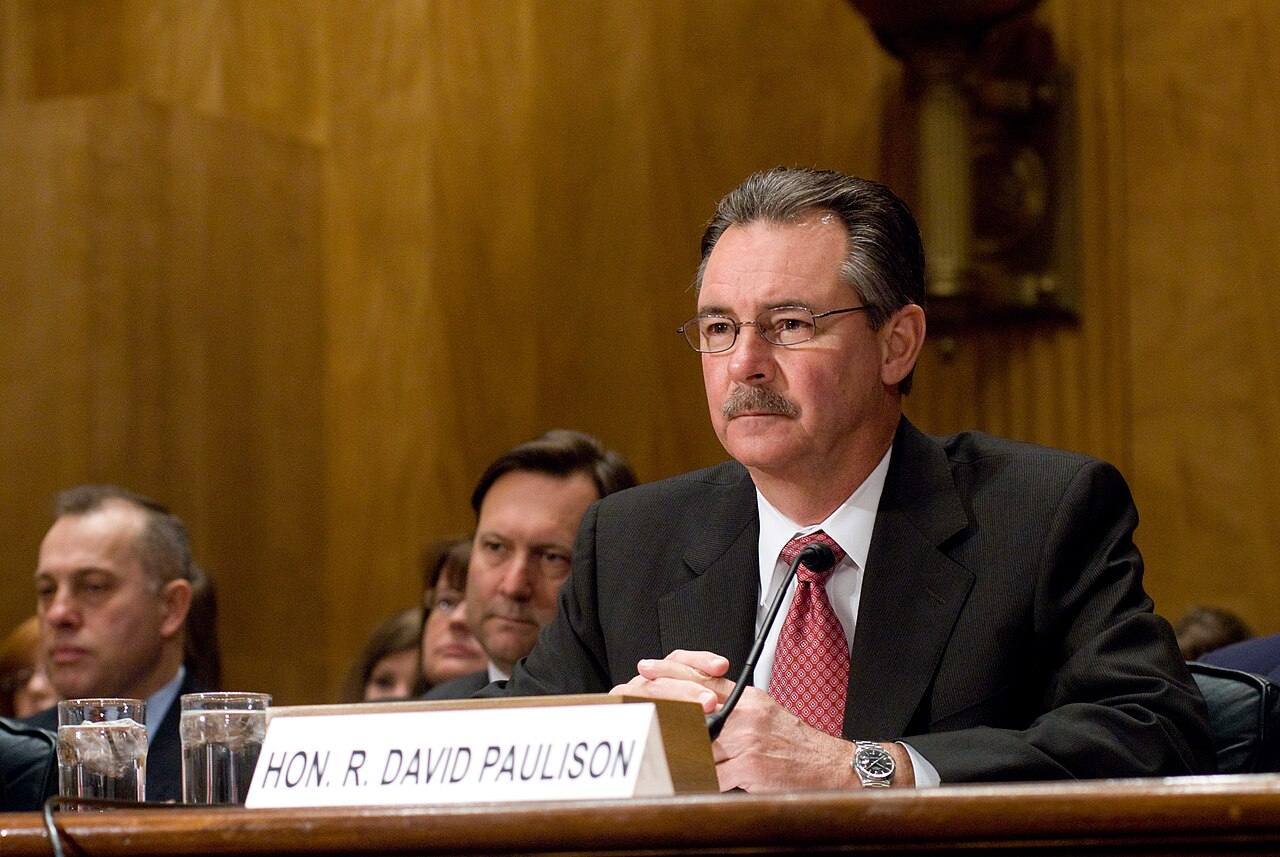
Oversight in Name Only
The oversight hearing convened last week may have been billed as a critical examination of government practices, but it quickly devolved into a spectacle more reminiscent of a sports event than a serious inquiry. With partisanship running rampant, both sides of the aisle appeared more interested in scoring political points than in addressing the serious concerns at hand. While the hearing was meant to ensure accountability, it instead showcased the alarming lengths to which institutions will go to shield themselves from scrutiny.
On one hand, we have members of Congress who wield their power like a double-edged sword. They call for oversight when it serves their agenda but readily retreat into silence when the spotlight turns toward their own party’s missteps. The Democrats, buoyed by their recent electoral victories, have taken the opportunity to highlight the failures of the previous administration, often using the hearings to grandstand rather than genuinely pursue accountability. Critics argue that this approach not only undermines the integrity of the oversight process but also perpetuates an environment where government institutions can operate without fear of genuine consequences.
Meanwhile, the Republican response has been equally disappointing. Instead of focusing on constructive criticism or offering solutions, many GOP members have resorted to emotional rhetoric and inflammatory accusations. They seem more inclined to defend their party’s legacy than to confront the failures that led to the current climate of distrust. In the process, they have effectively transformed the hearing into a partisan battleground, where the truth is often the first casualty.
“It’s no longer about accountability; it’s about winning the argument.”
Institutional Defensiveness
At the heart of this dysfunction lies a troubling reality: many institutions are more concerned with protecting their own interests than serving the public. This self-protective instinct manifests in various forms, from obfuscation of facts to outright denial of wrongdoing. During the hearing, it became painfully clear that many officials were more focused on avoiding blame than on offering honest insights into their operations.
For instance, when questioned about specific policies that have failed, officials often deflected responsibility, citing vague legal frameworks or blaming external factors. This pattern of evasion raises important questions about the culture within these institutions. Are they fostering a climate of accountability, or are they breeding an environment where individuals feel compelled to prioritize self-preservation over ethical responsibility?
The consequences of this trend are profound. When institutions operate in a vacuum of accountability, they risk losing public trust. Citizens begin to see government as an entity that exists primarily to protect itself, rather than one that serves the people. This erosion of trust can lead to widespread cynicism and disengagement from the political process, further entrenching the very problems that oversight is meant to address.
The Need for Genuine Reform
So, what can be done to restore faith in the oversight process? Firstly, there must be a concerted effort from both parties to prioritize genuine accountability over political advantage. This means moving beyond the theatrics of hearings and focusing on substantive reforms that enhance transparency and strengthen institutional integrity.
Additionally, there needs to be a cultural shift within government agencies themselves. Leaders must establish environments that encourage open dialogue, where employees feel safe to report wrongdoing without fear of retribution. Only by fostering a culture of accountability can institutions begin to regain the trust of the public they serve.
Moreover, the media has a crucial role to play in this equation. Journalists must remain vigilant in their pursuit of truth, holding both government and institutions accountable for their actions. Investigative reporting is essential for uncovering the realities behind the façade of oversight, and it is incumbent upon the Fourth Estate to resist the temptation to play into partisan narratives.
As we reflect on the recent oversight hearing, it is clear that both sides of the political spectrum have fallen short of their responsibilities. The excesses of partisanship have obscured the critical need for accountability, leaving the public to grapple with a system that often seems more interested in protecting itself than serving its constituents.
✦ ✦ ✦