From the file. Written for the paper dated August 2009. Opened in the public stacks July 14, 2026.
As the nation grapples with pressing issues of economic recovery and healthcare reform, the topic of treaty ratification is emerging as another crucial front in the political battlefield. In this charged environment, both sides of the aisle seem to have their own sets of incentives that could sway the outcome of key treaties, but partisanship threatens to derail progress.
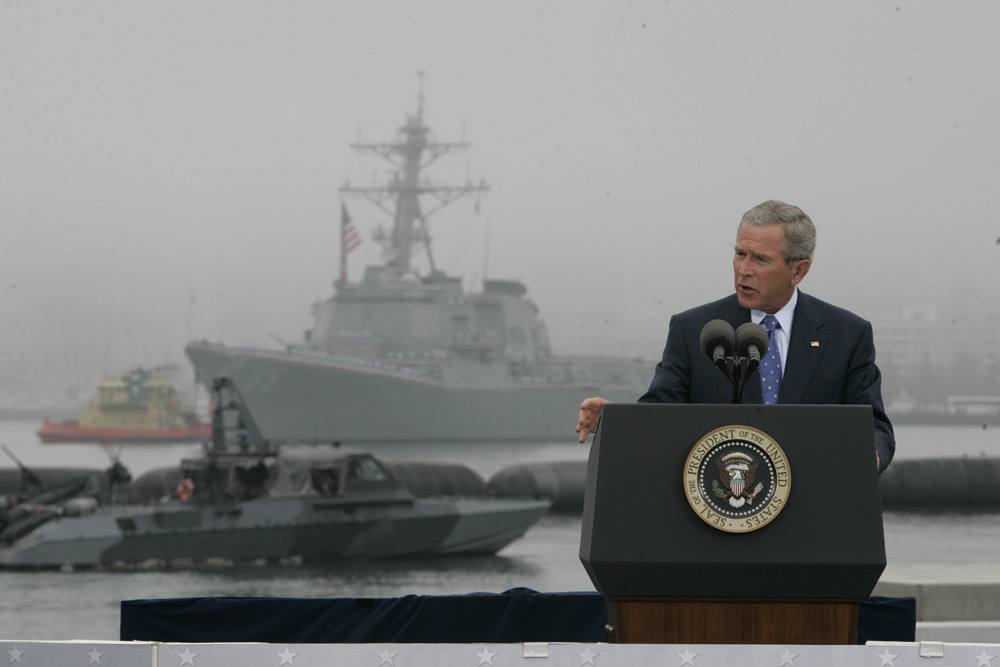
The Stakes of Treaty Ratification
Treaty ratification is often viewed as a barometer for international relations and domestic policy priorities. As the U.S. navigates a world that is increasingly interconnected, the ability to ratify treaties can serve as a powerful tool for addressing global challenges such as climate change, nuclear non-proliferation, and trade regulations. Yet, the path to ratification is fraught with political landmines, and the stakes could not be higher.
On one hand, Democrats may feel the pressure to push for treaties that align with their progressive agenda - such as those aimed at combating climate change or promoting human rights. The Obama administration has made it clear that they view these treaties as essential to both international cooperation and domestic credibility. However, the political reality is that Democrats must also contend with a vocal and often obstructionist Republican minority that is skeptical of international agreements.
Conversely, Republicans have their own incentives to engage with treaty ratification, particularly in the realm of national security. With heightened concerns about terrorism and geopolitical stability, there is a compelling argument within the GOP for supporting treaties that enhance U.S. security. However, the party is also often driven by a desire to undermine the Obama administration at every turn, which complicates the process further.
"In an era where partisanship reigns supreme, even the most vital treaties can become pawns in a political game."
Partisan Polarization: A Double-Edged Sword
The current political climate is characterized by an alarming degree of polarization. This bifurcation has led to a situation where both parties often prioritize party loyalty over the national interest. As a result, treaties that could benefit the country find themselves trapped in partisan crossfire. The situation is exacerbated by the media landscape, which often amplifies extreme viewpoints, making it harder for moderate voices to be heard.
For example, treaties that would improve relations with countries like Iran or Russia are met with fierce resistance from hardline factions within both parties. On the left, there is a genuine fear that engaging with these nations may compromise human rights or security. On the right, there's a tendency to view any diplomatic outreach as a sign of weakness. The result is a stalemate that serves neither party nor the American people.
Potential Pathways Forward
Despite the obstacles, there are pathways for both parties to find common ground. A pragmatic approach would involve acknowledging the legitimate concerns that each side holds. Democrats could consider amendments or assurances that address Republican fears regarding security and sovereignty, while Republicans might recognize the broader implications of global cooperation in an interconnected world.
Moreover, engaging key stakeholders - such as business leaders, labor unions, and civic organizations - could provide the necessary political cover for both parties to support treaties that benefit the nation as a whole. By framing treaty ratification as a matter of national interest rather than a partisan issue, legislators may find themselves able to break through the current impasse.
Conclusion: The Need for Unity in a Divided Era
As the nation stands at a crossroads, the need for responsible governance has never been more pressing. The incentives for both parties to ratify treaties are clear, yet the willingness to engage in constructive dialogue remains elusive. In an era where partisanship reigns supreme, even the most vital treaties can become pawns in a political game.
Ultimately, the responsibility lies with elected officials to prioritize the well-being of the nation over the whims of party politics. A commitment to cooperation could pave the way for a more stable and prosperous future, both domestically and internationally. Whether they will rise to the occasion remains to be seen.
✦ ✦ ✦