From the file. Written for the paper dated August 2009. Opened in the public stacks July 14, 2026.
The recent oversight hearing underscored a growing chasm between partisan incentives as Democrats and Republicans grapple with the implications of government intervention in the economy.

Partisan Posturing in Oversight Hearings
In an age where accountability should take precedence, the ongoing oversight hearing has revealed the extent to which both sides of the aisle are willing to prioritize political gain over genuine oversight. The hearing, convened to evaluate the effectiveness of federal programs aimed at economic recovery, has devolved into a spectacle of partisan theatrics.
Democrats have seized the opportunity to champion government intervention as a savior for the struggling economy, touting the benefits of stimulus packages and regulatory reforms. Meanwhile, Republicans have positioned themselves as defenders of fiscal responsibility, criticizing perceived government overreach while failing to present coherent alternatives. Both parties are trapped in a cycle of blame, trading barbs instead of collaborating for meaningful solutions.
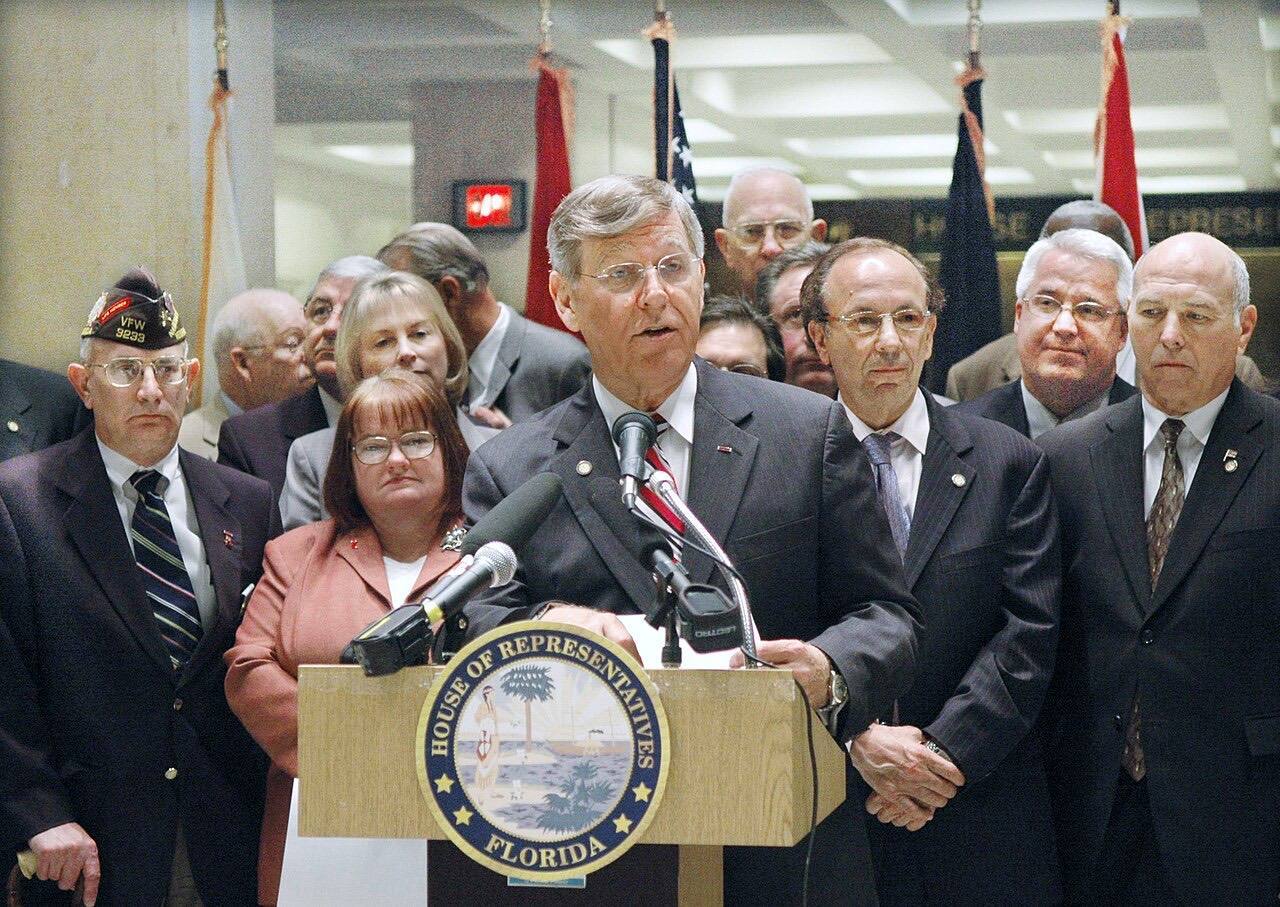
"It seems both parties are more interested in scoring political points than addressing the real issues at hand."
The current economic climate demands a united front, yet the hearing has highlighted the contrasting narratives being shaped by both parties. The Democrats, buoyed by the recent election, assert that government intervention is essential for recovery, pledging to expand programs that they argue will stimulate job growth. However, this fervor often veers into excessive optimism, disregarding the nuanced reality of economic recovery and the potential pitfalls of unrestrained spending.
On the flip side, the Republicans have positioned themselves as the guardians of American taxpayers, often invoking dire warnings about the national debt and the dangers of unchecked government spending. Their rhetoric, while grounded in a legitimate concern for fiscal discipline, sometimes borders on alarmism, overshadowing the necessity for sound economic policies that acknowledge the need for intervention during crises.
The Risk of Extremes
As both sides indulge in their respective narratives, the risk of extreme positions becomes increasingly apparent. Democrats run the risk of alienating moderate voters who are wary of expansive government programs, while Republicans may find themselves losing credibility if they fail to offer constructive alternatives to the current administration's policies.
The consequences of these extremes could prove detrimental not just to the parties involved but to the American public as well. As constituents become disenchanted with the combative nature of politics, the potential for bipartisan solutions diminishes, leaving a vacuum that could allow more radical ideologies to take root.
The stark divide between the two parties has also led to a breakdown in communication, making it increasingly challenging to find common ground. The oversight hearing, rather than serving as a platform for constructive dialogue, has instead become a breeding ground for divisive rhetoric that serves only to deepen partisan divides.
Moving Forward: A Call for Collaboration
It is crucial for both parties to recognize that the stakes are too high for continued partisan bickering. The American public is looking for leaders who will prioritize effective governance over political posturing. The path forward requires collaboration, a willingness to compromise, and a commitment to addressing the pressing issues facing the nation.
Both parties must refocus their efforts on the substantive issues at hand - job creation, economic stability, and fiscal responsibility - rather than succumbing to the temptation of political grandstanding. The oversight hearing should serve as a reminder that the well-being of the nation transcends party lines.
As we move deeper into this critical era, the onus is on our elected officials to demonstrate that they can rise above the partisan fray. The American people deserve leaders who are willing to set aside their differences and work together for the common good.
✦ ✦ ✦