From the file. Written for the paper dated August 2009. Opened in the public stacks July 14, 2026.
In an age where the marketplace of ideas is more robust than ever, the rhetoric surrounding free speech has become a double-edged sword wielded by both sides of the political spectrum. As we navigate the tumultuous waters of discourse in 2009, it is crucial to examine how incentives shape the narrative of free speech for Democrats and Republicans alike.

Understanding the Landscape
Free speech is a cornerstone of American democracy, yet its interpretation often diverges dramatically between the left and the right. On one hand, the left tends to champion free speech in the context of marginalized voices and social justice, while the right often invokes free speech in defense of conservative viewpoints and traditional values. Both parties, however, exhibit a troubling tendency to prioritize their interests over the principle of free expression.
Incentives on the Left
Progressives have historically positioned themselves as defenders of the underrepresented. This commitment to amplifying marginalized voices is commendable, yet it comes with its own set of contradictions. In their zeal to promote inclusivity, some on the left have begun to advocate for restrictions on speech that they deem harmful or offensive. This creates a paradox where the same individuals who champion free speech may simultaneously support censorship, particularly of ideas that challenge their worldview.
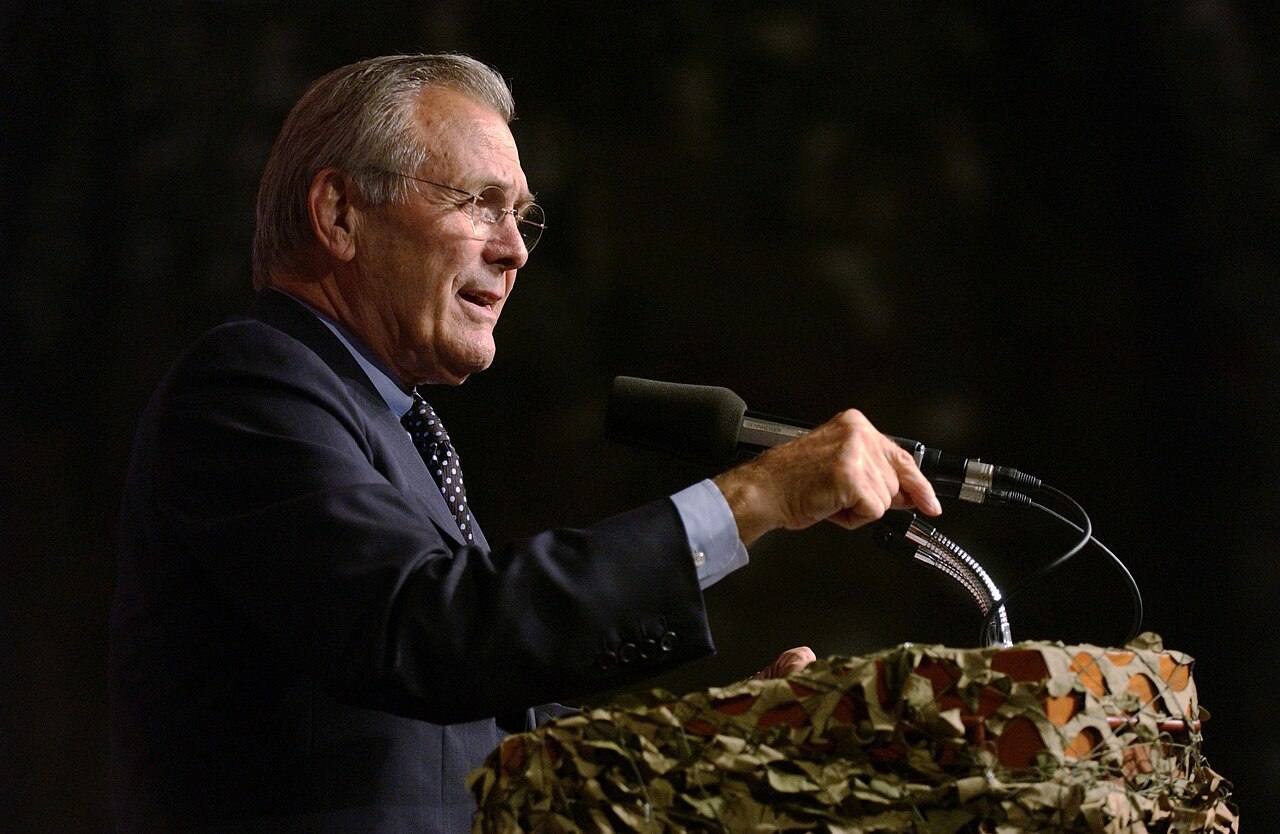
“When the left prioritizes the suppression of offensive speech, it compromises the very values it seeks to uphold.”
For instance, the rise of political correctness has led to an environment where individuals may self-censor out of fear of backlash. While the intention is to create a more respectful discourse, the outcome can stifle authentic dialogue and dissenting opinions. This curtailment of free speech, even if well-intentioned, can ultimately harm the progressive agenda by alienating potential allies and reinforcing the very divisions they seek to dismantle.
Incentives on the Right
Conversely, the right often uses free speech as a rallying cry against perceived liberal overreach. In this context, it is not unusual to see conservatives defending the speech of those who espouse extreme or even hateful viewpoints under the banner of free expression. This approach can lead to an environment where offensive rhetoric is normalized, and the very essence of constructive dialogue is compromised.
“The right's defense of free speech can sometimes serve as a facade for perpetuating harmful ideologies.”
Moreover, the right's emphasis on unfettered speech can obscure the need for responsibility and accountability. While all voices deserve a platform, that does not mean every opinion is equally valid or deserving of respect. The challenge lies in balancing the right to speak freely with the imperative to foster a civil society, where discourse is grounded in respect for all individuals, regardless of their beliefs.
The Middle Ground
The polarization of free speech discourse is not merely an issue of ideology; it is a symptom of a larger cultural battle. Both parties have incentives to manipulate the narrative around free speech to serve their interests, often at the expense of genuine dialogue. What is needed is a commitment to uphold the principle of free expression while also recognizing the importance of constructive engagement.
As we move forward, it is imperative for individuals on both sides of the aisle to recognize the value of open dialogue. The responsibility lies not only with politicians and activists but also with everyday citizens who must engage in discourse with respect and an openness to differing viewpoints. By fostering an environment where a diversity of opinions can coexist, we can create a more robust democratic society.
Conclusion
In a time of heightened political tension, the discourse surrounding free speech is critical. Both the left and the right have their incentives that shape their stances on this foundational issue. Moving beyond partisan lines to embrace a more nuanced understanding of free expression will not only benefit our political landscape but will also enrich our collective dialogue as a nation. Only through such commitment can we hope to navigate the challenges that lie ahead while truly honoring the spirit of free speech.
✦ ✦ ✦