From the file. Written for the paper dated July 2009. Opened in the public stacks July 14, 2026.
As discussions swirl around healthcare reform and workplace safety, the issue of workplace injury often gets overshadowed by political posturing and sensational headlines. In July 2009, as both sides of the aisle vie for public support, the voices of those injured on the job are too often drowned out.
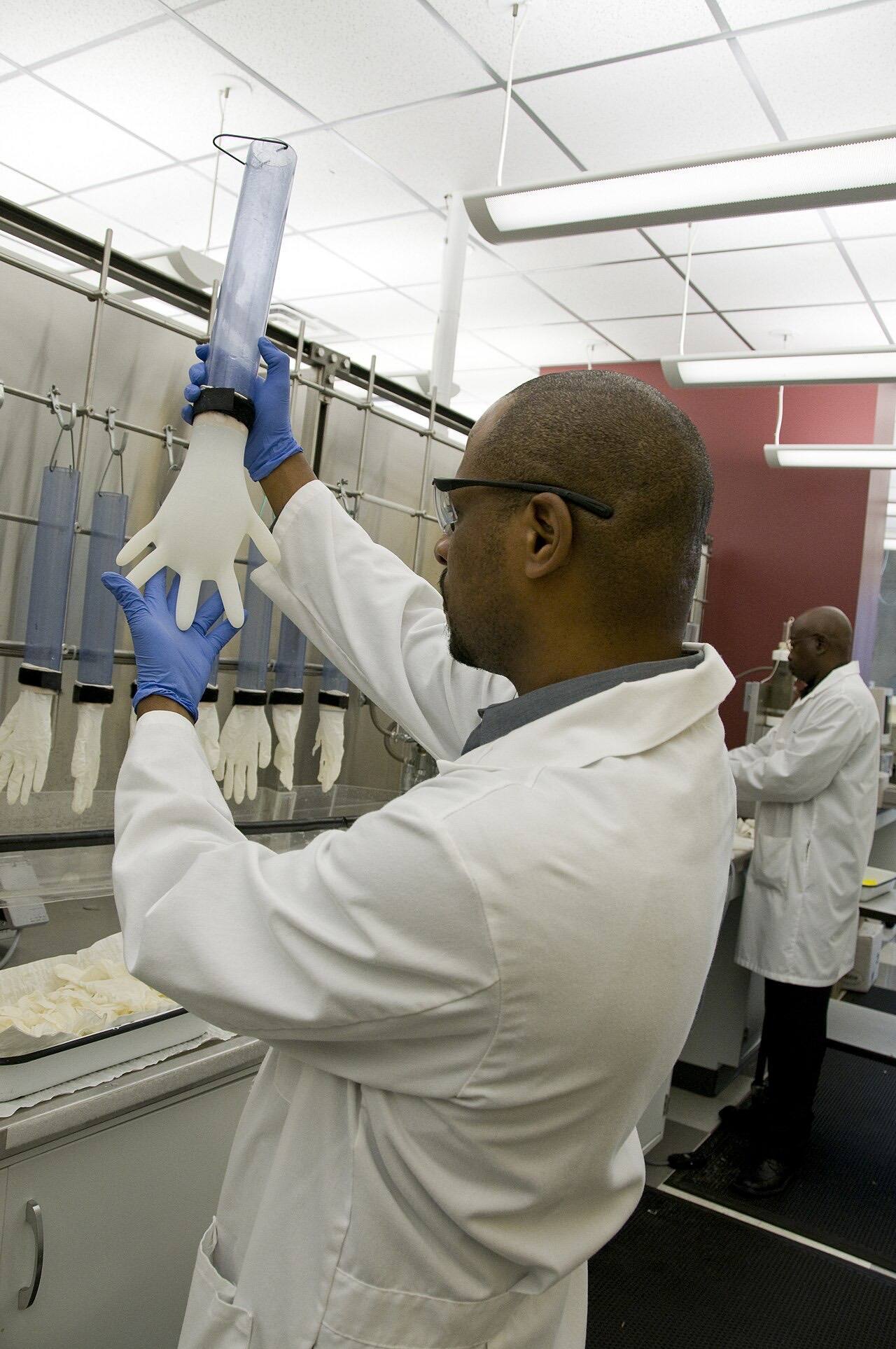
The Reality of Workplace Injuries
Every year, millions of American workers face injuries while performing their duties. According to the Bureau of Labor Statistics, there were nearly 3 million nonfatal workplace injuries and illnesses reported by private industry employers in 2007 alone. Yet, the narratives surrounding these incidents rarely delve into the complexities and consequences that extend beyond the numbers.
In the wake of the economic downturn, both political parties are eager to claim the mantle of worker protection. However, the reality is that while politicians debate the merits of union protections and employer liabilities, workers suffer in silence, left to navigate a system that frequently prioritizes profits over people.
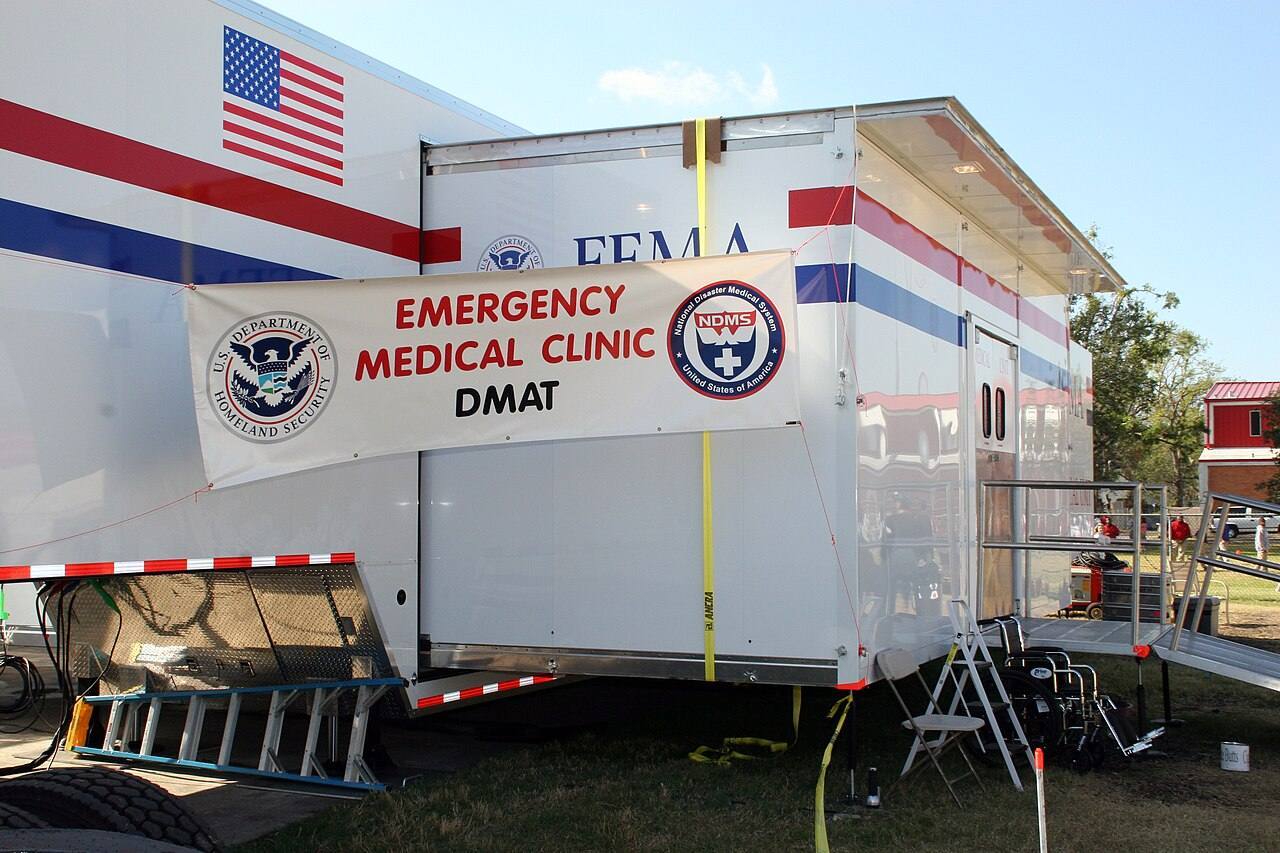
"The system often prioritizes profits over people."
Left and Right: A Tale of Two Extremes
On the left, the narrative has shifted toward government intervention as the ultimate solution. Proponents argue that increased regulation and oversight will protect workers from unsafe environments. This perspective, while well-intentioned, can sometimes veer into the territory of over-regulation, where the burden of compliance stifles small businesses and creates an adversarial climate. Are we truly helping workers if we inadvertently jeopardize their jobs by imposing excessive regulations?
Conversely, the right champions the free market as the panacea for workplace safety issues. They argue that businesses should be allowed to self-regulate and that competition will naturally lead to safer working conditions. However, this perspective overlooks the reality that profit margins often dictate decisions made by employers, and without stringent oversight, workers may be left exposed to unnecessary risks. The unregulated environment can lead to a race to the bottom, where safety measures are the first casualty in the quest for higher profits.
What Gets Left Out
Amidst the cacophony of partisan rhetoric, the experiences of injured workers frequently get left out of the conversation. Workers’ compensation systems vary significantly from state to state, often leaving employees confused about their rights and entitlements. A common thread among injured workers is the struggle to understand the complicated claims process, which can feel like navigating a labyrinth designed to deter claims rather than facilitate recovery.
Moreover, many injured workers find themselves grappling with the psychological aftermath of workplace injuries. The physical pain is often accompanied by emotional distress, anxiety, and a sense of isolation. The stigma surrounding workplace injuries can leave workers feeling marginalized, as if they are a burden rather than valued employees. The lack of support systems in workplaces to address mental health issues exacerbates this problem, leaving many to fend for themselves.
Bridging the Divide
Instead of allowing partisan divides to dictate the narrative surrounding workplace injuries, it is essential for both sides to come together to address the real issues at hand. Collaboration between lawmakers, business owners, and worker advocates is crucial to finding solutions that protect workers while also considering the needs of businesses.
Policymakers should focus on developing comprehensive safety programs that take into account the unique challenges faced by various industries. This includes providing resources for training and education on workplace safety, as well as fostering an environment where employees can report hazards without fear of retribution. By investing in prevention, we can help to reduce the incidence of workplace injuries and create a culture of safety.
Conclusion
As the debate over workplace safety continues to unfold, it is critical that we listen to the experiences of those affected. Both sides of the political spectrum must recognize that the solutions we seek cannot come at the expense of worker welfare. The time has come to move beyond partisan excesses and focus on what truly matters: the health and safety of American workers.
✦ ✦ ✦