From the file. Written for the paper dated July 2009. Opened in the public stacks July 14, 2026.
The looming crisis of pension shortfalls has taken center stage in discussions among policymakers and financial analysts. However, the critical nuances often get overshadowed by the partisan bickering that dominates the conversation.
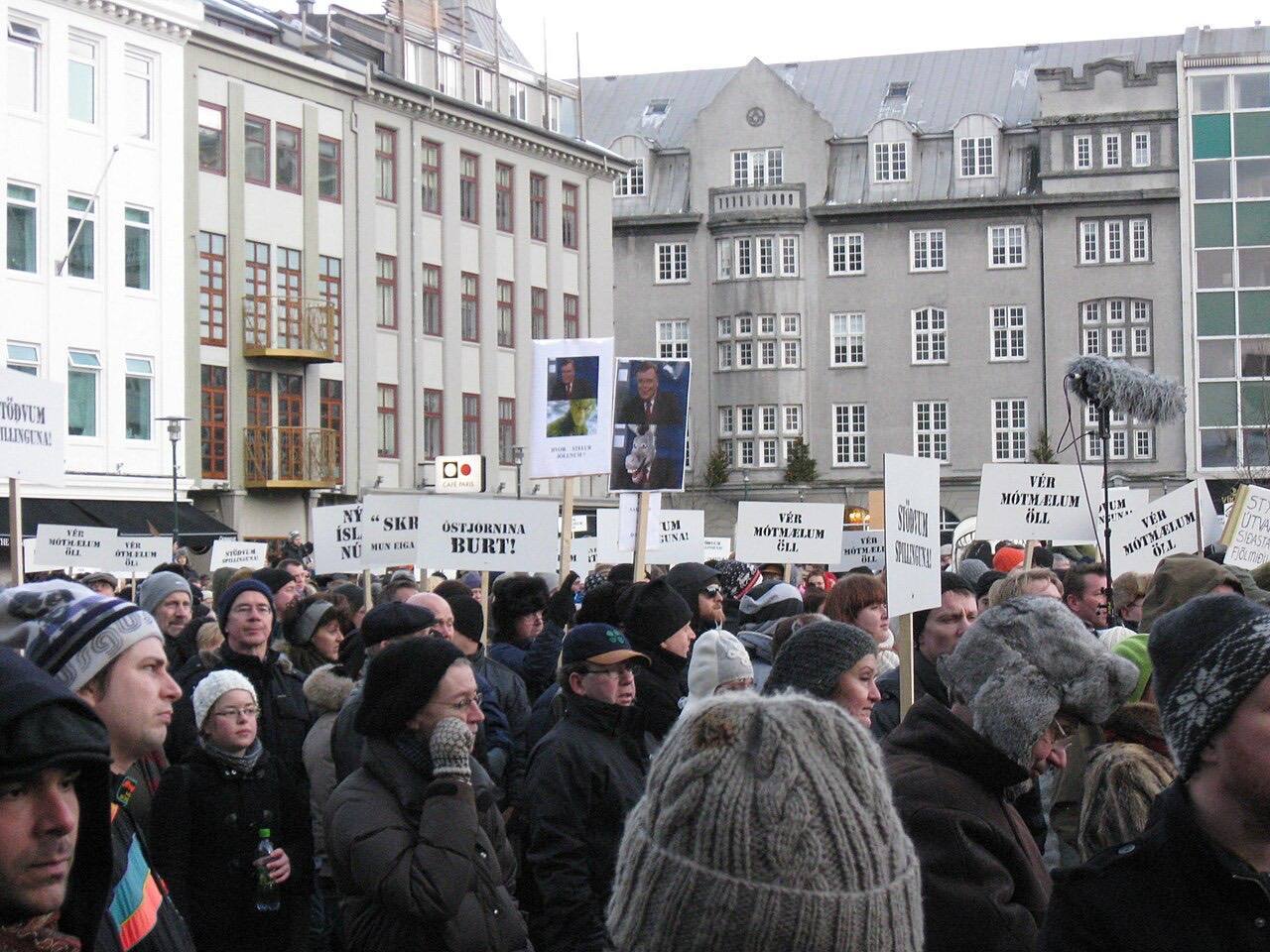
The Numbers Game
Pension plans across the country are facing significant funding gaps, with estimates suggesting that public and private pension funds are underfunded by trillions of dollars. The primary focus tends to be on the sheer scale of this shortfall, but what is frequently left out of the briefings is the underlying complexity of the issue. The lack of transparency in how pensions are managed, the impact of market fluctuations, and the demographic shifts that influence retirement funding are often glossed over in favor of sensational headlines.
"The pension crisis is not just about numbers; it is about the people relying on these funds for their retirement."
The Political Football
In a landscape where the left and right are quick to point fingers, the pension shortfall has become a political football. On one side, some progressives argue that corporate greed and mismanagement are to blame for the underfunding of pensions. Their calls for stricter regulations and increased oversight are commendable but often miss the mark by failing to address the broader economic factors at play.
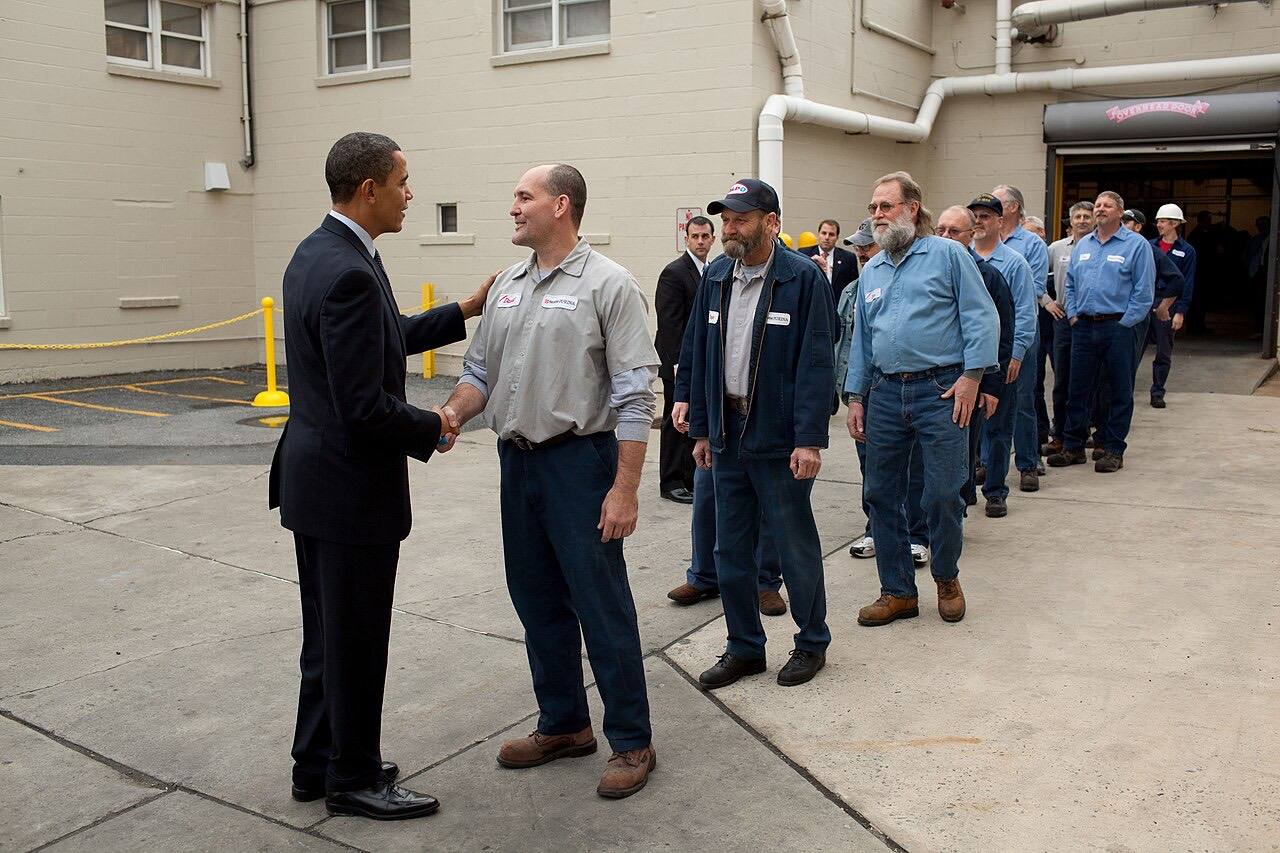
On the other side, conservatives often suggest that the solution lies in privatization and deregulation, promoting a free-market approach that overlooks the realities faced by many workers who depend on these pensions for their livelihood. This approach can lead to further instability in the very systems designed to protect retirees, and it risks exacerbating the crisis.
What Gets Left Out
In the rush to assign blame, essential elements of the pension crisis are often left out of the discussion. For instance, the impact of longevity on pension funding is a critical factor that is frequently ignored. People are living longer, which means pensions must stretch further to cover an extended retirement period.
Moreover, discussions around pension shortfalls often fail to consider the role of investment strategies that pension funds employ. Many funds have shifted towards riskier investments in search of higher returns, leading to both potential gains and substantial losses. This volatility can directly affect the stability of pensions, yet it rarely receives the scrutiny it deserves in mainstream debates.
The Human Element
What is often lost in the analysis is the human element of the pension crisis. The individuals affected by these shortfalls are not just statistics; they are teachers, firefighters, and factory workers who dedicated their lives to their professions, expecting a secure retirement in return. The emotional toll of uncertainty can have profound effects on these workers and their families, yet the conversation tends to remain abstract.
"We need to remember that these pensions represent the hard work and sacrifices of countless Americans."
Seeking Common Ground
To move towards a solution, it is essential that both sides of the aisle come together to find common ground. This includes acknowledging the complexities of the pension landscape and the multitude of factors contributing to the shortfall. A more nuanced conversation that integrates perspectives from both sides, focusing on the actual implications for workers and their families, can pave the way for viable solutions.
Furthermore, there must be a commitment to enhance transparency in pension fund management. Policymakers should prioritize regulations that ensure funds are managed responsibly and that stakeholders are kept informed about the status of their pensions. This is vital not only for restoring trust but also for fostering a culture of accountability.
The Path Forward
As we navigate the murky waters of pension funding, it is crucial to keep the conversation focused on solutions rather than blame. Both sides must recognize the importance of a stable retirement system that benefits all workers, regardless of political affiliation. By working collaboratively, we can address the challenges of pension shortfalls and ensure that the promise of retirement remains intact for future generations.
✦ ✦ ✦