From the file. Written for the paper dated May 2009. Opened in the public stacks July 14, 2026.
In the complex world of global commerce, shipping lanes have become the arteries through which the lifeblood of trade flows. As we delve into the current state of these vital routes, it is clear that certainty is the currency that is selling briskly.
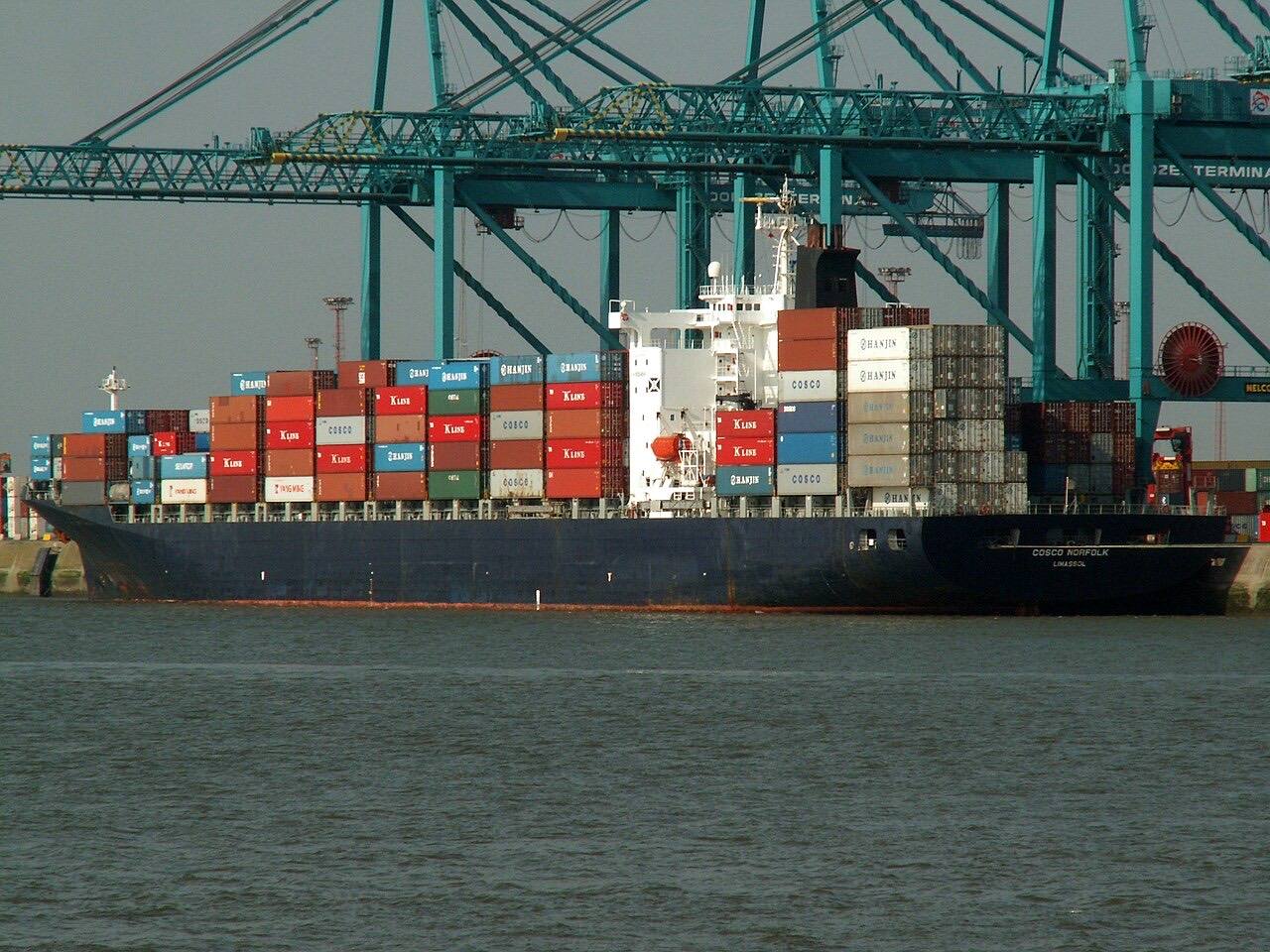
The Landscape of Shipping Lanes
The shipping industry is experiencing a pivotal moment in 2009. With the economic downturn gripping many nations, businesses are looking for stability in their supply chains and shipping routes. This has heightened the demand for reliable shipping lanes, where predictability reigns supreme. Companies are seeking to minimize risks associated with delays, piracy, and geopolitical tensions. In this environment, the assurance of timely deliveries can often outweigh cost considerations.
Shipping lanes are not merely lines on a map; they are the conduits of global trade that enable goods to traverse vast distances. From the crowded waters of the South China Sea to the bottlenecks of the Suez Canal, these routes are essential for transporting everything from electronics to oil. However, the volatility of the global market has made businesses wary of the uncertainties that can arise, prompting a shift in focus towards more secure and established pathways.

The Push for Certainty
On the left, there is a growing call for increased regulation and oversight within the shipping industry. Advocates argue that stricter controls can lead to safer shipping practices and better working conditions for seafarers. They point to the alarming rise in piracy off the coast of Somalia as a pressing issue that necessitates immediate government intervention. This perspective often emphasizes the need for a collective response to protect not just cargo, but also the lives of those working on the front lines of shipping.
Conversely, the right wing often champions the notion of free markets and deregulation. Many argue that too much government intervention stifles competition and innovation within the shipping sector. They contend that market forces should dictate the flow of trade, suggesting that businesses should be left to navigate the complexities of shipping lanes without excessive oversight. This libertarian approach has its own set of risks and rewards, as companies are encouraged to strike out on their own but may also find themselves unprepared for unforeseen challenges.
"In an age of uncertainty, businesses are gravitating towards shipping options that offer predictability as their primary value."
The Middle Ground
Both sides of the political spectrum have valid points, but the truth lies somewhere in between. The need for certainty does not necessarily require heavy-handed regulation, nor does it pursue an entirely laissez-faire approach. A balanced solution could involve collaborative efforts between the government and the shipping industry to create frameworks for safer routes while still fostering innovation and efficiency.
For example, initiatives could be launched to enhance maritime security through partnerships between private shipping companies and government agencies. Sharing intelligence on threats and coordinating naval patrols could mitigate risks without compromising the fundamental principles of free trade. Such collaborative efforts would allow businesses to operate with greater confidence, knowing that their interests are being safeguarded.
The Role of Technology
Interestingly, technology is also playing a crucial role in shaping the future of shipping lanes. Advancements in navigation systems and tracking technologies are enabling companies to monitor their shipments in real-time, reducing the risk of delays and miscommunications. The ability to reroute shipments based on weather patterns or geopolitical developments can provide a significant edge, allowing businesses to adapt quickly to changing circumstances.
However, as we embrace these technological advancements, it is imperative that we also consider the implications of over-reliance on technology. Cybersecurity threats are on the rise, and the shipping industry must remain vigilant against potential attacks that could cripple operations. Striking a balance between leveraging technology for efficiency and ensuring robust security measures will be essential in navigating the complexities of modern shipping lanes.
Looking Ahead
The future of shipping lanes will undoubtedly be shaped by the interplay of political ideologies, economic pressures, and technological advancements. As businesses grapple with the realities of an uncertain global landscape, the demand for certainty will remain a driving force in the industry. Finding a way to balance the need for both regulation and innovation may be the key to navigating these waters effectively.
Conclusion
In conclusion, the complexities surrounding shipping lanes demand a nuanced approach that transcends partisan divides. As businesses seek certainty in an unpredictable world, the call for collaborative solutions that incorporate both security and innovation will be paramount. The shipping industry stands at a crossroads, and how it navigates these challenges will shape the future of global trade.
✦ ✦ ✦