From the file. Written for the paper dated May 2009. Opened in the public stacks July 14, 2026.
In the midst of economic uncertainty, the labor strike has emerged as a potent symbol of both worker solidarity and the deep divisions within the American political landscape. As May 2009 unfolds, the stakes are high, with labor unions mobilizing in ways that reflect broader ideological battles.
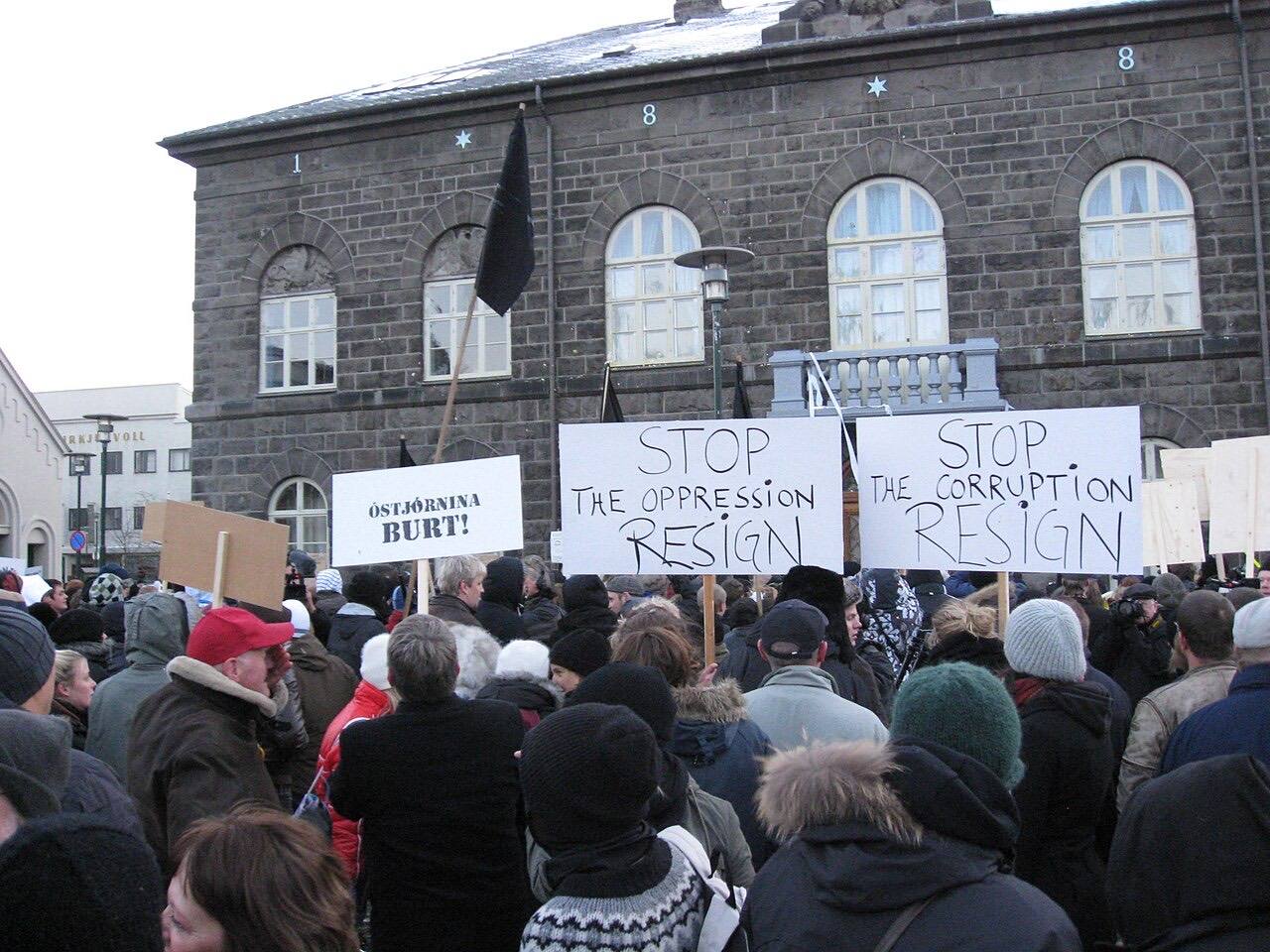
The Striking Landscape
Across the nation, labor strikes are popping up in various sectors, each grounded in the unique grievances of workers. From teachers advocating for better funding in schools to factory workers demanding fair wages and safe conditions, the spectrum of issues is as diverse as the workforce itself. Yet, what these strikes share is a growing frustration with the status quo, a sentiment that is palpable in both boardrooms and break rooms.
The backdrop to these labor actions is a struggling economy, where uncertainty reigns. Unemployment rates have crept up, and many workers feel as though their jobs are hanging by a thread. In this climate, certainty has become a hot commodity, driving workers to take a stand. Labor strikes are not just about wages or benefits; they reflect a deep-seated desire for job security and respect.
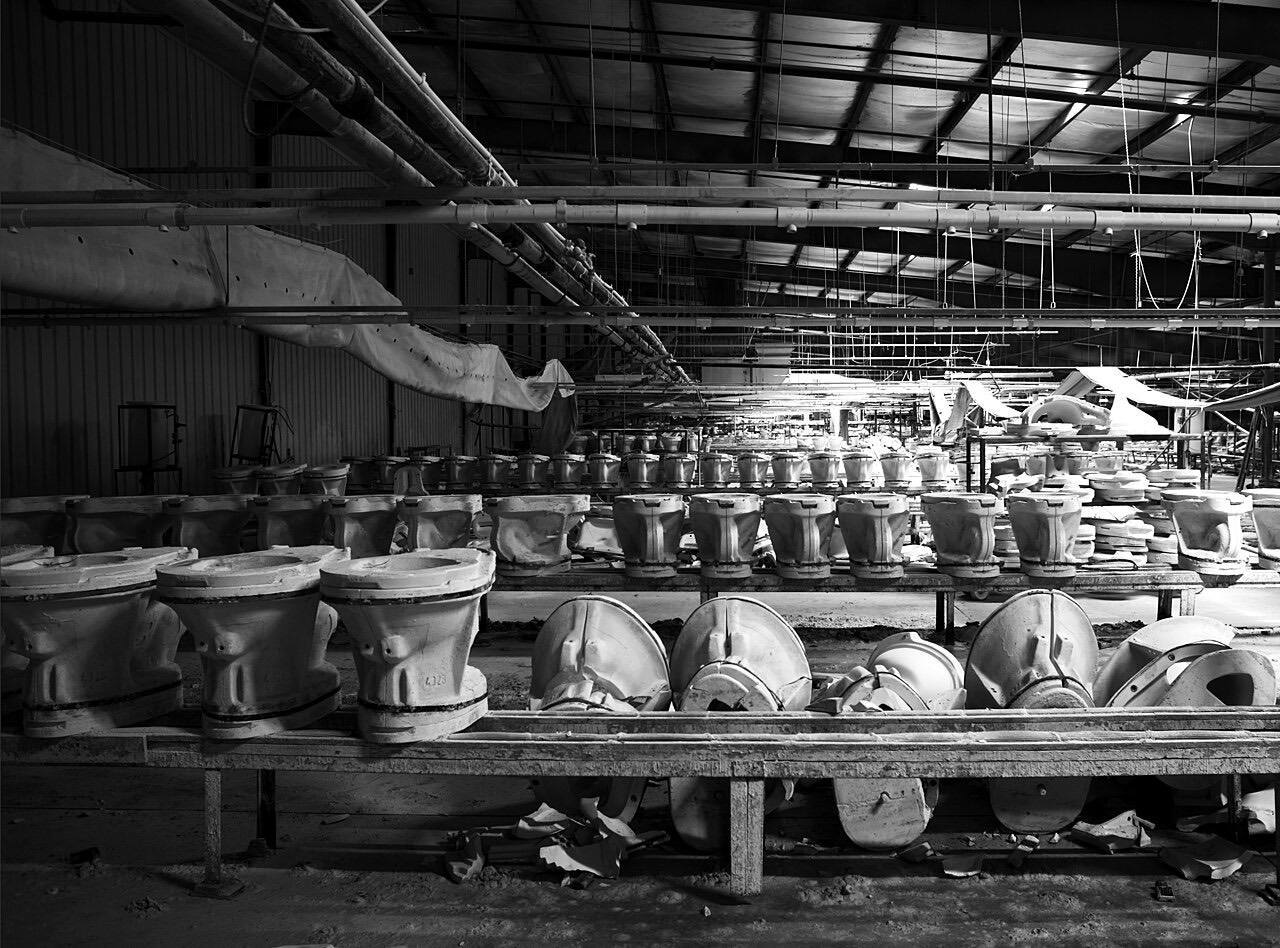
Worker Solidarity vs. Political Polarization
While worker solidarity seems to be gaining momentum, it exists in stark contrast to the political polarization that characterizes contemporary America. On one hand, labor unions are rallying their members and garnering public support for their causes. On the other hand, right-wing commentators and politicians are quick to deride these movements, framing them as disruptive and counterproductive. This duality complicates the narrative surrounding labor strikes.
“Labor strikes are not just about wages or benefits; they reflect a deep-seated desire for job security and respect.”
Critics on the left, meanwhile, can sometimes oversimplify the issues at hand, painting all business leaders as greedy and out of touch with the working class. This broad-brush approach fails to recognize the complexities of the economy and the fact that not all employers are malicious profit-seekers. Many business owners genuinely struggle to keep their operations afloat in a tumultuous market. The demonization of business can alienate potential allies who might otherwise support workers’ rights.
The Economy's Role in Labor Actions
Economic factors play a crucial role in these labor actions. As industries adapt or shrink in response to market demands, layoffs and wage cuts become more common. Workers are increasingly aware of their rights and are willing to take action when those rights are threatened. The question remains: will these strikes lead to meaningful change, or will they be met with stiff resistance from employers and policymakers alike?
Moreover, the current administration’s focus on economic recovery has created a tense environment. Some workers fear that their calls for better conditions may be overshadowed by larger economic agendas. The push for bipartisanship often sidelines the very issues that labor unions champion - issues that directly affect the livelihoods of millions of Americans.
The Future of Labor Strikes
In this charged atmosphere, labor strikes may serve as a barometer for the future of American labor relations. Will these movements inspire a renewed emphasis on collective bargaining and labor rights, or will they be dismissed as mere noise in the grand scheme of economic recovery? Workers are looking for certainty in an uncertain world, and their willingness to strike suggests that they are hungry for change.
As we move deeper into 2009, it is clear that labor strikes will continue to shape the conversation surrounding workers’ rights and economic justice. The challenge lies in navigating the treacherous waters of political rhetoric and economic realities. Both sides of the aisle must recognize that the struggles of workers are legitimate and deserving of attention, regardless of their ideological leanings.
Conclusion
In conclusion, the labor strike without a team jersey symbolizes more than just a tactical maneuver in labor negotiations; it represents a broader struggle for dignity and respect in the workplace. As workers band together in the face of adversity, the question remains whether their voices will resonate loud enough to influence the political and economic landscapes that shape their lives.
✦ ✦ ✦