From the file. Written for the paper dated April 2009. Opened in the public stacks July 14, 2026.
In a political landscape marked by deep divisions, the phenomenon of selective memory has become a hallmark of both the left and the right. As each side clings to its narrative, the cost of certainty may prove to be more damaging than the conflicts themselves.
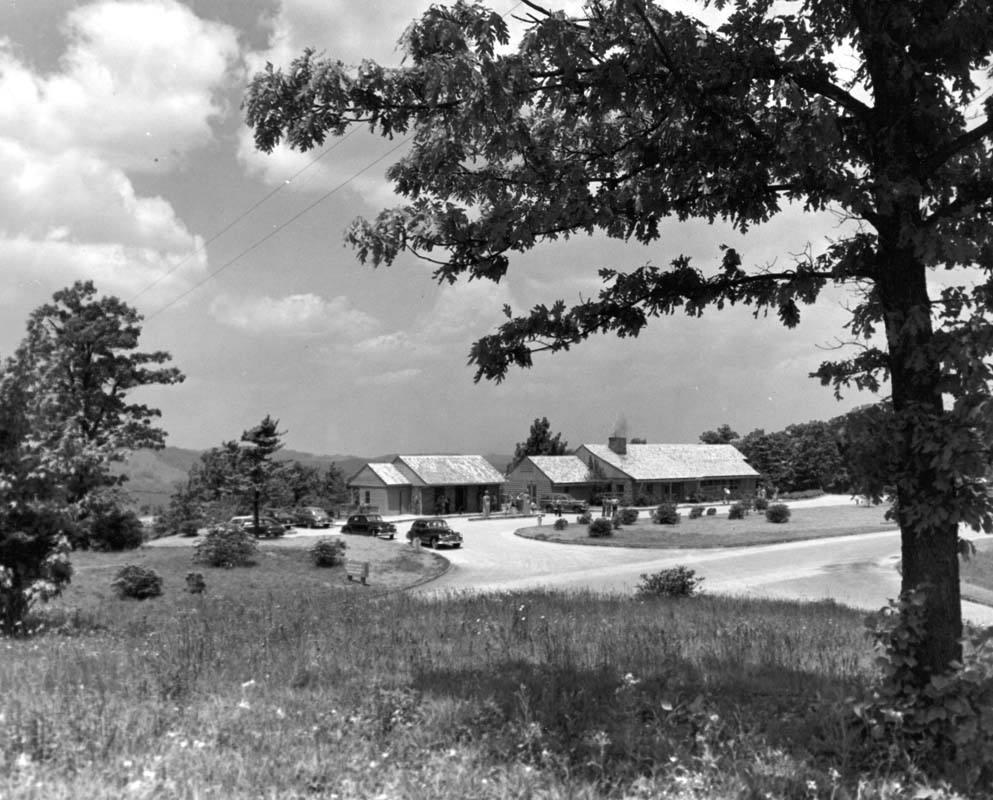
The Left's Nostalgic Lens
The left often romanticizes the achievements of past progressive movements while glossing over their failures. This selective memory allows for a comforting narrative that paints a picture of continuous progress, yet it fails to address the complexities of governance and the nuances of historical events. For example, the New Deal is frequently cited as a turning point in American history, yet many forget the significant social and economic issues that persisted even after its implementation. Such simplifications can lead to a misguided sense of certainty about the effectiveness of government intervention in economic crises.
The Right's Revisionist History
On the opposite end, the right’s tendency to idealize the past and paint government as the root of all problems ignores the reality that many of the policies they championed have not always produced the desired outcomes. The reverence for Ronald Reagan's presidency often overshadows the economic challenges that characterized his administration, including the growing national debt and income inequality. This selective memory fosters a belief that a return to conservative policies will invariably restore American greatness, overlooking the complexities of modern governance.
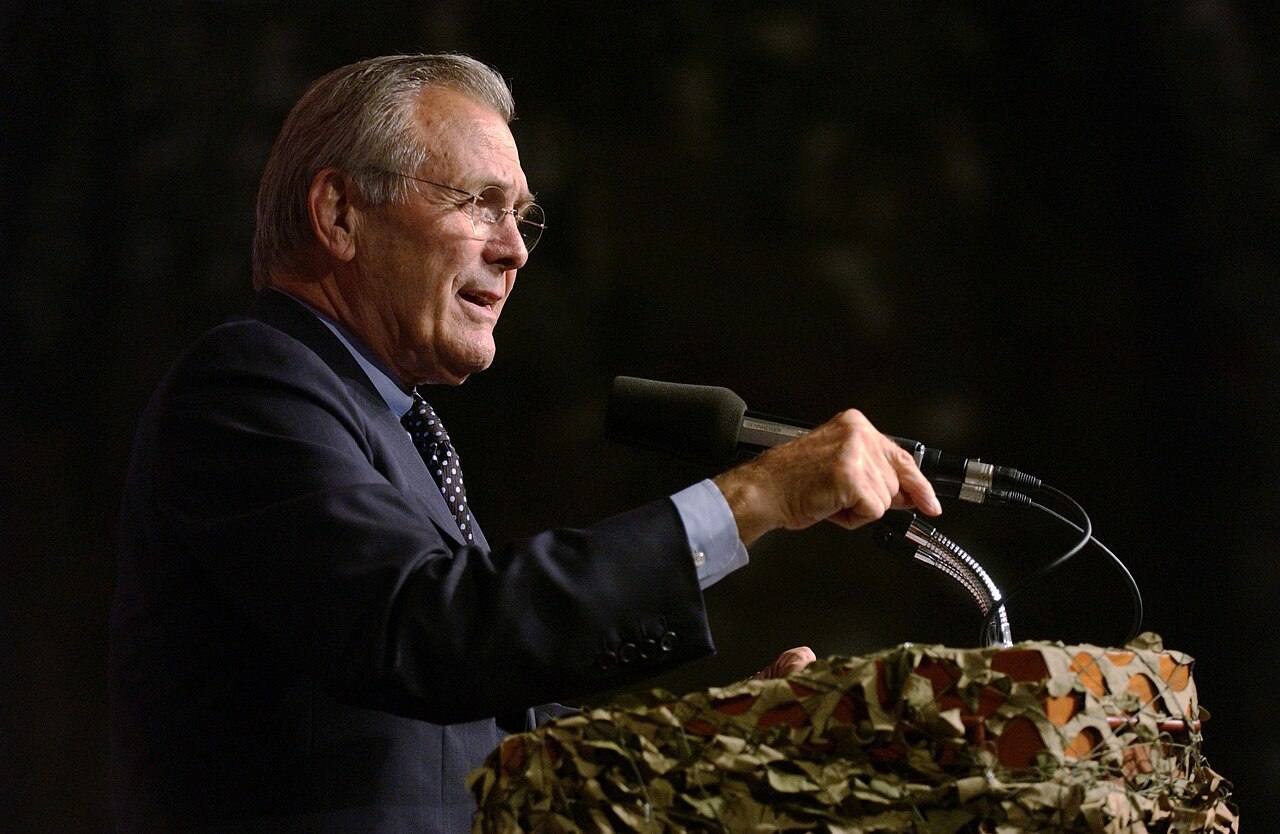
“The cost of certainty may prove to be more damaging than the conflicts themselves.”
The Dangers of Certainty
The danger lies in the unwavering belief that one side holds the ultimate truth. This certainty can lead to a hostile political environment where compromise becomes nearly impossible, as both parties retreat to their respective echo chambers. The result is a stagnation of ideas and policies, with the public left to navigate a system that seems more focused on ideological purity than on effective governance.
Seeking a Middle Ground
In the current climate, it is crucial for citizens to foster a culture of inquiry rather than one of certainty. This means recognizing the valid points made by both sides and acknowledging that complex issues often require nuanced solutions. Embracing uncertainty can lead to more informed discussions and, ultimately, better policy decisions. It is time for Americans to engage in constructive dialogue, moving beyond the confines of partisan narratives.
The Role of Media
The media has a significant role in perpetuating this cycle of selective memory. News outlets often cater to specific audiences, reinforcing existing beliefs instead of challenging them. This practice not only skews public perception but also contributes to a fragmented society where individuals are more inclined to dismiss opposing viewpoints as falsehoods. The responsibility lies with both consumers and producers of news to demand more balanced and comprehensive reporting.
Conclusion: A Call to Action
As we navigate this politically charged atmosphere, it is essential to recognize that certainty can be a double-edged sword. While it can provide comfort in turbulent times, it can also hinder our ability to evolve as a society. By embracing uncertainty and fostering dialogue, we can work toward a more balanced and effective political discourse, one that transcends the limits of partisan memory.
✦ ✦ ✦