From the file. Written for the paper dated March 2009. Opened in the public stacks July 14, 2026.
In an era where health care has become a battleground for political posturing, it's time to take a closer look at the public clinics that serve as the backbone of community health. Despite their critical role, these clinics often operate without the necessary oversight and support, resulting in failures that affect the most vulnerable populations.
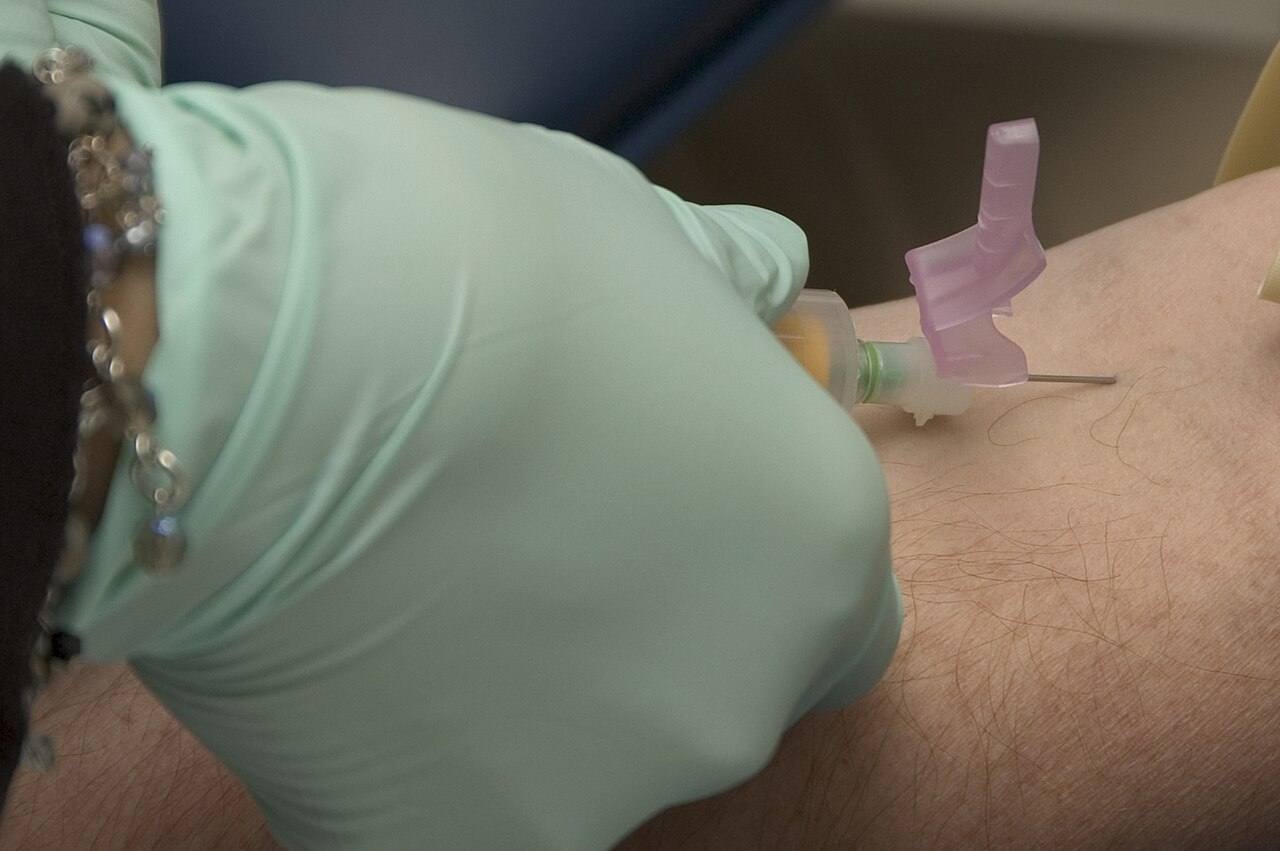
The State of Public Clinics
Public clinics are meant to be a sanctuary for those who cannot afford private health care, offering essential services such as vaccinations, preventive care, and treatment for chronic conditions. However, a closer examination reveals that these institutions are often underfunded and overburdened, leading to a quiet failure in the system. As the nation grapples with the implications of health care reform, the plight of public clinics has been overshadowed by grandstanding on both sides of the political spectrum.
On one hand, the left advocates for expansive health care reform, championing universal coverage and increased funding for public health initiatives. While these goals are noble, the reality is that many public clinics struggle with basic operational costs. Insufficient funding means that many facilities are unable to hire enough staff or maintain adequate supplies. Patients often face long wait times and limited access to essential services.
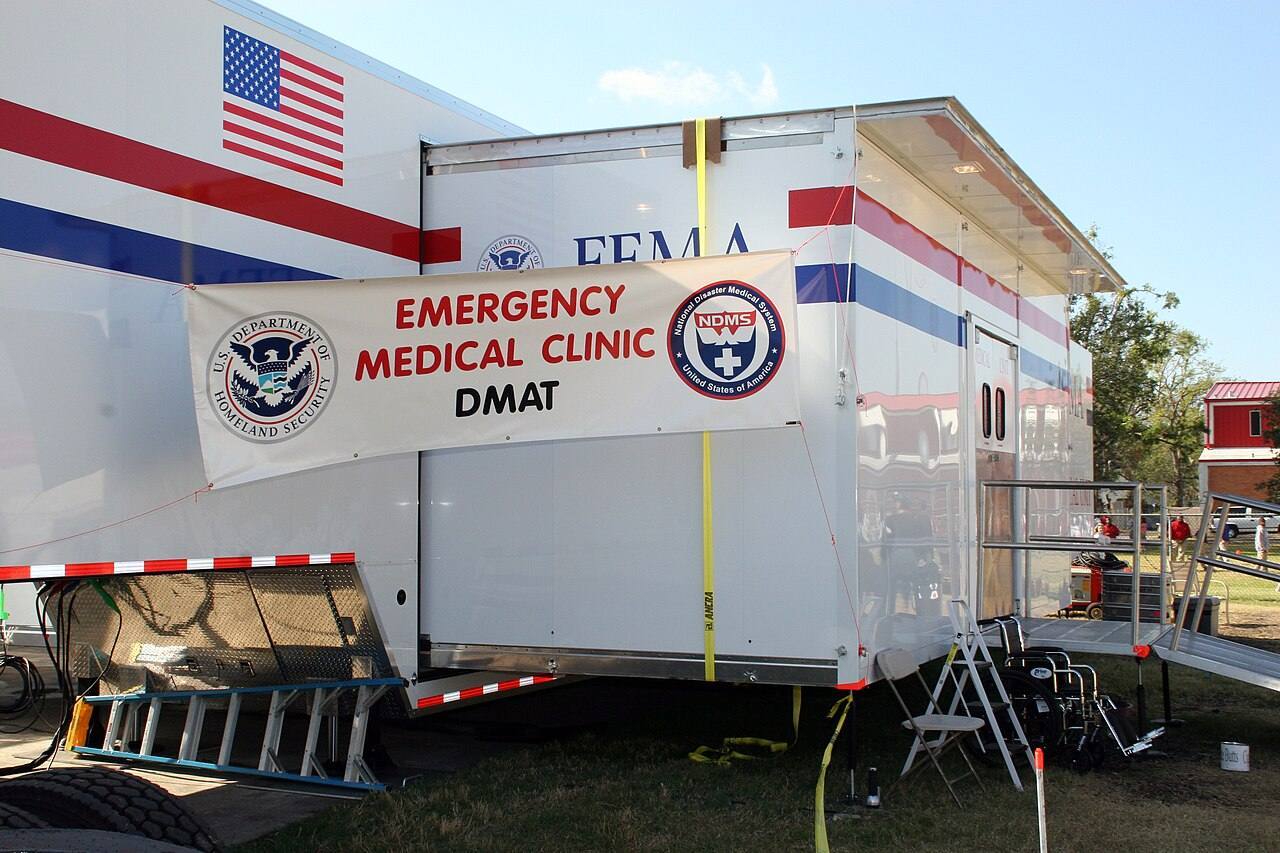
Conversely, the right often calls for reduced government spending and increased privatization in health care. This approach, however, ignores the critical role that public clinics play in providing care to underserved communities. The push for privatization can lead to the erosion of these vital services, further alienating those who rely on them. As both sides dig in their heels, the public clinics slip further into neglect.
Oversight and Accountability
One of the major issues plaguing public clinics is the lack of oversight and accountability. Health care is a complex system, and the responsibility for ensuring that clinics operate effectively often falls through the cracks. Many clinics are run by local agencies that may not have the expertise or resources to adequately monitor their operations. This can lead to mismanagement, inefficiency, and a failure to meet the needs of the community.
"Public clinics are often the first line of defense against health crises, yet they are treated like an afterthought in policy discussions."
Moreover, the funding mechanisms for these clinics can be convoluted, leaving them vulnerable to budget cuts and shifting political priorities. When political leaders focus on flashy initiatives and ignore the basics that keep public clinics running, the consequences can be dire. Health outcomes in communities that rely on these clinics often suffer as a result.
The Community's Voice
Community members are often the first to notice the impact of these failures. Many patients express frustration with the long wait times and limited services available at their local clinics. Anecdotal evidence suggests that patients are increasingly seeking care in emergency rooms, which is a costly and inefficient alternative. This shift not only burdens hospital systems but also indicates a failure of the primary care system that public clinics are supposed to provide.
Advocates for health care reform need to listen to these voices. It's essential to prioritize the needs of patients who rely on public clinics, rather than getting lost in the ideological battles that have come to characterize health care discussions. A more pragmatic approach could yield the necessary changes to improve patient outcomes and ensure that public clinics can fulfill their mission.
Potential Solutions
To address the issues facing public clinics, a multi-faceted approach is needed. First, there must be a concerted effort to increase funding for these facilities. This funding should not only cover operational costs but also provide resources for training and hiring qualified staff. Additionally, implementing better oversight mechanisms can help ensure that clinics are held accountable and that they are meeting the needs of their communities.
Furthermore, fostering partnerships between public clinics and private organizations can create a more robust health care ecosystem. By leveraging resources and expertise from both sectors, we can improve access to care and enhance the services offered at public clinics.
The Path Forward
The debate surrounding health care reform must evolve beyond partisan bickering. Instead, it should focus on tangible solutions that prioritize the well-being of the American public. Public clinics are a lifeline for many, and they deserve the support and attention necessary to thrive. By advocating for the needs of these facilities and the communities they serve, we can work towards a healthier future for all.
✦ ✦ ✦