From the file. Written for the paper dated February 2009. Opened in the public stacks July 14, 2026.
As the nation grapples with the complexities of veterans affairs, the backlog of claims has reached a critical juncture. The voices on both sides of the aisle seem to be shouting past one another, leaving veterans caught in the crossfire of political posturing.

Understanding the Backlog
The backlog of veterans' claims has ballooned, with thousands of men and women who served our country waiting months, if not years, for the benefits they are entitled to receive. Recent reports indicate that the Department of Veterans Affairs (VA) is facing a staggering number of unresolved claims, leading to increased frustrations among veterans and their families. But what is the root cause of this delay?
On one hand, advocates for veterans argue that the VA is underfunded and overwhelmed, a sentiment echoed by various veterans' organizations. They assert that the agency is simply unable to keep pace with the growing number of claims, particularly as more veterans return from service in Iraq and Afghanistan. They call for additional resources and personnel to help alleviate the backlog.
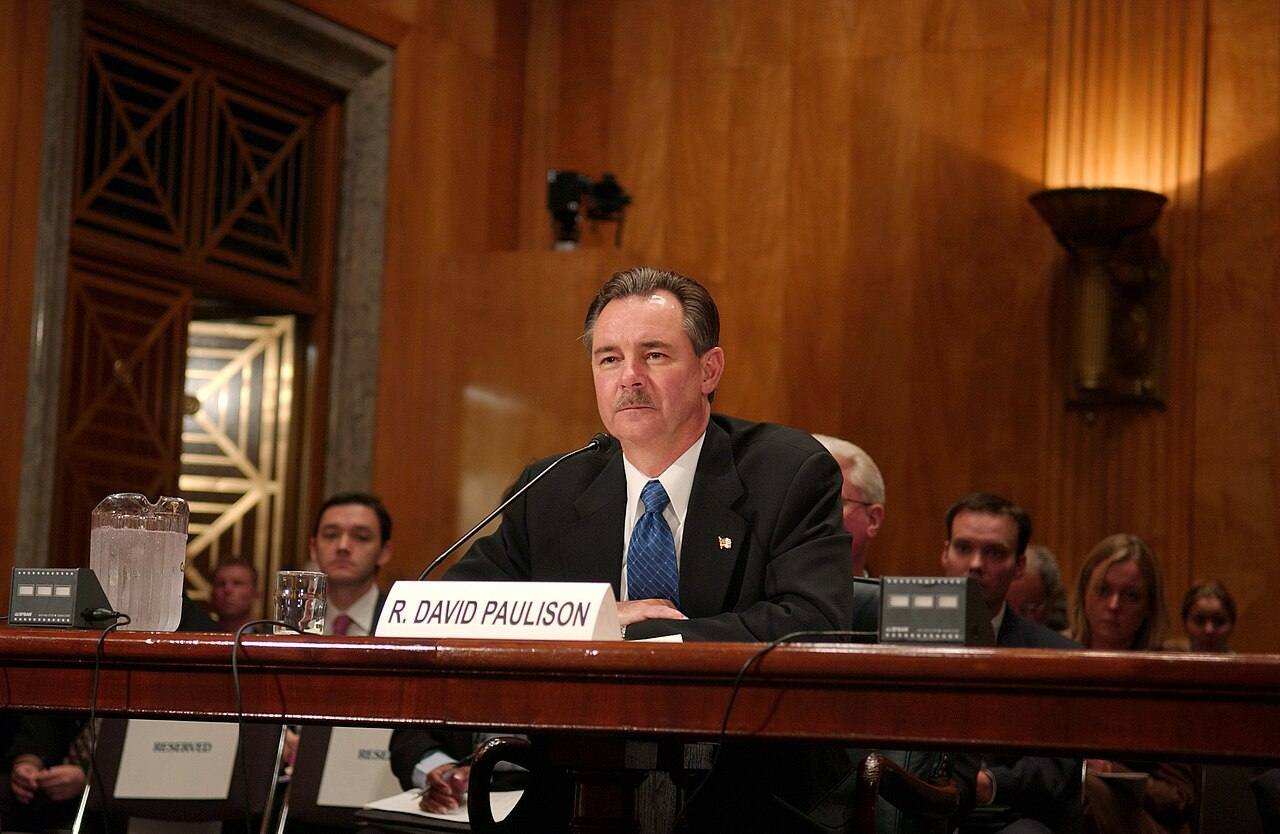
Conversely, critics, particularly from the right, contend that the VA is plagued by inefficiency and mismanagement. They point to the bureaucratic red tape as a key factor contributing to the delays. Some have suggested that the VA needs a complete overhaul to streamline operations and better serve those who have served us.
The Political Divide
“The backlog is a national disgrace that reflects poorly on our commitment to veterans.”
This week, as political leaders convene to discuss solutions, the debate has become increasingly partisan. Democrats have positioned themselves as champions of veterans, emphasizing the need for increased funding and improved services. They argue that Republicans have historically underfunded the VA, leaving it ill-equipped to handle the influx of claims.
On the other side, Republicans have seized on the opportunity to criticize the administration's handling of the VA, claiming that the current leadership lacks the necessary vision to tackle the crisis. They advocate for privatizing certain services, suggesting that competition could lead to better outcomes for veterans. However, this approach raises concerns among those who fear it could undermine the quality of care veterans receive.
A Call for Bipartisan Solutions
While both sides offer valid points, the reality is that the backlog is a complex issue that requires a nuanced approach. The veterans' crisis should not be a political football. Instead, lawmakers must come together to develop a comprehensive strategy that addresses the root causes of the backlog while ensuring timely access to benefits for veterans.
There are several potential avenues for reform. For instance, investing in technology to streamline the claims process could enhance efficiency. Additionally, increasing training for VA staff to handle claims more effectively may reduce the backlog without requiring significant increases in funding. These are just a few examples of how a collaborative effort could lead to meaningful change.
Veterans Deserve Better
Ultimately, the veterans that served this nation deserve better than to be pawns in a political game. They have put their lives on the line, and the least we can do is ensure they receive the benefits they have earned in a timely manner. It is time for our elected officials to put aside their differences and work collaboratively towards a solution.
As we await further developments, it is crucial for citizens to remain engaged and advocate for our veterans. Their plight should not be forgotten amidst the noise of political debates. The urgency of the situation demands immediate action, and it is incumbent upon our leaders to rise to the occasion.
✦ ✦ ✦