From the file. Written for the paper dated February 2009. Opened in the public stacks July 14, 2026.
As the world grapples with the ongoing threat of infectious diseases, the recent discussions surrounding pandemic preparedness have sparked heated debates across the political spectrum. The urgency of the matter, however, demands a more balanced perspective that transcends partisan extremes.

Pandemic Preparedness: A Shared Responsibility
The specter of pandemics looms large, as evidenced by recent outbreaks across the globe. The question of how ready we are to confront such crises has become a rallying point for both sides of the political aisle. On one side, the left emphasizes the need for robust public health systems, universal healthcare access, and international cooperation. Conversely, the right often advocates for personal responsibility, market-driven solutions, and a reduction in government intervention.
While both positions possess merit, they also exhibit excesses that threaten to derail meaningful progress. The left's insistence on expansive government programs can sometimes overshadow the role of individual accountability in personal health choices. Meanwhile, the right's dismissal of public health initiatives in favor of market solutions can endanger the very fabric of community health, especially for the most vulnerable populations.
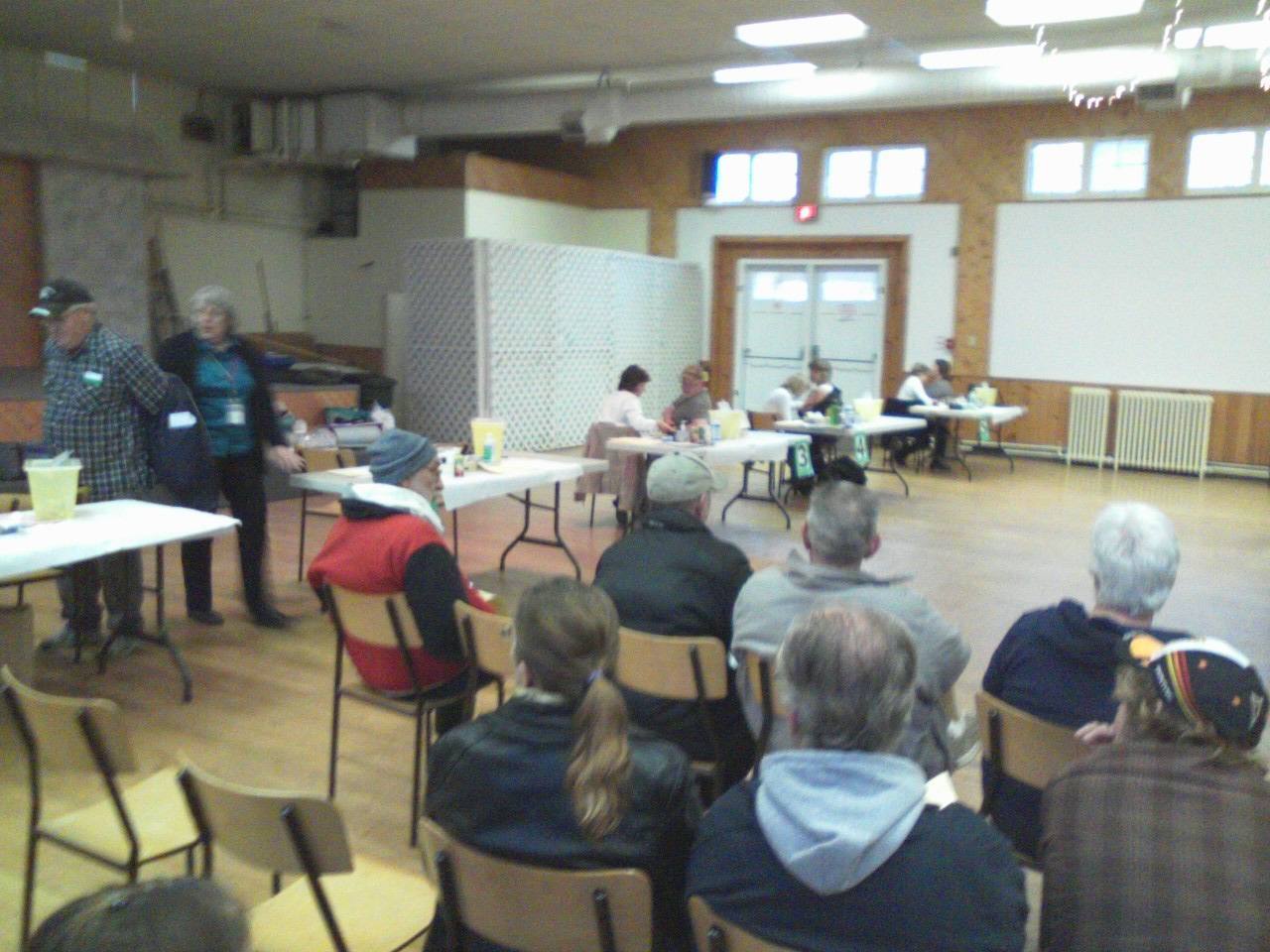
"We must bridge the partisan divide to create a comprehensive strategy for pandemic preparedness."
The Perils of Polarization
In the current climate, the rhetoric surrounding pandemic readiness has intensified, with accusations flying between parties. Some left-leaning advocates argue that the right's reluctance to invest in public health infrastructure is a denial of science. On the other hand, right-wing commentators often portray the left's approach as an overreach of government, infringing upon personal liberties.
This polarization can lead to a detrimental outcome: a failure to implement effective pandemic response strategies that rely on collaboration and a unified vision. It is crucial to recognize that public health is not merely a matter of political ideology; it is a pressing societal issue that requires a concerted effort from all stakeholders.
Evaluating the Current State of Preparedness
As we assess our current state of pandemic preparedness, we must consider both the successes and shortcomings of existing policies. For instance, the establishment of the National Health Security Strategy illustrates a commitment to enhancing our readiness. However, the execution of these strategies often falls short due to lack of funding, coordination, and political will.
Additionally, while advances in medical research and technology have provided us with valuable tools to combat infectious diseases, access to these resources remains uneven. Disparities in healthcare access continue to plague our society, leaving many communities vulnerable in times of crisis. Ensuring equitable access to health services must be a priority, regardless of one’s political affiliation.
Finding Middle Ground
To foster a more effective approach to pandemic readiness, we must seek common ground. This entails embracing a hybrid model that incorporates both public health initiatives and personal responsibility. For instance, while it is essential to advocate for government funding for vaccine research and distribution, it is equally important to encourage individuals to engage in preventive health measures.
Collaboration between public and private sectors can also yield innovative solutions. By harnessing the expertise of pharmaceutical companies and research institutions, we can expedite vaccine development and improve our response to emerging pathogens.
Conclusion: A Call to Action
As we face the real possibility of future pandemics, the time is now to unite in our efforts to enhance our preparedness. By moving beyond the extremes of left and right, we can create a more resilient public health system that protects all citizens. It is imperative that we advocate for policies that prioritize health equity, foster innovation, and promote collaboration.
In doing so, we honor the responsibility we share as a society to safeguard our collective health and wellbeing. The stakes are too high for us to allow political divisions to dictate our response to potential pandemics.
✦ ✦ ✦