From the file. Written for the paper dated January 2009. Opened in the public stacks July 14, 2026.
As the nation celebrates the new administration, the plight of our veterans remains a pressing issue that refuses to wear any team jersey. The backlog at the Department of Veterans Affairs is not just a bureaucratic failure; it is a moral failing that reflects poorly on all of us.
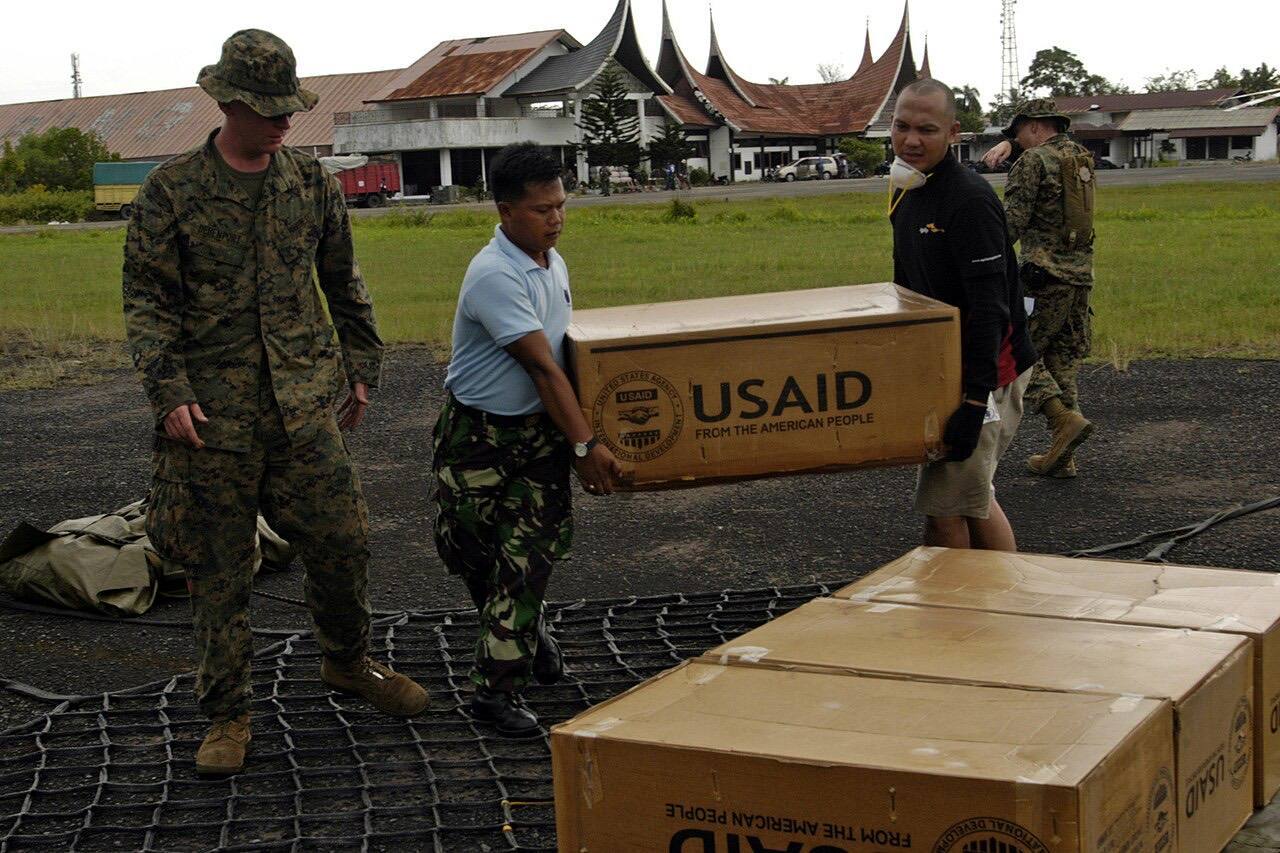
The Growing Crisis
In the wake of two protracted wars in Iraq and Afghanistan, the number of veterans seeking assistance from the Department of Veterans Affairs (VA) has surged dramatically. However, the VA's systems, procedures, and funding have not kept pace with this influx. As a result, veterans face a daunting backlog in claims processing, with many waiting months, if not years, for the benefits they have earned through their service. The ongoing crisis in veterans’ affairs is compounded by a lack of political will to address it adequately, resulting in a failure to prioritize the needs of those who have sacrificed so much for their country.
“This backlog is not just numbers - these are lives affected by a system that is failing them.”
Critics from both sides of the political aisle have highlighted the inadequacies of the VA, yet solutions remain elusive. The left often pushes for increased funding and expansion of services, while the right advocates for privatization and reform. However, both sides seem to overlook the fact that veterans are not a political football to be tossed around for partisan gain. They are real people with real needs, and the solutions must come from a place of genuine concern and commitment to improving their lives.
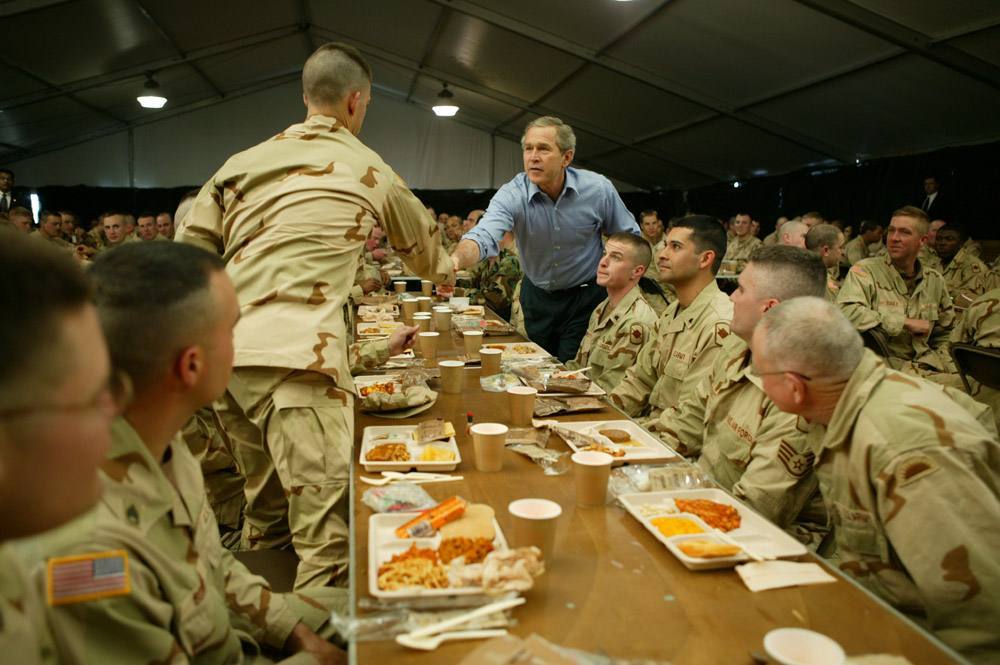
The Procedure Nobody Wants to Discuss
The procedural red tape involved in the claims process is a primary contributor to the backlog. Veterans often find themselves navigating a labyrinthine system filled with confusing forms and requirements. Many are left feeling disillusioned and frustrated, as they struggle to understand what is needed to secure their benefits. This lack of clarity is not just a minor inconvenience; it can delay life-saving services, essential medical care, and financial support. Yet, discussions around streamlining the process are often overshadowed by more sensational topics in veteran policy debates.
In recent years, various proposals have surfaced to tackle the backlog, but they often lack the bipartisan support necessary for implementation. For instance, some have advocated for a complete overhaul of the process, suggesting that technology could play a vital role in simplifying claims submissions and tracking. Others argue for increasing funding to hire more staff and reduce the workload on current employees. However, these proposals often become mired in political debates that prioritize ideology over action.
The Need for Accountability
It is crucial for both the administration and Congress to take responsibility for the current state of the VA. Veterans have put their lives on the line for the country, and the least that can be done is to ensure that they receive the benefits they deserve in a timely manner. Accountability must extend beyond just the VA itself; lawmakers must also be held accountable for providing the necessary resources and support to address this crisis effectively.
“Veterans are not a political football to be tossed around for partisan gain.”
The excessive partisanship surrounding veterans’ issues highlights a deeper problem within our political system. Solutions that could benefit veterans often fall victim to the fierce battles between the left and the right, with both sides entrenched in their views. Instead of working together to find common ground, political leaders seem more focused on scoring points than on finding tangible solutions for veterans in need.
Moving Forward
As we stand at the beginning of a new administration, there is a renewed hope for change. However, hope must be followed by action. The time has come for leaders from both sides to come together, put aside their differences, and work collaboratively to address the backlog at the VA. This is not just a bureaucratic issue; it is a human one, and the consequences of inaction can be dire.
Veterans deserve more than empty promises and political rhetoric. They deserve a system that works for them, one that recognizes their sacrifices and prioritizes their needs. It is time for all Americans to advocate for veterans, urging their representatives to take meaningful steps to resolve the backlog and improve the care and services offered by the VA.
✦ ✦ ✦