From the file. Written for the paper dated January 2009. Opened in the public stacks July 14, 2026.
As the nation grapples with the fallout of a struggling economy, port congestion has emerged as a critical issue that few are willing to confront directly. The delays and inefficiencies at our shipping ports are not only a headache for businesses but also a symptom of deeper systemic problems that beg for attention.
Understanding the Gridlock
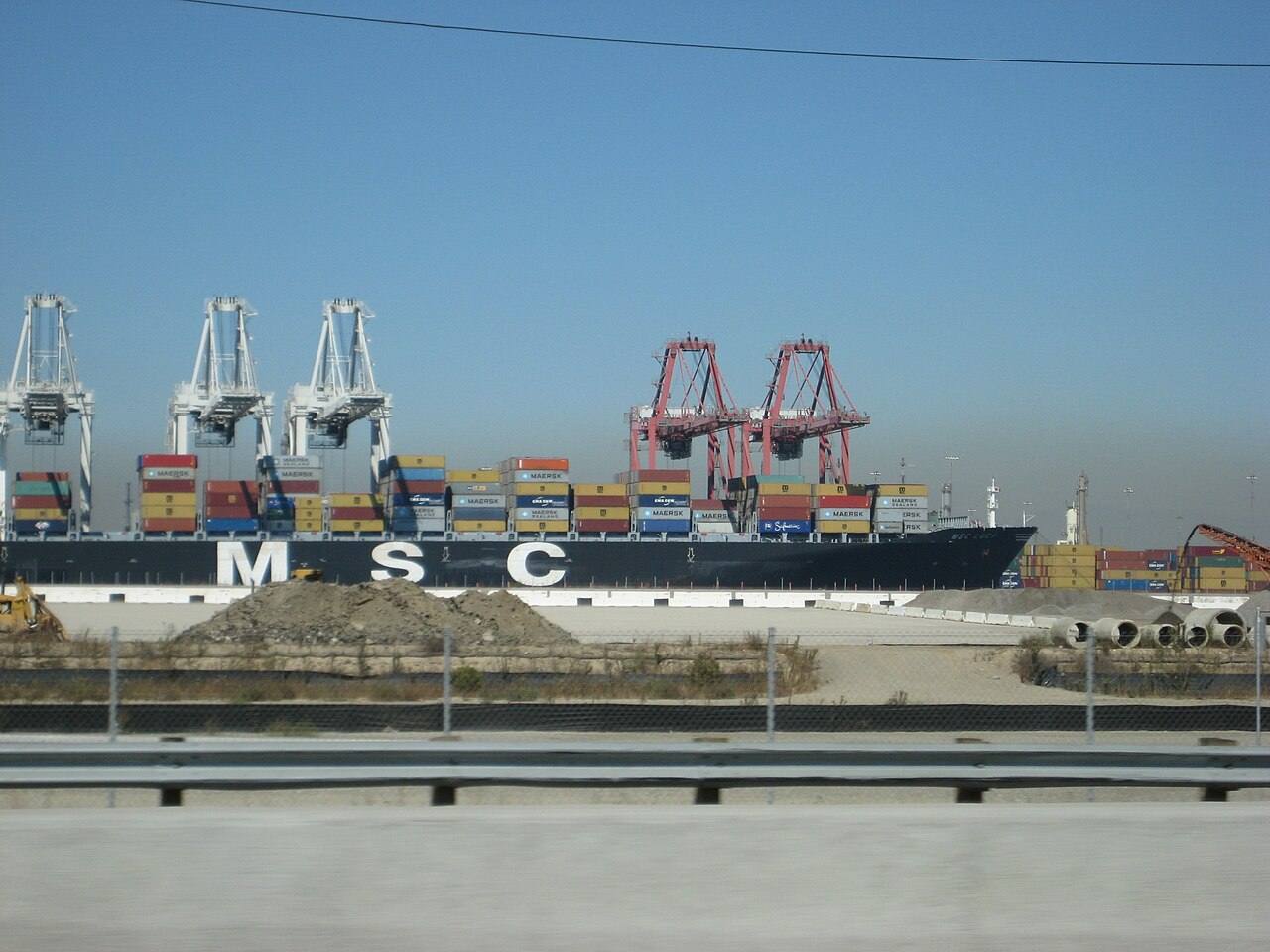
The sprawling container ships that once symbolized the globalization of trade are now sitting idle in congested harbors, creating a backlog that ripples through the supply chain. This issue seems to be getting worse as the economy faces challenges, yet the conversation around it remains frustratingly muted. We see both sides of the political spectrum shouting about the need for better policies and infrastructure spending, but little is being done to address the reality on the ground.
On one side, the left has been quick to advocate for government intervention and spending to alleviate these bottlenecks. They point to the need for modernizing our ports and investing in new technology. However, they often overlook the bureaucratic red tape that can stifle progress. Over-regulation can delay necessary improvements, and in the rush to embrace new spending, the left sometimes forgets the importance of efficiency and accountability. Merely throwing money at the problem is not a solution.
Conversely, the right tends to focus on deregulation and privatization as the panacea for port congestion. They argue that market forces will correct inefficiencies if only the government would step back. But this approach can lead to a lack of oversight and quality control, ultimately harming the very businesses they seek to support. The belief that businesses will self-regulate ignores the reality that profit motives can often overshadow public interest, resulting in neglect of the necessary infrastructure improvements.
“We need a comprehensive approach that considers both investment and accountability, not just a team jersey mentality.”
The Uncomfortable Truth
At the heart of this issue is an uncomfortable truth: the gridlock at our ports reflects broader societal issues. The sheer volume of cargo arriving at American ports has soared, yet our infrastructure has not kept pace. We are witnessing the consequences of decades of underinvestment and neglect. The current congestion isn’t just a logistical challenge; it is a glaring indicator of our inability to adapt to changing economic realities.
Moreover, the call for increased spending on port infrastructure must be accompanied by a commitment to transparency and efficiency. Taxpayer dollars should not be squandered on projects that do not have clear outcomes. Instead of partisan rhetoric, we need bipartisan cooperation to manage resources responsibly and effectively. It's time to move beyond political posturing and engage in a genuine dialogue about what is required to resolve these issues.
Bridging the Divide
Finding a middle ground may seem elusive, but it is essential for progress. Stakeholders from both sides of the aisle must come together to craft a comprehensive strategy that addresses the multifaceted nature of port congestion. This means investing in infrastructure while simultaneously ensuring that there is oversight and accountability in how those funds are utilized. It also requires a commitment to innovation that does not forsake the need for rigorous standards.
In addition, we must confront the labor issues that contribute to delays. Port workers are essential to the smooth operation of shipping operations, yet their concerns are frequently sidelined in favor of political talking points. Advocating for fair working conditions and pay for those on the front lines is not just a moral imperative; it is vital for ensuring that our ports operate efficiently.
Conclusion
Ultimately, the dialogue surrounding port congestion must evolve from partisan bickering to constructive problem-solving. The challenges are significant, but so too are the opportunities for meaningful reform. By acknowledging the complexities and seeking collaborative solutions, we can begin to untangle the knots that have built up over years of neglect. The time for action is now, and it requires all parties to step up and take responsibility for the future of our ports and, by extension, our economy.
✦ ✦ ✦