From the file. Written for the paper dated December 2008. Opened in the public stacks July 14, 2026.
As the dust settles from the chaotic headlines surrounding the financial crisis, a curious trend is emerging in the marketplace: certainty has become the hot commodity. In a world where unpredictability has become the norm, businesses and consumers alike are seeking stability in their supply chains.
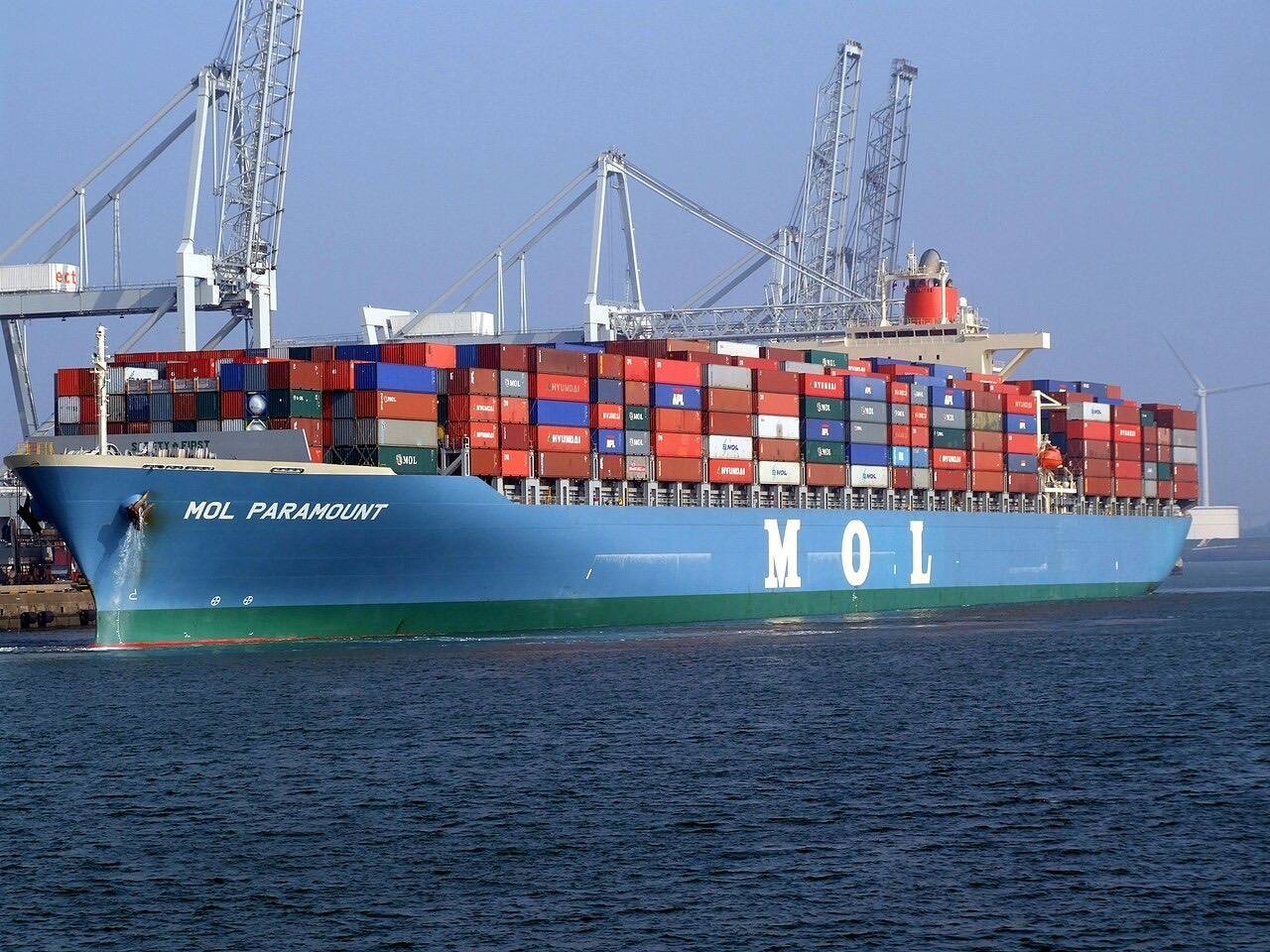
The Supply Chain's New Reality
The recent economic downturn has underscored the vulnerabilities in our supply chains. With companies struggling to maintain inventory and fulfill orders, the once steady flow of goods has been disrupted. In this climate, the demand for reliable supply chain solutions is surging. Businesses are no longer content to gamble on fluctuating markets; they are looking for partners that can provide predictability amidst uncertainty.
This shift is evident across various sectors. Retailers, facing decreased consumer spending, are being forced to adapt their inventory strategies to align with a more cautious buying public. Gone are the days of overstocking; instead, businesses are implementing just-in-time inventory systems to better manage costs and mitigate risks. This agile approach allows them to respond quickly to market changes, a necessity in today's fast-paced environment.

In a world where unpredictability has become the norm, businesses and consumers alike are seeking stability in their supply chains.
Crisis Management and Investment in Certainty
As companies grapple with supply chain disruptions, many are choosing to invest in technology and resources that ensure a more robust framework. Supply chain management software is in high demand, enabling firms to track inventory levels, forecast demand, and streamline logistics. This investment is not merely a trend; it is an acknowledgment of the lessons learned from the current economic turmoil.
However, while businesses are taking steps toward greater certainty, the reality remains that no supply chain is entirely immune to external shocks. Natural disasters, geopolitical tensions, and unexpected market shifts can still wreak havoc. Therefore, companies are learning that while they can prepare for the unforeseen, they cannot eliminate risk altogether.
The Duality of Certainty
While the demand for certainty in supply chains is understandable, it also raises questions about the balance between risk and reward. On one hand, businesses that prioritize stability may find themselves missing out on opportunities for innovation and growth. Conversely, those that embrace risk may reap the benefits of being first movers in emerging markets.
Furthermore, this quest for certainty is manifesting itself in the political landscape as well. On the left, there are calls for increased regulation and oversight of industries to protect consumers and ensure equitable practices. This approach, however, can stifle entrepreneurial spirit and innovation, leading to a more stagnant economy. On the right, the push for deregulation and free-market policies emphasizes individual responsibility and market forces, but it can also lead to a lack of accountability in the face of corporate mismanagement.
This quest for certainty is manifesting itself in the political landscape as well.
Consumer Behavior in Uncertain Times
As businesses navigate these turbulent waters, consumer behavior is also evolving. Shoppers are becoming more discerning, prioritizing quality and reliability over brand loyalty. This shift is forcing companies to rethink their marketing strategies and focus on building trust with their customers. Transparency in sourcing, production processes, and pricing is becoming paramount for brands that wish to thrive in this new landscape.
Moreover, the economic climate has left consumers feeling cautious about their spending habits. Many are opting for value over luxury, which is reshaping the retail landscape. As a result, businesses that can offer a sense of security - whether through quality guarantees, return policies, or ethical sourcing - are likely to gain a competitive edge.
Looking Forward
In the face of uncertainty, the supply chain is emerging as a battleground for businesses aiming to secure their place in the market. The focus on certainty, while necessary, must be balanced with an understanding of the broader economic environment. As companies invest in technology and strategic partnerships, they must remain vigilant against the allure of complacency.
The economic landscape is shifting, and the supply chain will play a pivotal role in determining which businesses thrive and which falter. In this new era, those that can combine the elements of certainty and adaptability will be the ones to succeed.
✦ ✦ ✦