From the file. Written for the paper dated December 2008. Opened in the public stacks July 14, 2026.
As President-elect Barack Obama prepares to finalize his cabinet nominations, the anticipation surrounding these appointments has created a fervent atmosphere of certainty in Washington. This moment offers an opportunity to examine the implications of choosing a cabinet that reflects both progressive ideals and pragmatic governance.
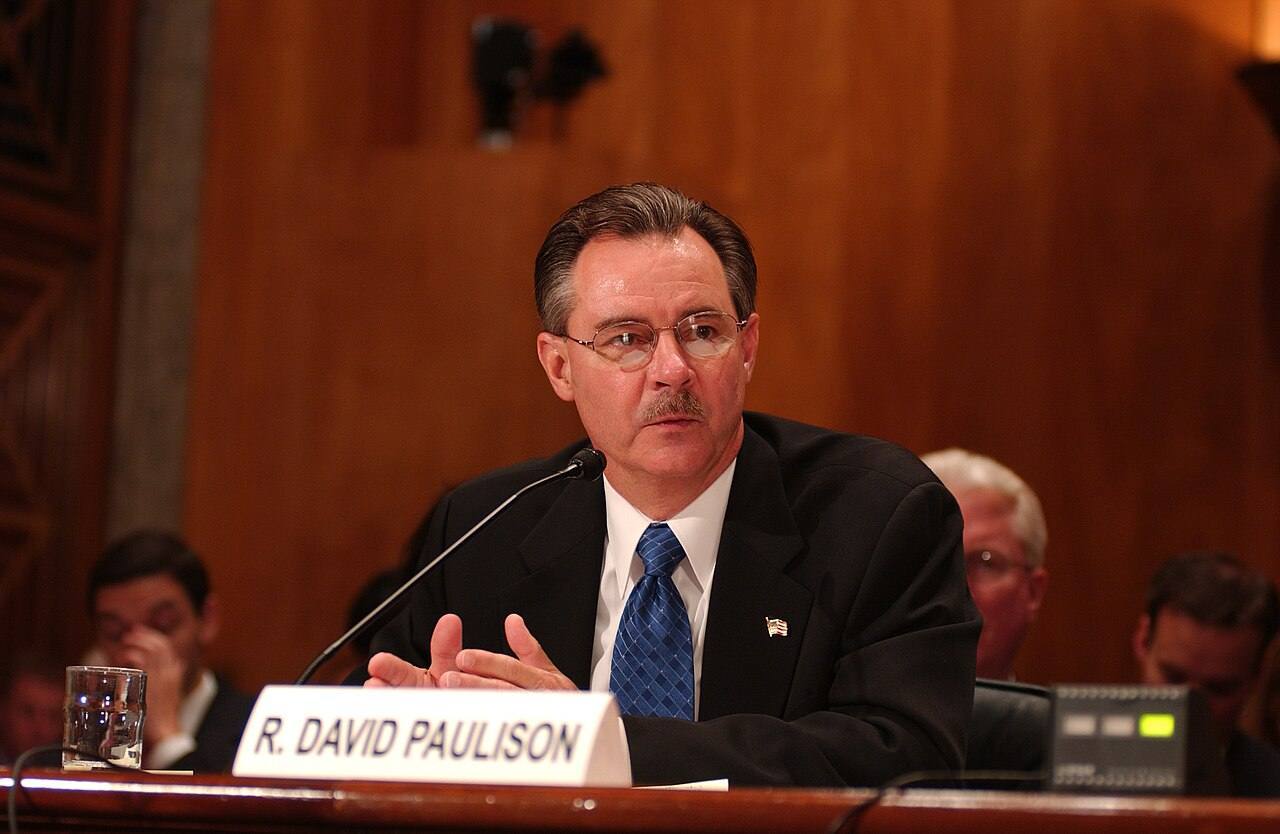
The Landscape of Cabinet Choices
The cabinet, a crucial component of executive power, is often seen as a reflection of a president's priorities and vision. As Obama moves to fill these vital positions, the stakes could not be higher. The nation is at a crossroads, grappling with economic turmoil, two ongoing wars, and a pressing need for healthcare reform. The expectation is that Obama’s selections will embody a blend of experienced hands and fresh perspectives, but the reality is that every choice carries both promise and risk.
On one side, there is the overwhelming desire among many progressives for a cabinet that prioritizes bold reforms and transformative policies. The left envisions a team that will challenge the status quo, pushing for significant changes in areas such as climate policy and social justice. Yet, as fervent as this desire may be, it risks alienating moderates and independents who may prefer a more centrist approach to governance.
On the other side, there is an unmistakable push from conservatives who argue that any semblance of leftist ideology in cabinet appointments could destabilize the country further. Critics on the right are quick to label progressive choices as reckless, warning that a radical agenda could exacerbate the economic crisis and lead to social unrest. This fear is amplified by their calls for a return to traditional values and fiscal conservatism, which they claim will restore order and confidence in the government.
"The cabinet selections will determine how effectively the new administration can navigate the turbulent waters ahead."
Certainty in Uncertain Times
Amidst the cacophony of voices advocating for a variety of agendas, one thing is certain: the public's appetite for assurance is palpable. In an age marked by volatility, citizens are seeking leaders who exude confidence and clarity. As Obama positions himself for a potentially transformative presidency, the expectation is that his cabinet will not only embody his vision but also provide the stability necessary for the nation to recover.
The challenge lies in balancing the aspirations of the left with the concerns of the right, crafting a cabinet that can effectively govern while also addressing the deep divides within the electorate. The urgency of the economic crisis demands swift action, and a cabinet composed of individuals who can work collaboratively across party lines may be the key to achieving progress.
The Danger of Extremes
As the nomination process unfolds, it is crucial that both sides avoid falling into the extremes that have characterized much of the political discourse in recent years. The far left’s insistence on purity of ideology can lead to a dismissive attitude toward compromise, while the far right’s knee-jerk reactions can stifle necessary innovation and progress. In this environment, a moderate approach may be the only viable path forward.
Real leadership will require a willingness to engage in dialogue, even with those who hold differing views. The cabinet must be a space where diverse perspectives can coexist, fostering an environment conducive to collaboration rather than conflict. If Obama can assemble a team that respects this principle, it could serve as a model for a more unified approach to governance.
Conclusion: Navigating the Road Ahead
The cabinet nominations are more than just a series of appointments; they are a reflection of the values and priorities of the incoming administration. As the nation grapples with uncertainty, the hope is that these selections will foster a sense of stability and purpose. However, this hope must be tempered with the understanding that political realities often challenge even the best intentions.
If the Obama administration can strike the right balance between progressive goals and pragmatic governance, it may not only navigate the immediate challenges but also lay the groundwork for enduring change. The road ahead is fraught with obstacles, but with the right team in place, there is potential for meaningful progress.
✦ ✦ ✦