From the file. Written for the paper dated November 2008. Opened in the public stacks July 14, 2026.
As the nation grapples with the implications of the recent health crises, it is imperative to reflect on the bipartisan habit of selective memory regarding pandemic readiness. Both the left and the right have engaged in a troubling narrative that obscures accountability and undermines the collective responsibility necessary to tackle such public health challenges.
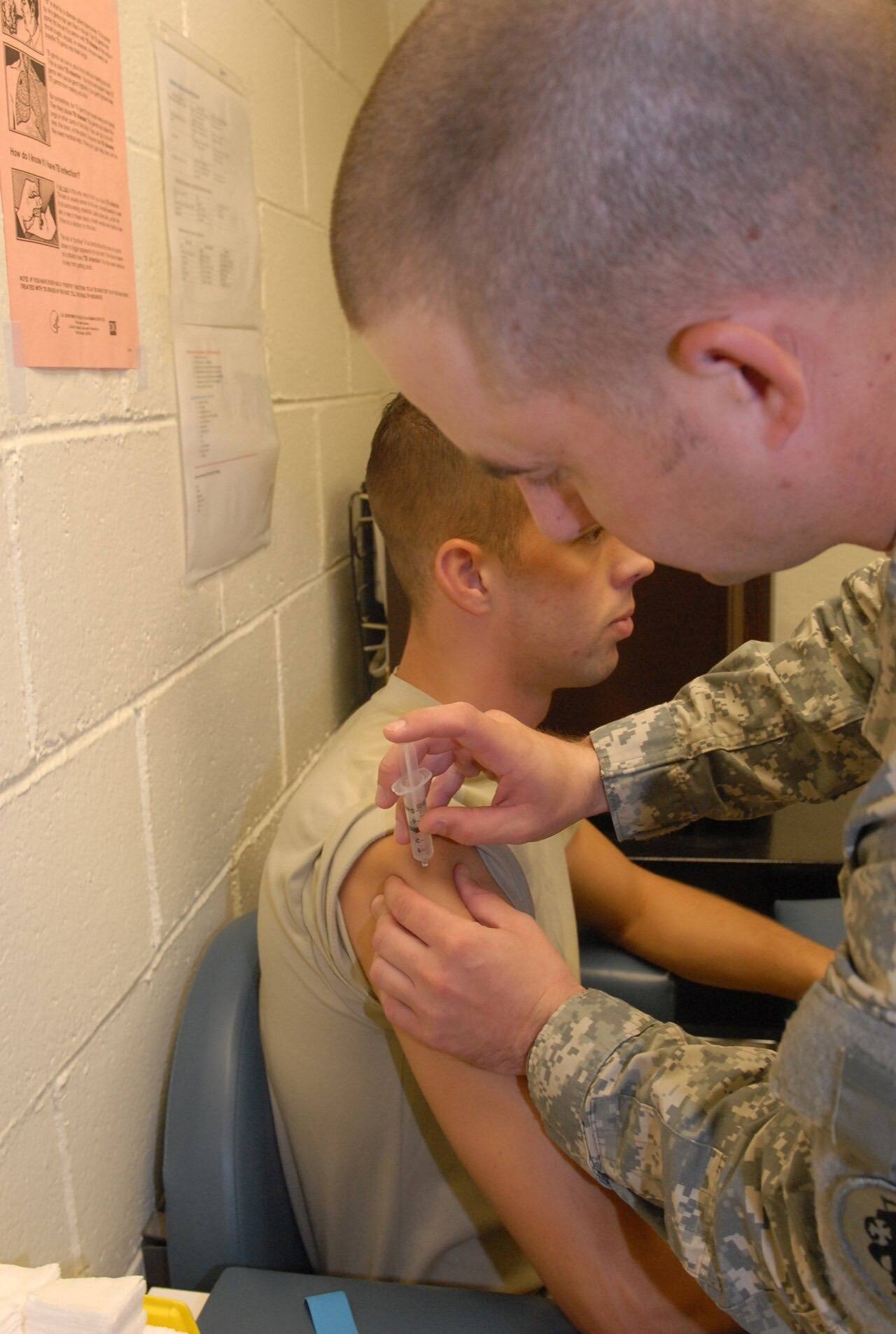
The Left's Oversight
The left often champions the need for comprehensive health care reform and robust public health systems. However, when the reality of a pandemic looms, the focus on preventive measures and resource allocation often takes a backseat to political posturing. The Bush administration's handling of the H5N1 avian flu outbreak in 2005 was met with substantial criticism from many on the left, yet the same voices now overlook the lack of preparedness during the current public health landscape.
In the wake of a potential pandemic, it is easy to point fingers, but a deeper examination reveals a pattern of neglect across administrations. The push for universal health care is admirable, yet it does not absolve the left from its responsibility to hold its leaders accountable when they fail to prioritize disease prevention and public health infrastructure.
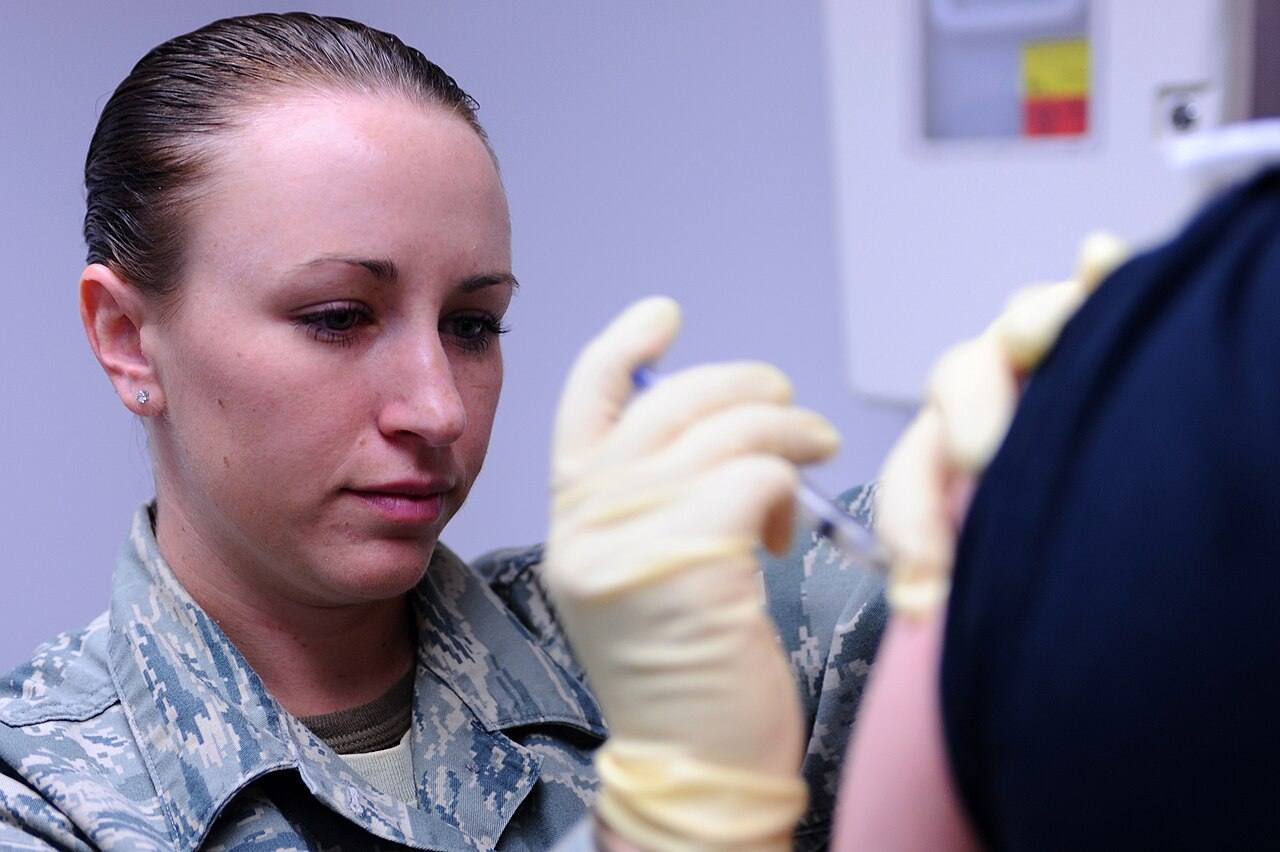
The Right's Amnesia
On the flip side, the right has its own selective memory concerning public health issues. The recent focus on tax cuts and deregulation has overshadowed the need for a proactive approach to health crises. The Republican Party has historically favored private sector solutions, which often leads to a lack of investment in vital public health initiatives.
As the current administration faces scrutiny for its pandemic response, many on the right are quick to blame the previous administration without acknowledging their own role in diminishing funding for the Centers for Disease Control and Prevention and other critical public health agencies. This amnesia reflects a broader tendency to prioritize short-term political gain over long-term health security.
Both parties must confront their histories of neglect and engage in a more honest dialogue about pandemic preparedness.
A Call for Accountability
It is essential for both sides of the aisle to acknowledge their respective shortcomings in pandemic preparedness. The history of public health policy in this country is riddled with opportunities missed and lessons unlearned. The eagerness to assign blame should not overshadow the need for a unified approach to future health crises.
The recent discussions around the need for a national health care policy often exclude honest conversations about what has been done in the past to prepare for and mitigate pandemics. Both parties must confront their histories of neglect and engage in a more honest dialogue about pandemic preparedness. This should include increased funding for public health initiatives and a commitment to strengthening the infrastructure that supports disease prevention.
The Role of the Public
The public also plays a critical role in this dialogue. As citizens, it is our responsibility to demand transparency and accountability from our elected officials. Community engagement and advocacy for public health initiatives are essential to ensure that our leaders prioritize the health of the nation over partisan politics.
Moreover, public awareness campaigns must emphasize the importance of preparedness and response, encouraging individuals to take an active role in their health and the health of their communities. The public must not only advocate for better health policies but also hold their leaders accountable for lapses in judgment and funding.
Moving Forward Together
As we stand at this crossroads, the opportunity for bipartisan cooperation in health policy is ripe for the taking. Both parties must rise above the politics of blame and commit to a collaborative approach that prioritizes the health and safety of all Americans. It is only through mutual recognition of past failures and a shared vision for the future that we can hope to build a resilient public health system capable of responding to the challenges that lie ahead.
The stakes are high, and the time for action is now. It is essential that we learn from our past, embrace our shared responsibilities, and work together to ensure that our nation is prepared for future health crises. The era of selective memory must end, replaced by a commitment to honesty, accountability, and proactive health policy.
✦ ✦ ✦