From the file. Written for the paper dated October 2008. Opened in the public stacks July 14, 2026.
As the news cycle turns its attention to the latest political debates and economic woes, the monitoring of the world's volcanoes is often relegated to a footnote. Yet, the potential for catastrophic eruptions looms quietly, highlighting a failure of oversight in a field that should be front and center in public discourse.
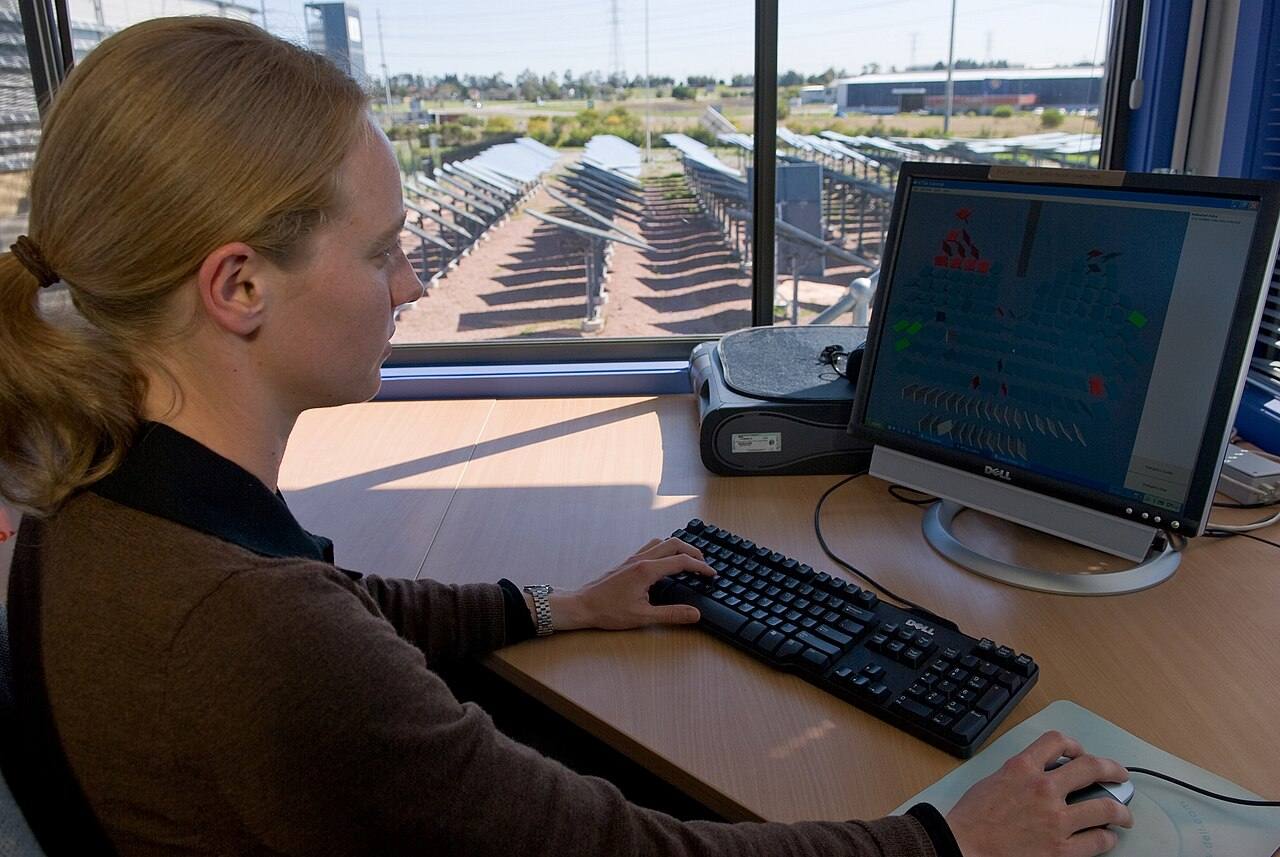
The State of Volcano Monitoring
In the wake of natural disasters, the media often rushes to cover the immediate aftermath, but what about the ongoing efforts to predict and monitor volcanic activity? The United States Geological Survey (USGS) and various international agencies are tasked with keeping an eye on some of the most dangerous volcanoes in the world. However, the resources allocated to these programs tell a different story - one of neglect and underfunding.
As public attention is consumed by the economic crisis and the presidential election, the monitoring of volcanoes appears to be an afterthought. With millions of people living in the shadows of active volcanoes, the implications of this oversight could be dire.
The Role of Science in Public Safety
Scientific understanding of volcanic activity has grown exponentially over the last few decades. Researchers have developed sophisticated models to predict eruptions, utilizing seismic data, gas emissions, and ground deformation measurements. However, these advancements are only as effective as the support they receive from government funding and public interest.
While science has made great strides, the reality is that many monitoring stations are either underfunded or inadequately staffed. The budget constraints faced by agencies like the USGS have resulted in fewer scientists available to analyze data and disseminate crucial information to communities at risk. The irony is palpable - while the science is there, the infrastructure to support it is faltering.
Politics and Priorities
The current political climate underscores a worrying trend: the prioritization of immediate crises over long-term safety measures. On one hand, the left is quick to advocate for environmental protections, yet they often overlook the critical need for funding in natural disaster preparedness. On the other hand, the right tends to downplay scientific concerns in favor of economic growth but fails to recognize that a robust disaster response framework can mitigate the economic fallout of natural disasters.
"As political debates rage, the silent threat of volcanoes continues to simmer beneath the surface."
The debate over climate change has also overshadowed other pressing environmental issues, such as volcanic activity. Those on the left may focus heavily on carbon emissions and fossil fuel consumption, while dismissing the risks posed by geological events. Meanwhile, the right often sidesteps scientific discourse entirely, prioritizing economic agendas that may compromise safety.
Case Studies of Ignored Threats
Take, for example, the 1980 eruption of Mount St. Helens, which claimed lives and devastated large areas due to inadequate monitoring at the time. The lessons from such disasters have led to improved technology and methodologies, but without ongoing investment, the next eruption could catch us off guard.
In recent months, the eruption of Kilauea in Hawaii has demonstrated the potential for extensive damage. While scientists were able to provide warnings, the response was hampered by a lack of resources. Communities surrounding the volcano were left to fend for themselves, illustrating the unfortunate reality that preparation often falls short.
A Call for Action
As we navigate the complexities of the current political environment, it is vital that we do not ignore the quiet failures of oversight in scientific monitoring. Community safety must be a bipartisan concern, and both sides of the aisle need to recognize the importance of investing in disaster preparedness.
Advocacy for volcano monitoring should not be a niche issue but rather a fundamental part of public safety discussions. It is incumbent upon citizens, scientists, and policymakers alike to ensure that the necessary resources are allocated to keep vulnerable populations safe from the wrath of nature.
Conclusion: Bridging the Gap
In the end, the conversation surrounding volcano monitoring should serve as a reminder that scientific oversight and public safety should transcend political divides. As citizens, we must advocate for sustainable funding and attention to our natural world, ensuring we do not wait for disaster to strike before seeking to protect those at risk.
✦ ✦ ✦