From the file. Written for the paper dated October 2008. Opened in the public stacks July 14, 2026.
As the dust settles from the barrage of headlines surrounding the economic crisis, a quieter storm brews beneath the surface of the retail sector, revealing a failure of oversight that could have dire consequences for consumers and businesses alike.
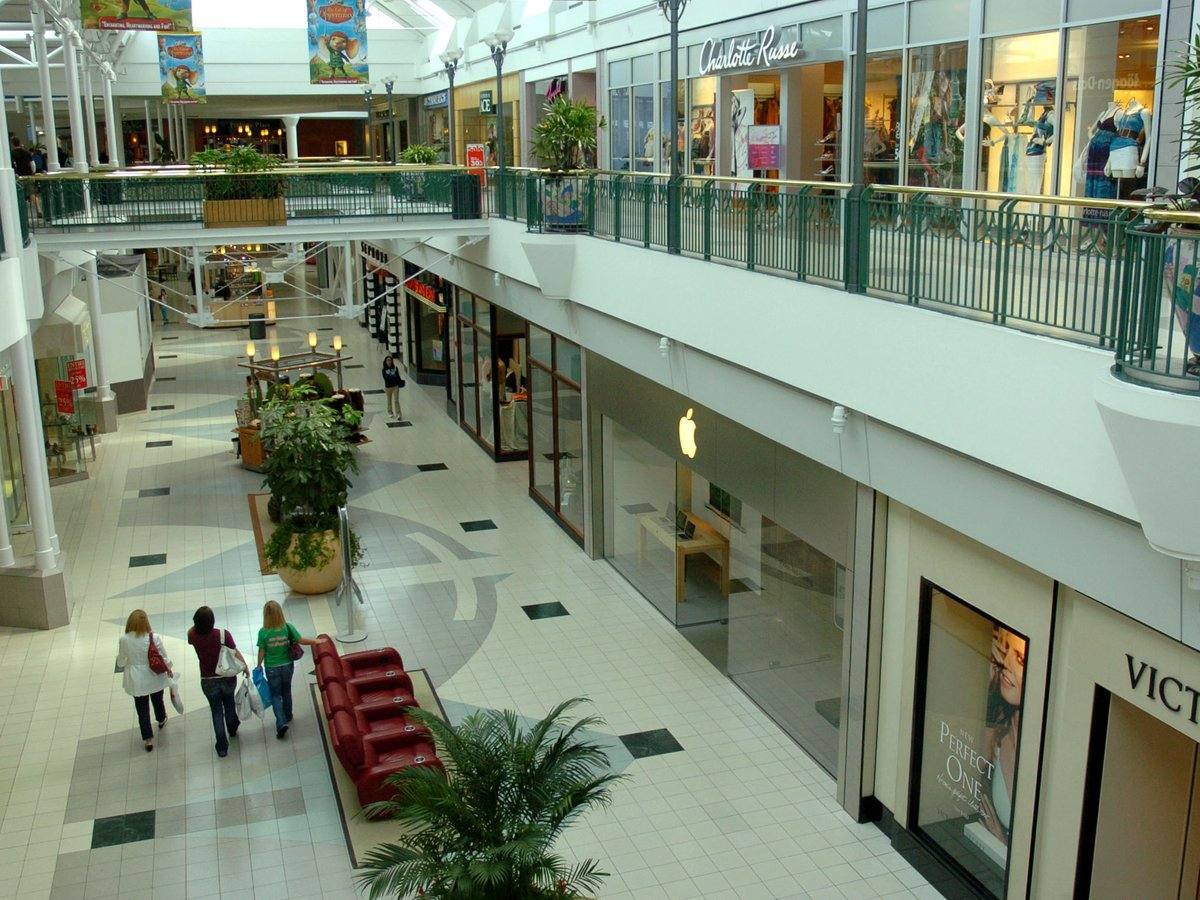
The Retail Landscape
In recent months, we have witnessed a volatile shift in consumer behavior, largely driven by the economic turmoil and the fallout from the housing market collapse. While the government and media have focused on the more sensational aspects of the financial disaster, such as bank bailouts and stock market fluctuations, the retail sector has been largely overlooked. It is within this sphere that we see the subtle yet significant shortcomings in oversight that have allowed the crisis to permeate into the everyday lives of Americans.
Consumer Confidence and Spending
Consumer confidence has taken a substantial hit, and as a result, spending has declined. The National Retail Federation has predicted a drop in holiday sales that would be the first in years, reflecting a broader trend of tightening budgets and cautious spending habits. Many retailers are bracing for a season that could turn bleak, yet the discussion in the public sphere remains fixated on the larger financial institutions, leaving local businesses to navigate the fallout largely on their own.
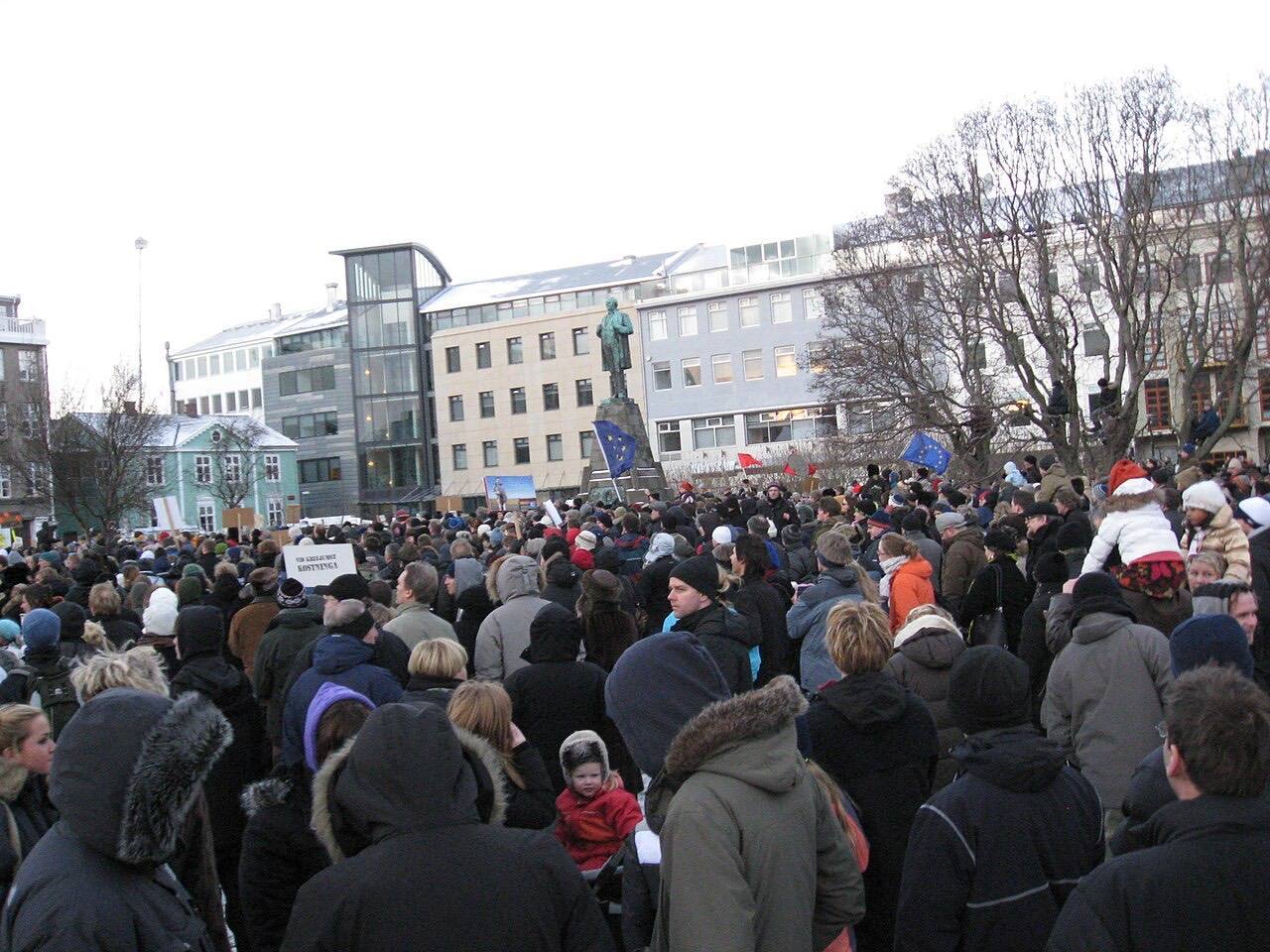
"While the focus has been on Wall Street, Main Street is facing real challenges that demand attention."
The Response from Retailers
Retailers are responding to the downturn with various strategies, from discounting and promotions to inventory management. However, the reality is that many are still operating under outdated models, failing to adapt to the evolving economic landscape. This misalignment exposes a critical gap in oversight, as there has been little guidance on how best to navigate these treacherous waters. Instead of proactive measures, many retailers find themselves reacting to the crisis, often too late to make a significant impact.
Government Intervention and Oversight
The government's response to the economic crisis has been a double-edged sword. On one hand, the Federal Reserve has taken steps to lower interest rates to stimulate spending. On the other, the lack of targeted support for the retail sector has left many businesses scrambling for survival. The focus on massive bailouts for failing financial institutions has overshadowed the needs of small businesses and retailers that form the backbone of the economy.
Excesses on Both Sides
The current climate calls for a balanced approach, yet we find ourselves in a world where both extremes are at play. On one side, the left is advocating for heavy-handed regulation and government intervention, which may stifle innovation and growth. On the other, the right pushes for a laissez-faire approach that has led to the very circumstances we now face. Both sides seem to be missing the mark in recognizing that a middle ground is essential for sustainable recovery.
The Path Forward
For retailers to thrive in the current environment, it is imperative that they adopt a more flexible and innovative approach to business. This includes not only adjusting pricing strategies but also re-evaluating supply chains and inventory practices. The emphasis must shift from merely surviving the crisis to strategically positioning themselves for future growth.
"The retail sector needs to adapt, innovate, and prepare for the long-term realities of a changed economy."
Conclusion
As we navigate this uncertain economic landscape, it is essential that both retailers and policymakers engage in meaningful dialogue about the challenges ahead. The focus must shift from sensational headlines to the real issues facing everyday Americans. A collaborative effort is required to ensure that the retail sector not only survives but thrives in the coming years.
✦ ✦ ✦