From the file. Written for the paper dated October 2008. Opened in the public stacks July 14, 2026.
As the dust settles from the most recent political theater, the American public finds itself grappling with a nagging sense of civic boredom. This malaise is not merely about fatigue from the relentless barrage of headlines; it reflects a deeper, more troubling failure of oversight in our democratic process.

Left or Right: Who’s Bored with Governance?
In a climate where political discourse is often reduced to sound bites and sensationalism, it’s easy for citizens to disengage. On one end, we have the left, fervently advocating for change while often resorting to emotional appeals that lack substantive policy discussions. The rhetoric can be so strident that it alienates moderate voters who might otherwise support progressive initiatives. The passion is palpable, but where is the practicality?
On the other end of the spectrum, the right has become ensnared in a cycle of reactionary politics, fixated on preserving the status quo and resisting change at any cost. The constant drumbeat of fear-mongering over perceived threats has turned many citizens away from meaningful engagement. Instead of fostering a robust debate on issues like the economy or healthcare, we are left with a polarized landscape where coherent dialogue is replaced by partisan posturing.
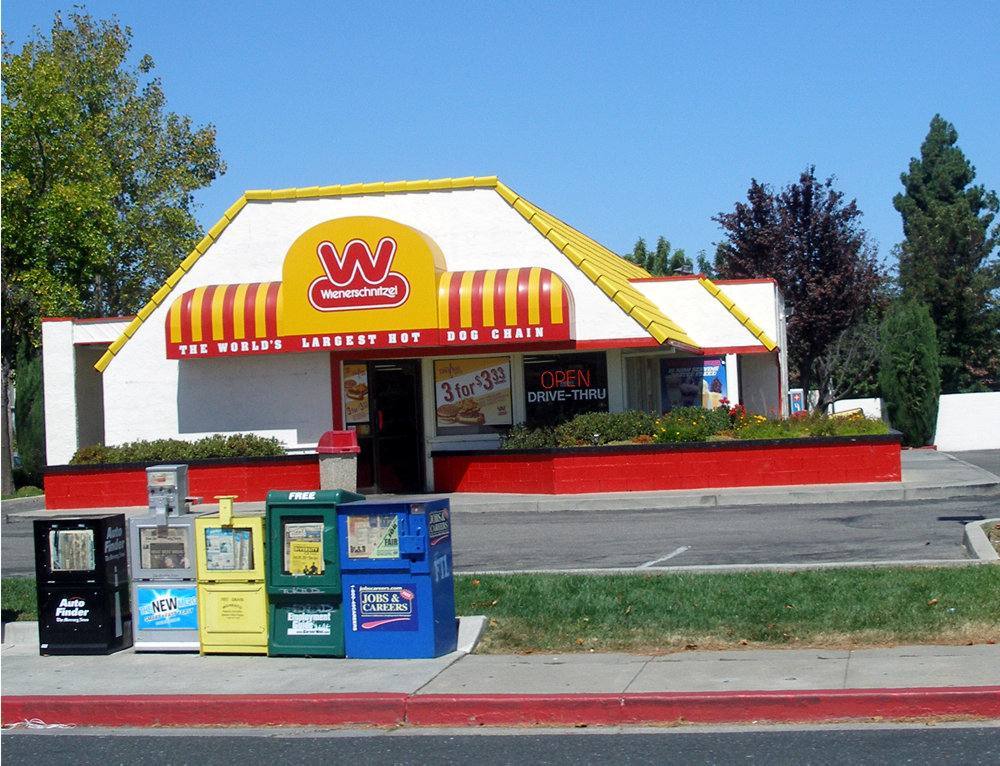
"Civic boredom isn't just a symptom of political fatigue; it’s a silent crisis of engagement."
The Consequences of Apathy
This civic boredom has real-world implications. When citizens feel disenchanted by the political process, they are less likely to vote, attend town hall meetings, or engage in community discussions. The result is a democracy that functions on autopilot, with elected officials who may feel empowered to act without the scrutiny of an engaged electorate.
Take, for instance, the ongoing economic turmoil that has gripped the nation. While the left insists on bold reforms to address systemic issues, the right clings to traditional fiscal policies, often ignoring the cries for innovative solutions. In this environment, it is easy for citizens to tune out altogether, believing that their voices will not be heard regardless of the outcome. This is a dangerous precedent, as every election carries the weight of future governance.
What Can Be Done?
To combat this growing apathy, both sides of the political aisle must recognize their roles in fostering civic engagement. For the left, it means moving beyond mere rhetoric and providing clear, actionable plans that resonate with moderate voters. For the right, it requires an openness to reform and a willingness to address the evolving needs of a diverse electorate.
Moreover, media outlets have a responsibility to reshape their coverage. Rather than focusing solely on the sensational aspects of politics, they must delve into the issues that matter most to citizens. Investigative journalism that holds leaders accountable can help cultivate a more informed public, which in turn can combat the boredom that leads to disengagement.
Rallying the Troops
Community organizations and grassroots movements also play a crucial role in rekindling civic interest. Local initiatives that bring citizens together to discuss pressing issues can help rebuild the trust necessary for a functioning democracy. When individuals feel connected to their neighbors and invested in their communities, they are more likely to engage in the political process.
Ultimately, the antidote to civic boredom lies in rekindling a sense of agency among citizens. Voter registration drives, educational workshops, and open forums can empower individuals to take ownership of their democracy. It’s not enough to merely criticize the status quo; we must engage with it, challenge it, and demand better.
✦ ✦ ✦