From the file. Written for the paper dated October 2008. Opened in the public stacks July 14, 2026.
As the dust settles from a turbulent political season, cabinet resignations are emerging as a significant yet often overlooked consequence of a leadership crisis. These departures, while dramatic in nature, reveal a troubling trend of failed oversight at the highest levels of government.

Unraveling Leadership
The recent wave of cabinet resignations from both the executive branch and various state departments paints a picture of a government at odds with itself. While the media frenzy often focuses on the sensational aspects of these departures, such as personal scandals or public disagreements, the underlying issues are far more concerning.
These resignations suggest a systemic failure of oversight - a reality that neither party seems willing to address directly. As the nation grapples with a financial crisis, the leadership appears more preoccupied with optics than with effective governance. The cycle of resignations not only destabilizes the administration but also erodes public trust in our institutions.
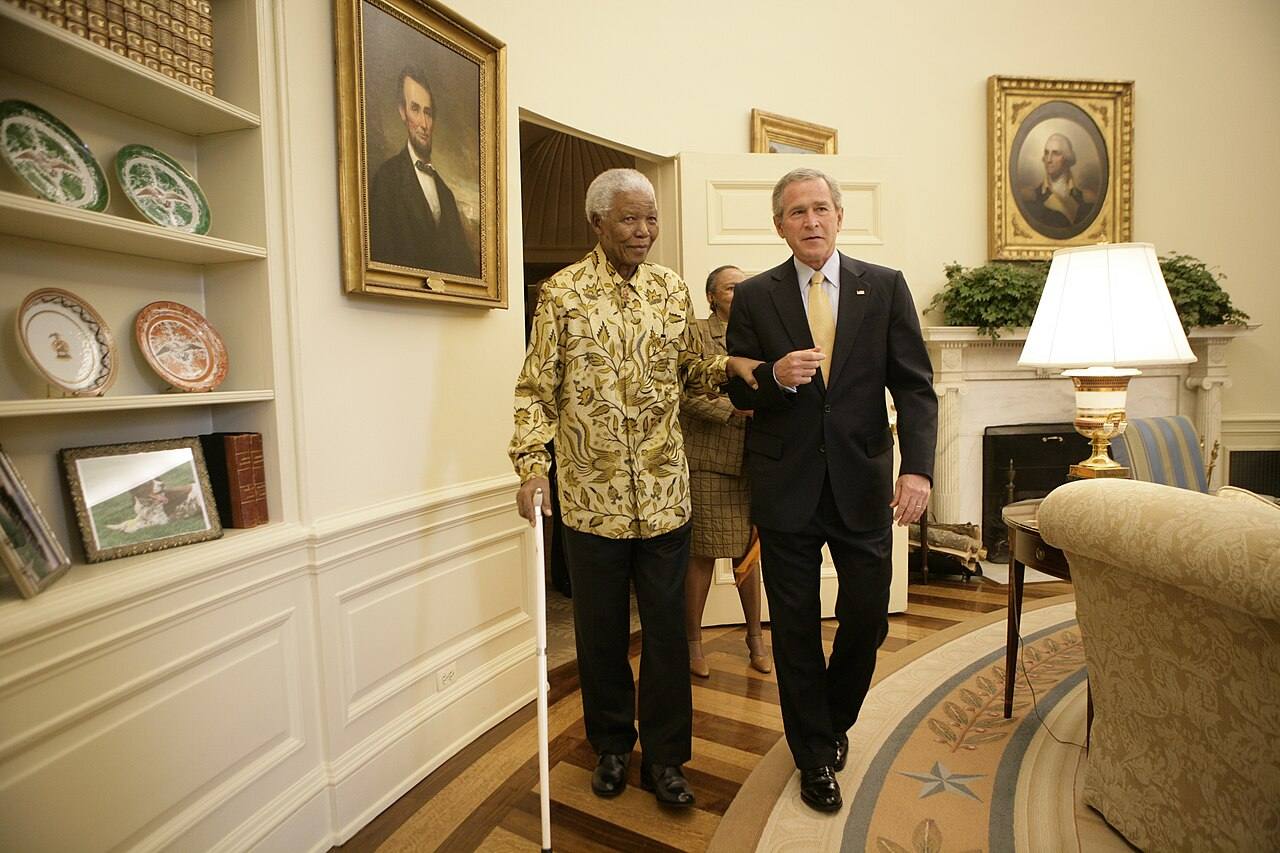
"In the end, it's not just about who leaves, but why they felt they had to go."
Political Theater
While both Democrats and Republicans have engaged in their share of political theater, the current narrative of blame-shifting is particularly troubling. Democrats are quick to highlight the incompetence of the current administration, pointing to the resignations as an admission of failure. Yet, their own track record in managing oversight during past administrations is less than stellar. This hypocrisy undermines their argument and serves only to fuel divisions.
On the other hand, Republicans are often more focused on defending their leaders than addressing the real issues at hand. The tendency to dismiss resignations as mere distractions rather than serious indicators of systemic flaws demonstrates an unwillingness to engage in self-reflection. Instead of fostering a culture of accountability, this approach perpetuates a cycle of denial.
The Consequences of Inaction
As we witness these resignations unfold, the implications extend far beyond individual careers. The ripple effects affect policy decisions, national security, and economic stability. With key positions left vacant or filled by interim appointees, the continuity of governance is jeopardized. The nation is left to wonder who is truly in charge as we navigate these precarious times.
Public Disenchantment
The public is not blind to these issues. Voter disenchantment is palpable, fueled by a growing perception that elected officials are more interested in preserving their own power than serving the people. As cabinet members depart in droves, the message is clear: accountability is a foreign concept in contemporary governance.
Moreover, the media's role in shaping this narrative cannot be overlooked. While sensational headlines capture attention, they often fail to delve into the real implications of these resignations. Coverage that prioritizes scandal over substance does a disservice to an electorate desperate for clarity and accountability.
Moving Forward
As the nation stares down the barrel of a potential recession, the focus should shift from the personalities involved to the structures that govern them. Both parties must confront the reality that unchecked power leads to disarray. If we are to foster a healthy political environment, it is imperative that we demand better oversight, transparency, and accountability from our leaders.
✦ ✦ ✦