From the file. Written for the paper dated September 2008. Opened in the public stacks July 14, 2026.
As the political landscape heats up ahead of the impending government shutdown, a careful examination reveals that both sides of the aisle are entangled in a game of brinkmanship, one that threatens to undermine the very fabric of governance.
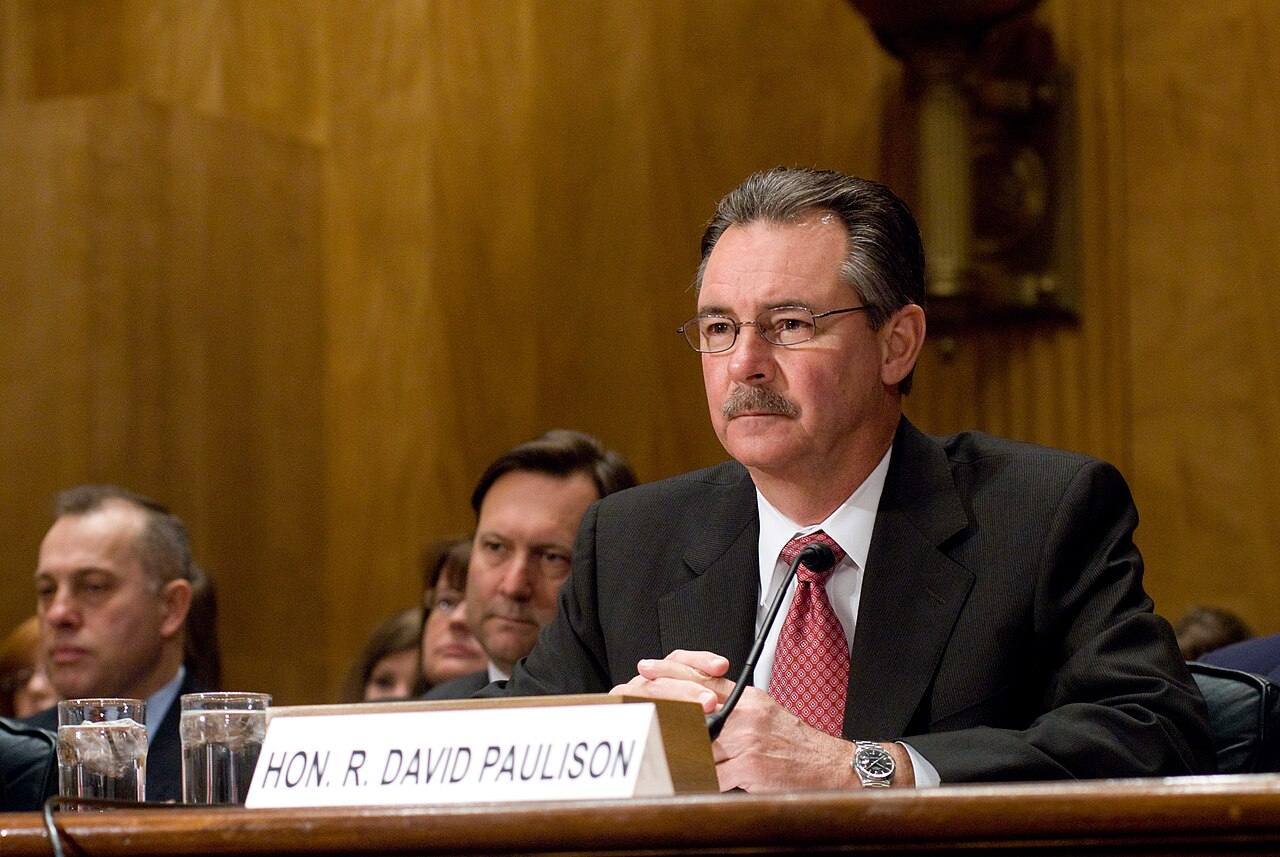
Political Theater on Display
As autumn approaches, the specter of a government shutdown looms large. With Congress divided and tensions escalating, the blame game has begun. The Democrats, with their majority in Congress, are pushing for increased funding for social programs, while Republicans are adamant about cutting costs and reducing the federal deficit. This stalemate is not merely a political disagreement; it is a reflection of a deeper ideological divide that has emerged in recent years.
"Both parties seem more interested in scoring points than in finding common ground."
What is particularly troubling is the manner in which both parties are approaching this crisis. The Democrats are framing their arguments in stark moral terms, portraying any cuts to social programs as attacks on the most vulnerable. Meanwhile, Republicans are wielding the sword of fiscal responsibility, asserting that any increase in spending is reckless and irresponsible. This binary framing leaves little room for nuanced discussion and compromises that could lead to a viable solution.

Public Sentiment and Political Capital
Public sentiment reflects a growing frustration with the political theater playing out in Washington. Polls suggest that a significant portion of the American populace is weary of the partisan bickering and desires solutions rather than posturing. Yet, as the clock ticks down to the deadline, lawmakers seem to be doubling down on their respective positions.
The irony is palpable - while both sides claim to represent the interests of the American people, their actions suggest otherwise. The Democrats, by championing expansive social programs, risk alienating fiscally conservative constituents who are wary of government overreach. Conversely, the Republicans, in their zeal to cut spending, may overlook the real-world implications of their austerity measures, which could exacerbate existing inequalities.
"A failure to compromise could lead to severe repercussions for millions of Americans."
As negotiations stall, both parties appear to be more concerned with their political capital than with the well-being of the nation. Each side is attempting to leverage the narrative to its advantage, positioning itself as the defender of the American people against the perceived excesses of the other. This one-upmanship only serves to deepen the divide and stifle any possibility of genuine dialogue.
A Call for Moderation
The time has come for both sides to recognize the importance of moderation in their approach. The stakes are too high for either party to cling to their extremes. A compromise that addresses the needs of both the economically disadvantaged and those concerned about fiscal responsibility is essential. It is not only a matter of political survival; it is a matter of national integrity.
In this moment of crisis, a middle ground is not only possible but necessary. As both parties prepare for what could be an unprecedented shutdown, it is imperative that they shift their focus from partisan gain to collaborative governance. The consequences of failing to do so could reverberate far beyond the halls of Congress, affecting the lives of millions across the nation.
Conclusion: Bridging the Divide
In conclusion, the current political climate exemplifies the dangers of extreme partisanship. The brinkmanship surrounding the government shutdown serves as a stark reminder that compromise is not a sign of weakness but a fundamental aspect of democracy. As we approach the end of the month, it is incumbent upon our leaders to set aside their differences and work collaboratively to avert a shutdown that would only further deepen the divisions within our society.
✦ ✦ ✦