From the file. Written for the paper dated September 2008. Opened in the public stacks July 14, 2026.
As the markets continue to grapple with volatility, the recent spike in commodity prices has sent shockwaves through the economy, prompting both alarm and speculation among analysts and consumers alike.

The Current Climate
In the past week, commodities such as oil, wheat, and corn have seen significant price increases. Oil prices have surged past the $100 per barrel mark, igniting concerns about inflation and its impact on everyday Americans. The rising costs of these essential goods are felt not just in the boardrooms of corporations but also in the kitchens of families across the nation.
On one hand, proponents of the free market argue that these fluctuations are simply a natural result of supply and demand. As markets adjust to increasing global demand, particularly from emerging economies, prices are bound to rise. However, this perspective often overlooks the impact of speculation and market manipulation that can further exacerbate price increases, leaving consumers to bear the brunt of these economic realities.
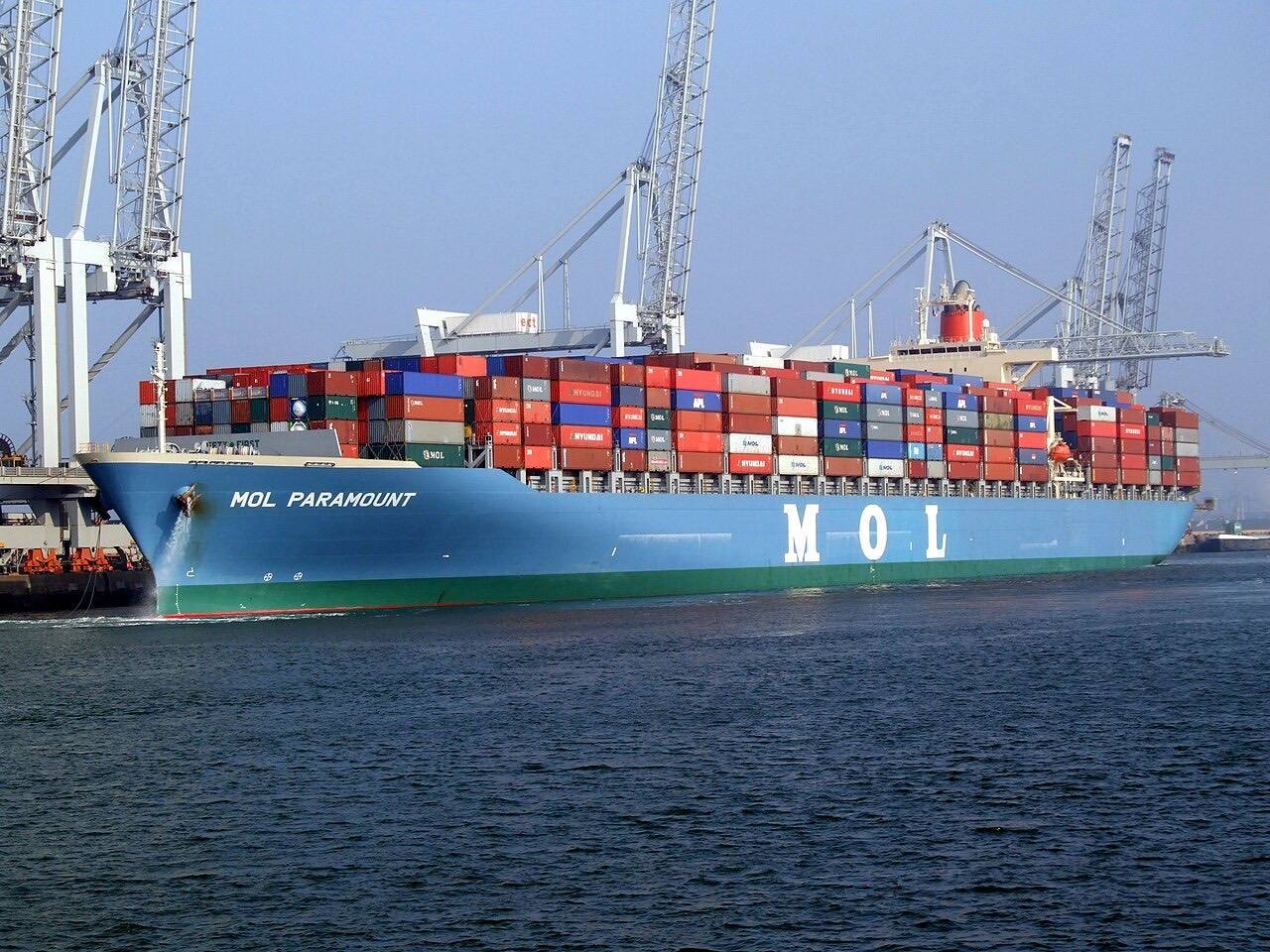
"The rising costs of essential goods are felt not just in the boardrooms of corporations but also in the kitchens of families across the nation."
The Speculative Nature of Commodities
Critics argue that the current spike is not entirely driven by genuine supply shortages but rather by rampant speculation. Investors, seeing potential for profit, are pouring money into commodities, which in turn drives prices up. This speculative behavior can create a disconnect between actual market conditions and the prices consumers face at the pump or in the grocery store.
Furthermore, the influence of large hedge funds and investment firms cannot be ignored. Many of these entities are buying into commodities as a hedge against the declining value of the dollar, further fueling the price increases. This leads to a troubling scenario where everyday Americans are caught in the crossfire of financial maneuvers that they have no control over.
Government Response
In response to the surging prices, government officials are scrambling to devise a strategy that balances the needs of consumers and the demands of the markets. While some members of Congress are calling for price controls, others warn that such measures could lead to unintended consequences, such as shortages and reduced production.
Instead, a more moderate approach might be necessary - one that involves investigating the role of speculation in the commodities market, while also considering how to support consumers affected by rising prices. It is essential that policymakers recognize the complexity of the situation rather than resorting to knee-jerk reactions that could exacerbate the problem.
Public Sentiment
Public sentiment is increasingly turning against both the government and large corporations, as many Americans feel squeezed by rising costs with little relief in sight. The frustration is palpable, with many families forced to make difficult decisions about their spending. This growing discontent could manifest into a significant political force if left unaddressed.
"Public sentiment is increasingly turning against both the government and large corporations as many Americans feel squeezed by rising costs."
Looking Ahead
As we move forward, it is crucial that we adopt a balanced perspective that recognizes the merits and flaws on both sides of the aisle. The left often advocates for more government intervention to protect consumers, while the right clings to free-market principles that can overlook the struggles of everyday Americans. Both extremes risk failing to address the core issues at hand.
It is imperative for all stakeholders - government, consumers, and businesses - to engage in constructive dialogue. The goal should be to create a sustainable market environment that can withstand fluctuations without burdening the average citizen.
Conclusion
As the commodity spike continues to evolve, the need for a measured response has never been clearer. By avoiding the extremes of both left and right, we can work towards solutions that benefit all Americans. The stakes are high, and the time for action is now.
✦ ✦ ✦