From the file. Written for the paper dated September 2008. Opened in the public stacks July 14, 2026.
As the political landscape becomes increasingly tumultuous, the recent spate of cabinet resignations offers a glimpse into the fraying edges of governance. This week has been defined by the fallout of ambitious agendas clashing with the stark realities of public scrutiny and internal party tensions.

The High Stakes of Leadership
In a week marked by significant turnover within the Cabinet, the political discourse has turned to examining the implications of these resignations. On one hand, we see members of the administration stepping down due to mounting pressures and controversies, reflecting a leadership that appears to be struggling to maintain its grip in these turbulent times. On the other hand, the reactions from both sides of the political spectrum reveal a troubling propensity for blame and finger-pointing that distracts from the pressing issues at hand.
With the economy faltering and international tensions rising, the traditional playbook seems to be faltering. Some are quick to label the resignations as evidence of a collapsing regime, while others are invoking the idea of a cleansing of the ranks - replacing those who have lost their way. However, in the fervor to critique or defend, a middle ground is often neglected.
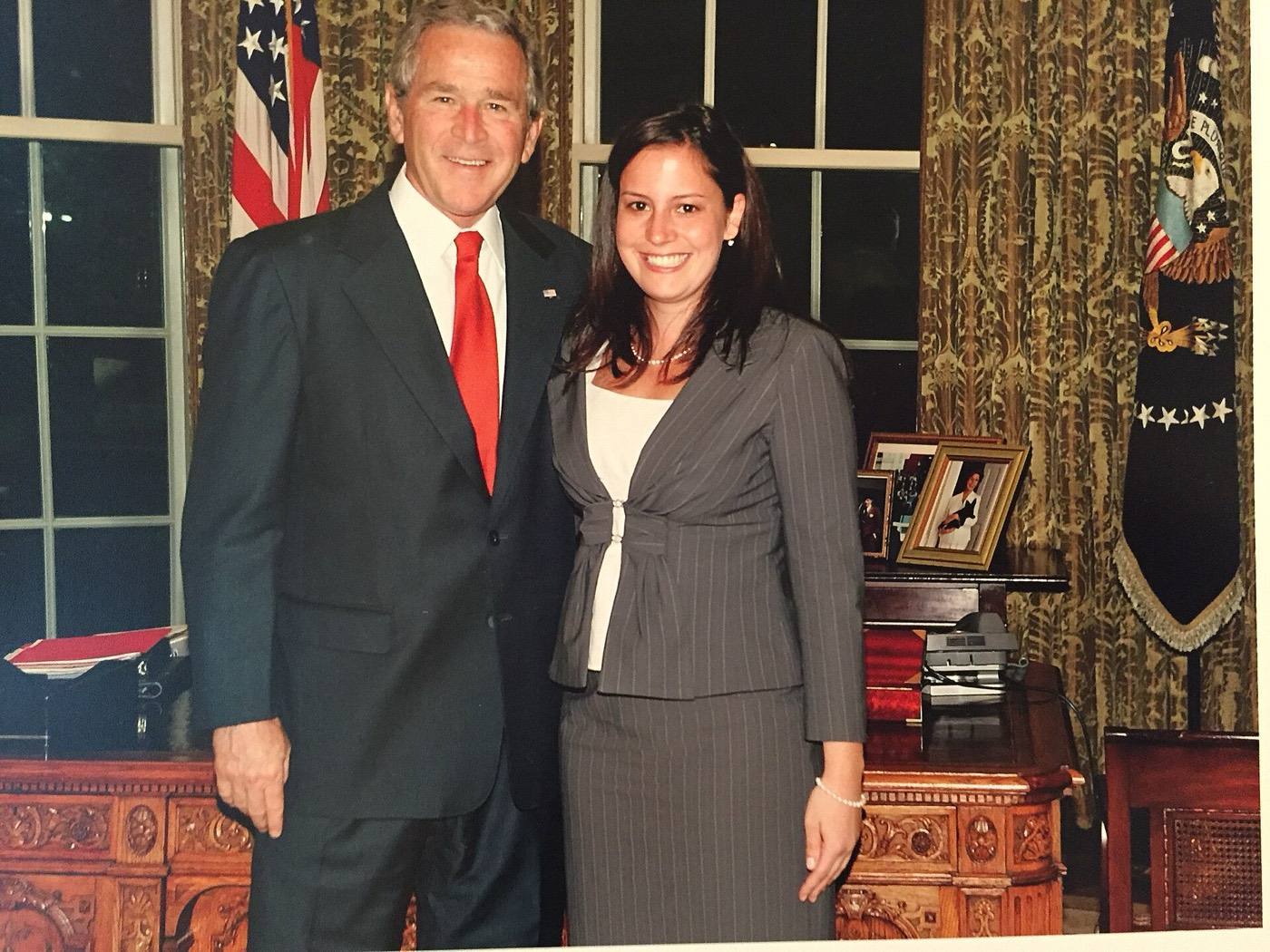
"The political discourse has turned to examining the implications of these resignations. On one hand, we see members of the administration stepping down due to mounting pressures and controversies."
Left vs. Right: A Battle of Extremes
The left has seized on the opportunity to frame the resignations as a clear indication of failed leadership. Critics from this side of the aisle argue that the administration’s inability to stabilize its cabinet is emblematic of broader incompetence. Yet, their fervor for condemnation often veers into hyperbole, overshadowing the legitimate complexities of governance and the difficult decisions that leaders face amidst crises.
Meanwhile, the right has taken a different approach, positioning these resignations as part of a larger conspiracy against the administration. This narrative often borders on the absurd, suggesting that dissent within the ranks is somehow orchestrated by outside forces seeking to undermine the integrity of the government. Such claims do little to foster constructive dialogue and instead serve to entrench divisions that further polarize the electorate.
The Need for Constructive Dialogue
Amidst this cacophony of extremes, what is glaringly absent is a call for constructive dialogue. The reality is that cabinet changes are a common occurrence in politics. Whether driven by personal choices, political strategy, or sheer necessity, these resignations should not automatically be interpreted through a lens of catastrophe or conspiracy. Instead, they should be seen as opportunities for renewal and a chance to reassess priorities.
Citizens deserve a government that operates transparently, and that means acknowledging when things go awry, while also allowing space for new ideas and perspectives to emerge. The incessant cycle of blame, however, stifles this potential for growth and transformation.
Conclusion: Finding Common Ground
As we reflect on the events of the past week, it is evident that both the left and right have their own narratives to spin. However, the truth of the matter lies somewhere in the middle, where the complexities of governance require a balanced approach that transcends partisan boundaries. Political leaders and commentators alike must resist the urge to exploit these developments for their own ends and instead, focus on fostering a dialogue that encourages collaboration and problem-solving.
In an era where the stakes are high, the responsibility rests on all of us to remain engaged in a manner that prioritizes the common good over partisan gain. It is only through such an approach that we can hope to address the multifaceted challenges facing our nation.
✦ ✦ ✦