From the file. Written for the paper dated August 2008. Opened in the public stacks July 14, 2026.
As the summer heat reaches its peak and the political arena gears up for the fall elections, a critical issue is quietly escalating within the healthcare system: a significant backlog of surgical procedures. While the focus has shifted to debates over healthcare reform, the realities of operating room delays are often sidelined in public discourse.
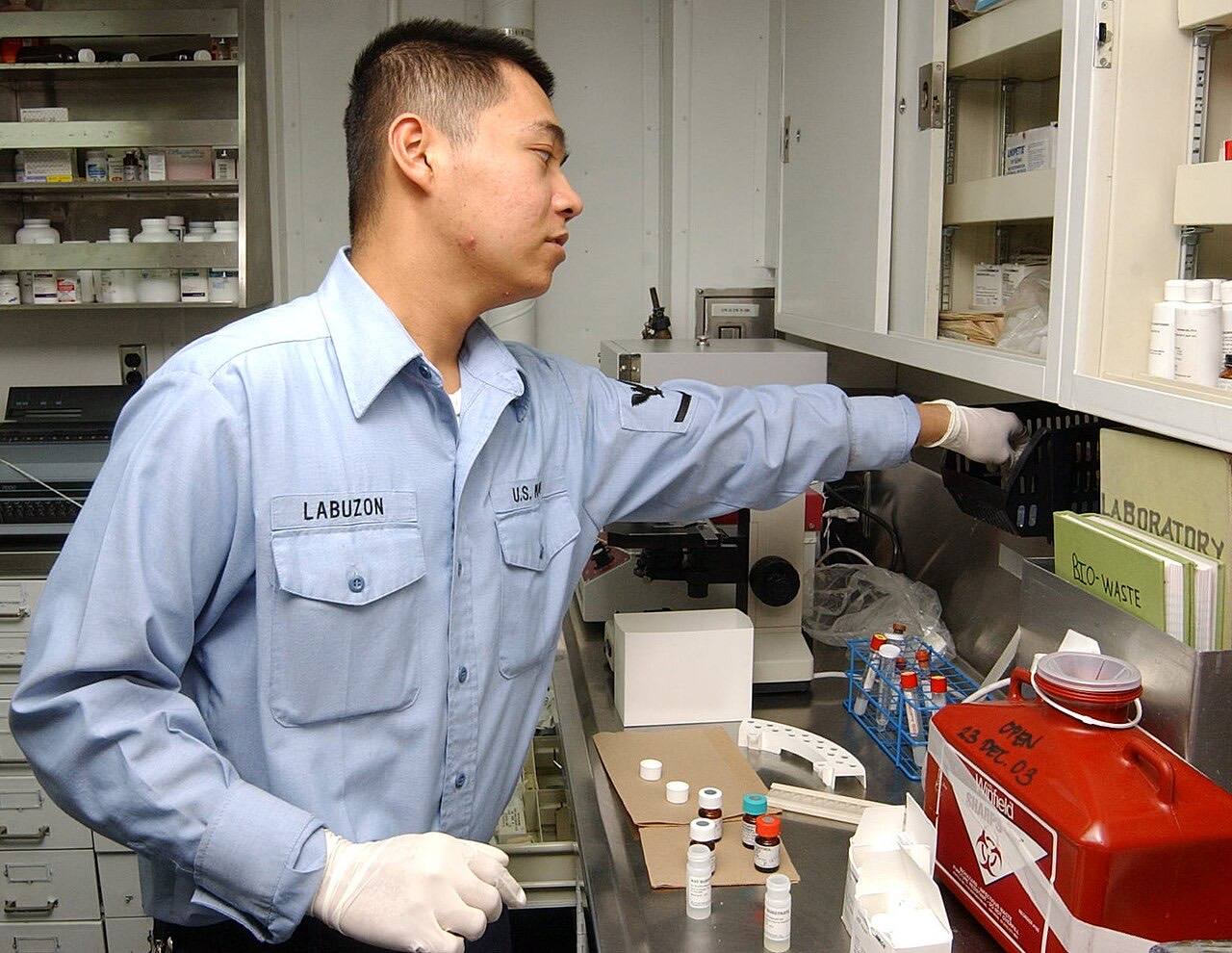
The Hidden Crisis in Healthcare
With the ongoing discussions about healthcare costs and access, one aspect that has been largely overlooked is the surgical backlog affecting countless patients across the nation. For many, the promise of timely medical intervention has become a distant memory. Patients requiring elective surgeries, from knee replacements to cancer treatments, find themselves caught in a web of delays that can extend for months, if not longer.
While politicians engage in a tug-of-war over proposed healthcare reforms, the operational realities of hospitals and surgical centers reveal a different story. The increasing demand for surgeries, coupled with resource constraints and staffing shortages, has created a perfect storm, leaving patients waiting in limbo.
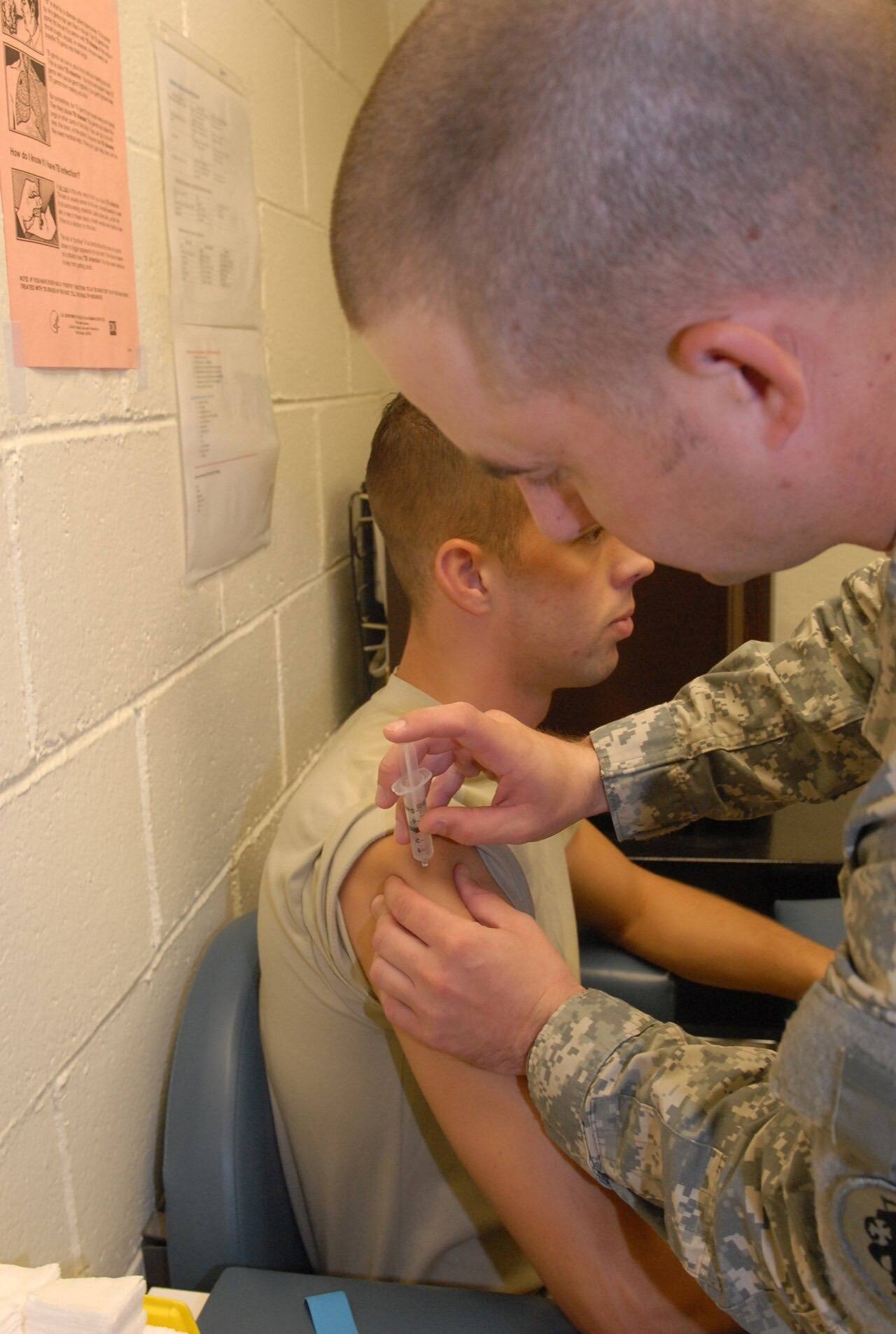
"We need to address the backlog directly rather than allowing it to fester as a political talking point." - A concerned surgeon
Patients facing these delays report feelings of frustration and anxiety, often feeling invisible in a system that seems preoccupied with ideological battles. The emotional toll of waiting for critical surgeries can be just as debilitating as the physical conditions that necessitated these procedures in the first place.
Political Posturing vs. Practical Solutions
The current political landscape has seen both sides of the aisle taking stances on healthcare. On the left, there is a push for universal healthcare coverage, with promises of expanded access and reduced costs. However, these proposals often fail to address the immediate logistical challenges that hospitals face in terms of staffing and resources.
Conversely, the right leans towards market-driven solutions, advocating for deregulation and private sector involvement as a means to improve efficiency. Yet, the reality is that the private sector alone cannot resolve the systemic issues plaguing our healthcare system, including the surgical backlog. These ideological extremes often result in a lack of actionable solutions, leaving patients in a precarious situation.
Impact on Patient Care
The implications of surgical backlogs extend beyond mere inconvenience. Delayed surgeries can lead to worsening health conditions, increased pain, and diminished quality of life for patients. In some cases, postponing a necessary operation may result in complications that require more complex procedures down the line.
Moreover, the backlog disproportionately affects those who are already vulnerable - low-income patients, the elderly, and those without adequate health insurance. As hospitals prioritize cases based on urgency, it is often the financially disadvantaged who find themselves waiting the longest, further exacerbating health inequities.
Voices from the Frontlines
Healthcare professionals are sounding the alarm about the growing backlog. Surgeons and nurses express their frustration over the inability to provide timely care, citing the overwhelming nature of their workloads. Many feel caught between their commitment to patient care and the limitations imposed by administrative decisions and resource allocations.
"We want to help our patients, but we are being stretched too thin. Something has to give." - A veteran nurse
While there are discussions around increasing funding for healthcare facilities and incentivizing medical professionals to work in underserved areas, the solutions must be immediate and practical. Addressing the surgical backlog requires a comprehensive approach that encompasses both staffing solutions and operational efficiencies.
Moving Forward
As we move further into the election season, it is crucial for voters to hold candidates accountable for addressing the surgical backlog. This is not merely a talking point; it is a pressing issue that affects real lives. Patients deserve more than just lip service; they need actionable plans that will translate into timely care.
In the end, the surgical backlog is a symptom of a larger healthcare crisis - a system that is bogged down by bureaucracy and partisan politics. As the public engages with these issues, it is vital to demand that both sides of the aisle come together to craft solutions that prioritize patient care over political gain. The health of the nation depends on it.
✦ ✦ ✦