From the file. Written for the paper dated August 2008. Opened in the public stacks July 14, 2026.
As factory orders continue to fluctuate amidst an uncertain economy, a deeper examination reveals that the nuances of this vital economic indicator are often overshadowed by the louder, flashier headlines.
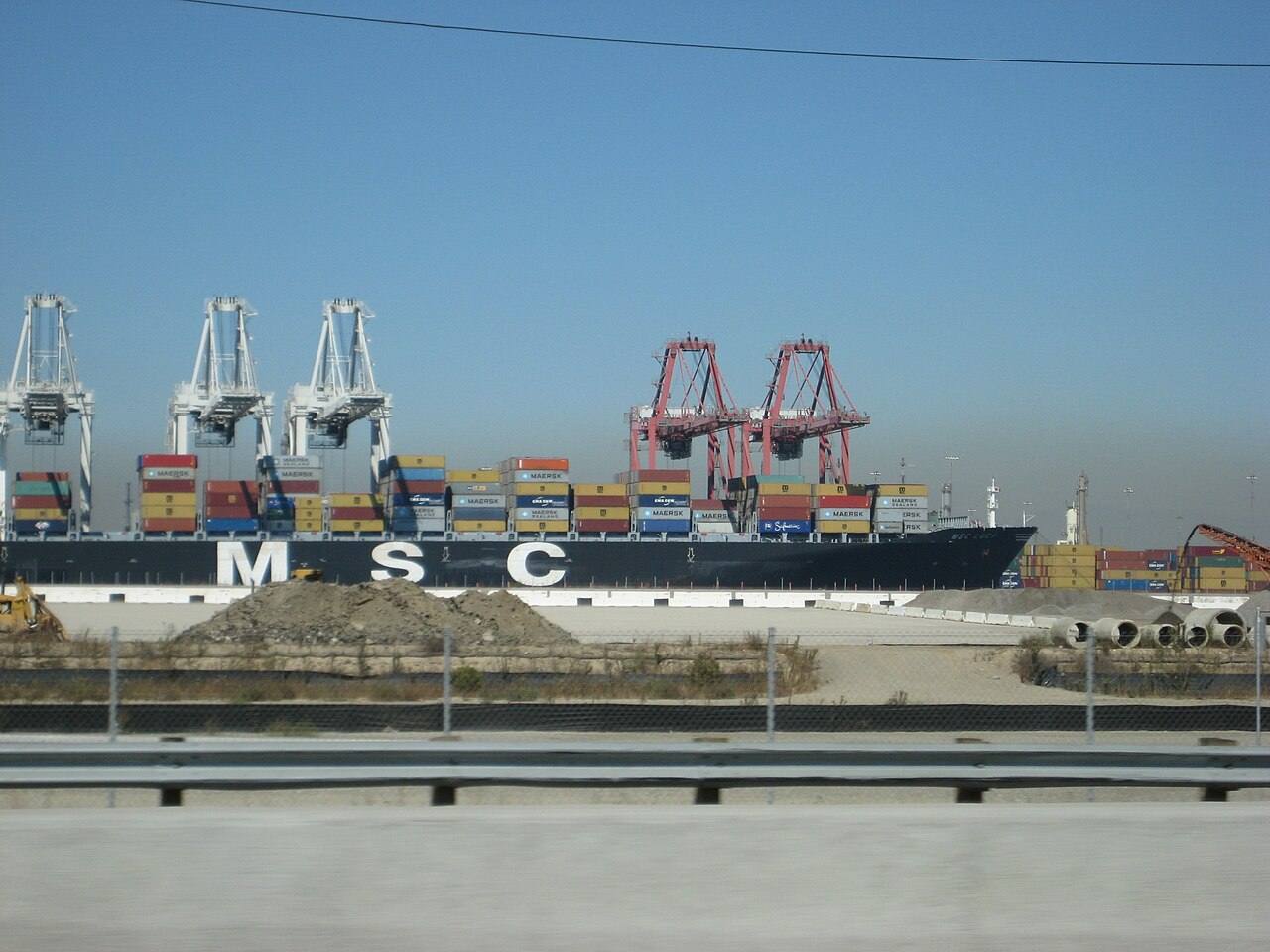
The Underlying Trends
In August 2008, factory orders took center stage as analysts attempted to decipher the implications of recent data releases. The headlines blared about a slight uptick in orders, but the real story is far more complicated. While the headline figures may suggest a moment of relief for manufacturers, a closer look at the underlying trends raises questions about sustainability and long-term growth.
The manufacturing sector is a significant component of the U.S. economy. Changes in factory orders can signal shifts in consumer demand, inventory levels, and overall economic health. Yet, the conversation often becomes narrowly focused on the month-to-month fluctuations rather than the broader context in which these numbers exist. A 1 percent increase in orders can be touted as a victory, but what does that really mean in terms of economic stability?

Political Narratives and Economic Realities
Both political parties are quick to seize upon factory order reports to bolster their narratives. On the left, there is a tendency to highlight the struggles of the working class, emphasizing job losses and the erosion of manufacturing jobs. On the right, the focus often shifts to regulatory burdens and the need for tax cuts to stimulate growth. However, both sides risk oversimplifying a complex situation.
The truth is that while factory orders are crucial, they are only one piece of a much larger puzzle.
Critics of the left argue that their fixation on job losses ignores the realities of a globalized economy where production is often outsourced. Meanwhile, right-leaning commentators may downplay the struggles faced by workers in manufacturing sectors, choosing instead to emphasize corporate profits and stock market performance. In the end, both sides miss an opportunity to engage in a more nuanced discussion about economic transformation.
The Procedure Nobody Wants to Discuss
One of the procedures that seldom gets discussed in the media coverage of factory orders is the role of inventory management. Manufacturers often adjust their orders based on inventory levels, which can create a misleading picture of actual consumer demand. For example, a company might increase orders in anticipation of a seasonal surge, but if consumer spending does not meet expectations, those orders could quickly turn into excess inventory.
Furthermore, the methodology behind calculating factory orders is often overlooked. Orders are reported in nominal terms, which can obscure the effects of inflation. A rise in factory orders might not translate into real growth if prices are also increasing. This type of analysis requires a deeper understanding of economic indicators, something that the media often glosses over in favor of more simplistic narratives.
The Impact of Globalization
Another factor complicating the factory orders picture is globalization. As more manufacturers turn to international suppliers, local orders become less indicative of domestic economic health. The interconnectedness of the global supply chain means that a rise in factory orders in Mexico or China could just as easily impact U.S. manufacturers, often in unpredictable ways.
This reliance on global supply chains raises questions about the resilience of U.S. manufacturing. In times of economic stress, companies may find themselves vulnerable to disruptions far beyond their control. The recent volatility in oil prices and raw materials has only exacerbated these challenges, making it crucial for policymakers to consider the implications of a globalized manufacturing landscape.
Looking Ahead
As we move further into the second half of 2008, the outlook for factory orders remains uncertain. Economists are split on whether recent gains are indicative of a turnaround or merely a temporary blip in a longer trend of decline. It is essential for business leaders, policymakers, and the public to engage in a more comprehensive discussion about the factors influencing factory orders and what they mean for the economy as a whole.
In conclusion, while factory orders offer a glimpse into the state of the manufacturing sector, they are not the be-all and end-all of economic health. The complexities of inventory management, globalization, and the interplay of political narratives create a landscape that demands a more thorough examination. Without this, we risk allowing oversimplified headlines to overshadow the nuanced discussions that are necessary for meaningful economic discourse.
✦ ✦ ✦
For local service context, see Marketingbymagnet.