From the file. Written for the paper dated August 2008. Opened in the public stacks July 14, 2026.
As the summer of 2008 unfolds, an unsettling truth emerges: civic boredom is creeping into the hearts and minds of Americans. With each headline that fades from the news cycle, the public's engagement in the democratic process risks evaporating alongside it.
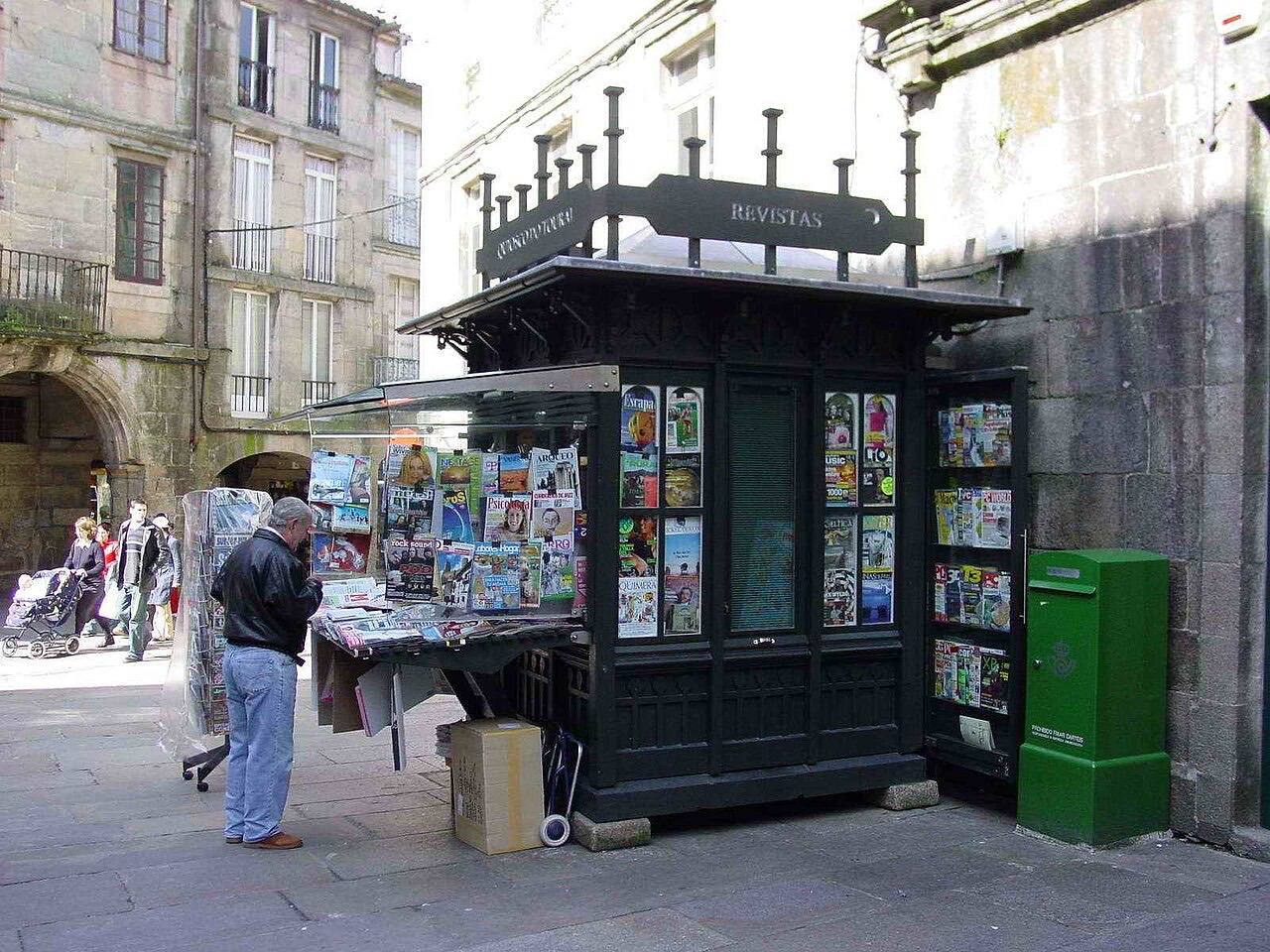
The Cycle of Engagement
It is a well-worn pattern in American politics - campaigns ignite enthusiasm, debates spark conversations, and elections bring citizens to the polls in droves. Yet, once the dust settles and the results are tallied, a curious malaise sets in. The fervor of the presidential race is quickly replaced by a collective disinterest in governance, policy, and the very institutions that shape our lives.
This phenomenon isn’t unique to the current race; rather, it reflects a deeper malaise in our democratic engagement. Both sides of the political spectrum seem to contribute to this cycle of civic boredom. The left champions issues that resonate with passion, yet often fails to sustain that momentum post-election. Meanwhile, the right resorts to fear-mongering tactics that drive headlines but ultimately leave followers feeling disillusioned once the initial panic subsides.
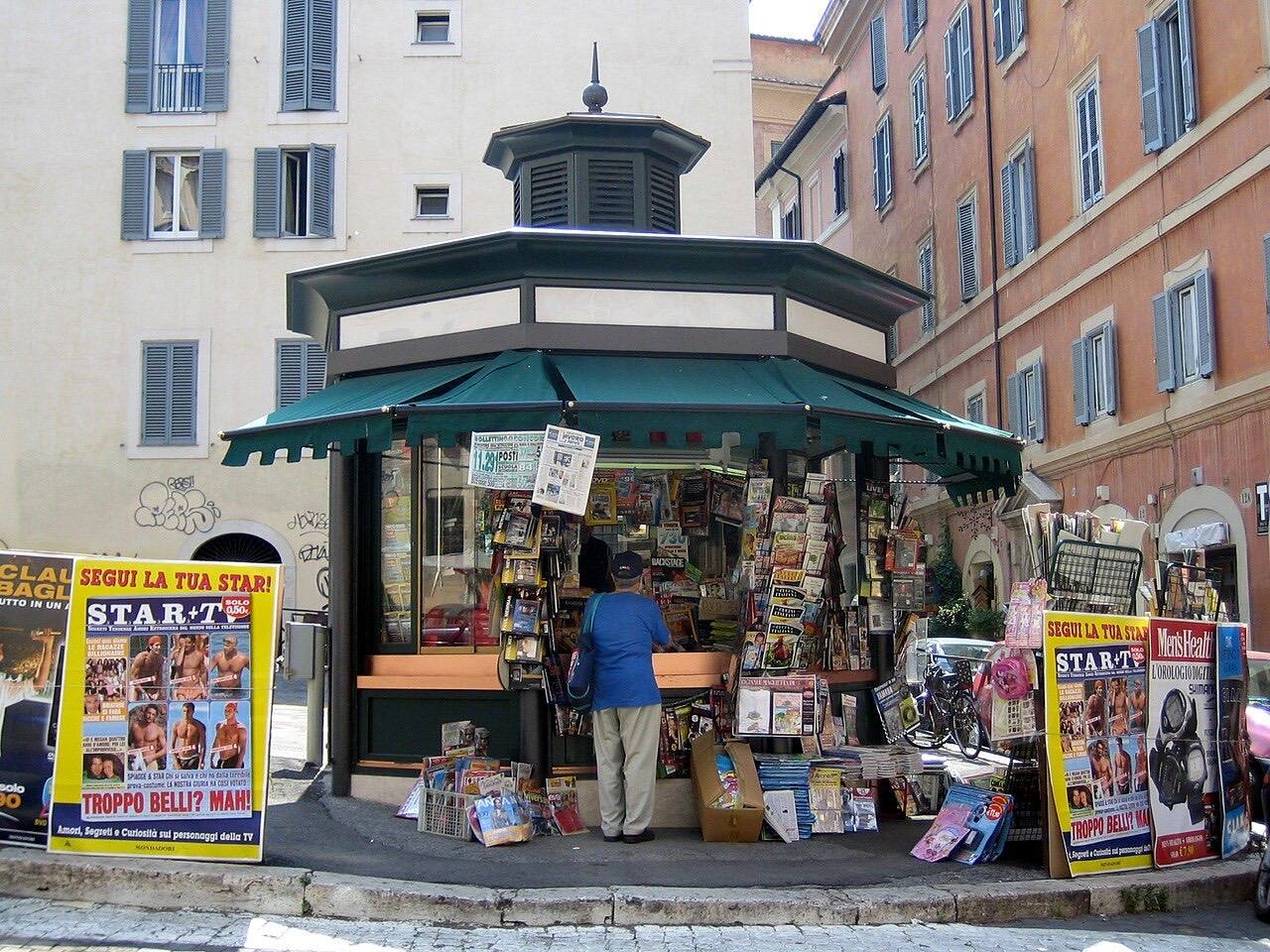
"The fervor of the presidential race is quickly replaced by a collective disinterest in governance."
The Left's Idealism vs. The Right's Alarmism
On one hand, the left's message often hinges on lofty ideals of hope and change, which are undeniably inspirational. However, the challenge arises when these ideals confront the realities of governance. Once the excitement of the campaign trail fades, many are left pondering how to translate these grand visions into actionable policies. The enthusiasm that once filled town halls dissipates, leaving behind a vacuum of civic engagement.
Conversely, the right frequently employs alarmist rhetoric that plays on fears of economic collapse, terrorism, and cultural decay. This strategy, while effective at rallying supporters, can foster a sense of helplessness. When citizens are conditioned to respond to crises, they may become disengaged when the crises recede. The result is a populace that is reactive rather than proactive, waiting for the next hot-button issue to ignite their interest.
Bridging the Engagement Gap
What is needed is a framework that bridges the gap between these extremes - a call to action that encourages sustained civic involvement beyond the electoral cycle. Local governments and community organizations hold the key to fostering a culture of engagement that transcends partisan lines. Initiatives focusing on local issues can draw interest, as citizens see the direct impact of their participation.
Moreover, educational programs aimed at demystifying the political process can empower individuals to participate actively. When citizens understand how decisions are made and who is making them, they are more likely to hold their representatives accountable. This accountability can combat the disillusionment that often follows election seasons.
A Call for Civic Reinforcement
As we navigate the complexities of modern governance, it is essential to cultivate a sense of civic duty that persists beyond the headlines. Citizens must recognize that their role does not end at the ballot box; rather, it is an ongoing commitment to stay informed, engage in dialogue, and hold leaders accountable.
Both political parties must also play their part. The left should focus on practical solutions that resonate with constituents long after the campaign slogans have faded. The right should aim to engage citizens in constructive conversations rather than solely relying on fear-driven narratives. Only then can we foster an environment where civic boredom is replaced by active participation.
The Future of Civic Engagement
In closing, the challenge of overcoming civic boredom is not insurmountable. It requires a collective effort from citizens and leaders alike to create a political culture that values ongoing engagement. By recognizing the importance of participation beyond election cycles, we can revitalize our democracy and foster a community that actively shapes its future.
✦ ✦ ✦