From the file. Written for the paper dated August 2008. Opened in the public stacks July 14, 2026.
In the wake of high-profile cabinet resignations, the political landscape in Washington is shifting once again. While the media frenzy captures the attention of the public, the underlying issues surrounding these resignations often go unexamined. What does it say about our leadership and governance when key officials step down amidst controversy or scandal?

The Cycle of Resignations
Cabinet resignations are often met with a barrage of headlines, sensationalized coverage, and a flurry of speculation regarding the motivations behind them. However, as the dust settles and the media spotlight fades, the real implications of these departures tend to slip from public discourse. In August 2008, we find ourselves in a particularly volatile environment, where the reasons behind resignations are as crucial as the resignations themselves.
On one hand, we see members of the current administration stepping down due to ethical lapses, allegations of misconduct, or simply an inability to carry out their duties effectively. This raises the question: is our government functioning as it should? On the other hand, the opposition party is quick to exploit these resignations, using them as ammunition to undermine the ruling party. This cycle not only politicizes the resignations but also diverts attention from the systemic issues plaguing our governance.
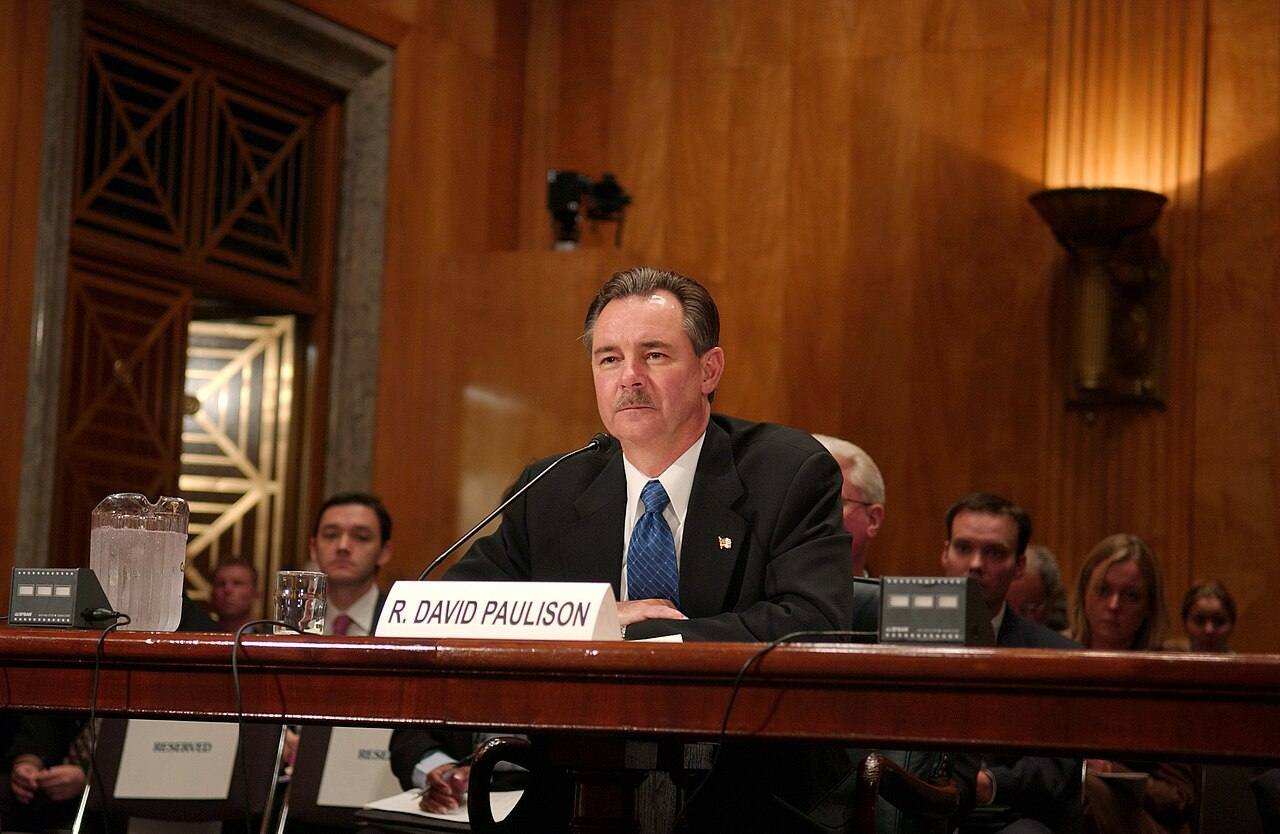
"In the rush to assign blame, we often overlook the structural flaws that lead to these high-profile exits."
The Politics of Resignation
Both left and right have their own ways of interpreting the reasons for these cabinet exits. The left often frames these resignations as a failure of leadership, pointing to incompetence and lack of accountability. Conversely, the right may dismiss these departures as mere political theater, arguing that the media and the left are on a witch hunt.
Yet, both perspectives can be excessively reductive. The left’s insistence on portraying every resignation as a failure of the administration can lead to a toxic environment where every action is scrutinized, making it difficult for leaders to take risks or innovate. Meanwhile, the right's defense of cabinet members often ignores the ethical considerations that should accompany leadership roles. This binary approach to political analysis does a disservice to the complexities of governance and the multifaceted nature of public service.
The Consequences of Oversight
When the focus remains solely on the spectacle of cabinet resignations, we risk neglecting the procedural framework that makes or breaks our leaders. The resignation process itself is shrouded in a veil of ambiguity, often leaving the public and even lawmakers in the dark about why these decisions are made. There seems to be a tacit agreement among politicians and the media to avoid discussing the uncomfortable reality that many resignations occur not just because of individual failings, but due to systemic pressures and failures.
As the nation grapples with issues ranging from economic instability to international conflicts, each resignation signifies more than just a personnel change; it uncovers the cracks in our governance structure. Instead of merely reacting to the latest headlines, it is essential for us to consider the conditions that lead to these departures. Are we cultivating an environment where accountability and transparency are valued? Or are we fostering a culture of fear, where the threat of resignation looms over every decision?
Moving Forward
To navigate this turbulent terrain, we must engage in a more nuanced discussion about cabinet resignations. Both sides of the political spectrum have a responsibility to look beyond the immediate fallout and consider the broader implications of these departures. It is not enough to assign blame; we must also examine the systems in place that influence decision-making at the highest levels of government.
Only then can we hope to foster a political climate that encourages integrity, accountability, and genuine public service. As we witness the latest wave of resignations, let us not lose sight of the importance of understanding the underlying causes and implications. The future of our governance may depend on it.
✦ ✦ ✦