From the file. Written for the paper dated July 2008. Opened in the public stacks July 14, 2026.
The debate on minimum wage is often fraught with high emotions and heated rhetoric, but at its core lies a mechanism that is surprisingly mundane yet critically important to our economy.
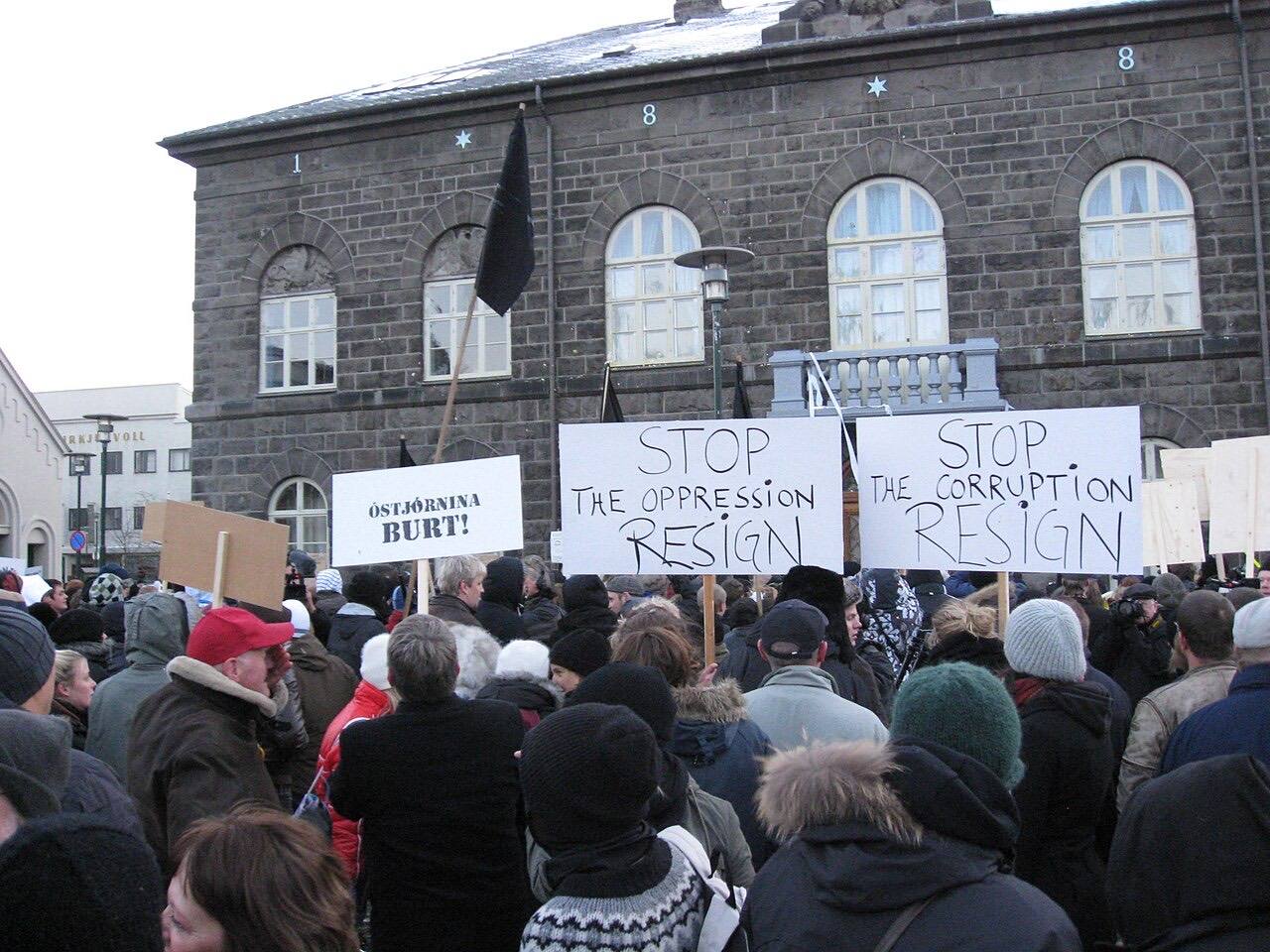
The Dichotomy of Perspectives
In recent months, the national discourse surrounding the minimum wage has intensified, with proponents and opponents drawing battle lines that reflect broader ideological divides. On one side, advocates argue that raising the minimum wage is essential for lifting workers out of poverty and stimulating the economy, while opponents contend that such increases could lead to job losses and stifle small businesses.
This binary perspective, however, oversimplifies a complex issue. The reality of minimum wage policy is not merely about morality and compassion versus cold, hard economics; it also involves understanding how wage floors operate within the broader labor market.

Mechanics of Wage Floors
The mechanics of minimum wage increase involve several economic principles, including supply and demand, labor market dynamics, and inflationary pressures. When the minimum wage rises, employers face higher labor costs. In theory, this could lead to two primary outcomes: some businesses may reduce their workforce to maintain profit margins, while others may pass on the costs to consumers through higher prices.
Yet, the situation is not so black and white. Research indicates that moderate increases in the minimum wage do not always correlate with significant job losses, particularly in low-wage sectors. In some cases, higher wages can lead to increased employee productivity and reduced turnover, ultimately benefiting employers and the economy as a whole.
Unpacking the Rhetoric
On the left, the narrative often hinges on the notion that a higher minimum wage is a moral imperative, a way to ensure that workers earn a living wage that reflects the rising cost of living. This perspective appeals to the fundamental American value of fairness and the belief that hard work should be rewarded. However, this approach can sometimes gloss over the nuanced realities of how businesses operate and the potential unintended consequences of drastic wage hikes.
Conversely, the right often frames the discussion around economic freedom and the potential dangers of government intervention in the labor market. They argue that job creation is stifled when employers are forced to pay more than they can afford, leading to a reduction in employment opportunities, particularly for unskilled workers. However, this view can veer into oversimplification, neglecting the importance of maintaining a workforce that can afford to participate in the economy.
“It's not just about economics; it's about the social fabric of our communities.”
Balancing the Scales
The challenge lies in finding a balance that acknowledges the needs of workers while also considering the realities of business operations. A reasonable approach may involve incremental increases in the minimum wage tied to regional economic conditions rather than a one-size-fits-all solution. Such a strategy would allow for adjustments based on local cost of living and market dynamics, potentially alleviating some of the tension between the two sides of the debate.
Moreover, addressing minimum wage concerns necessitates a broader discussion about worker support systems, such as affordable healthcare, childcare, and education. These factors can significantly impact workers' quality of life and economic mobility, making the minimum wage debate a mere piece of a larger puzzle.
Looking to the Future
As we move forward, it is crucial to foster a more constructive dialogue on minimum wage policy that transcends the typical left-right divide. Rather than resorting to polarizing rhetoric, stakeholders should engage in meaningful conversations focused on data-driven solutions that prioritize both economic growth and social equity.
Ultimately, the minimum wage is not just an economic issue; it is a reflection of our values as a society. How we choose to navigate this terrain will shape the future of work and the economy, underscoring the need for a balanced approach that considers the perspectives of all stakeholders.
Conclusion
In the end, the discussion surrounding minimum wage must embrace the complexities of the labor market and consider the broader economic landscape. As we engage in this dialogue, let us strive for solutions that reflect our commitment to fostering a fair and thriving economy for all.
✦ ✦ ✦