From the file. Written for the paper dated June 2008. Opened in the public stacks July 14, 2026.
As labor strikes make headlines across the nation, the conversations surrounding them often veer off course, focusing more on the identities of the workers involved rather than the tangible issues they face. The clash between management and labor is not merely about personalities or political affiliations; it is about the fundamental rights of workers.
Labor Strikes in 2008: A New Wave of Activism
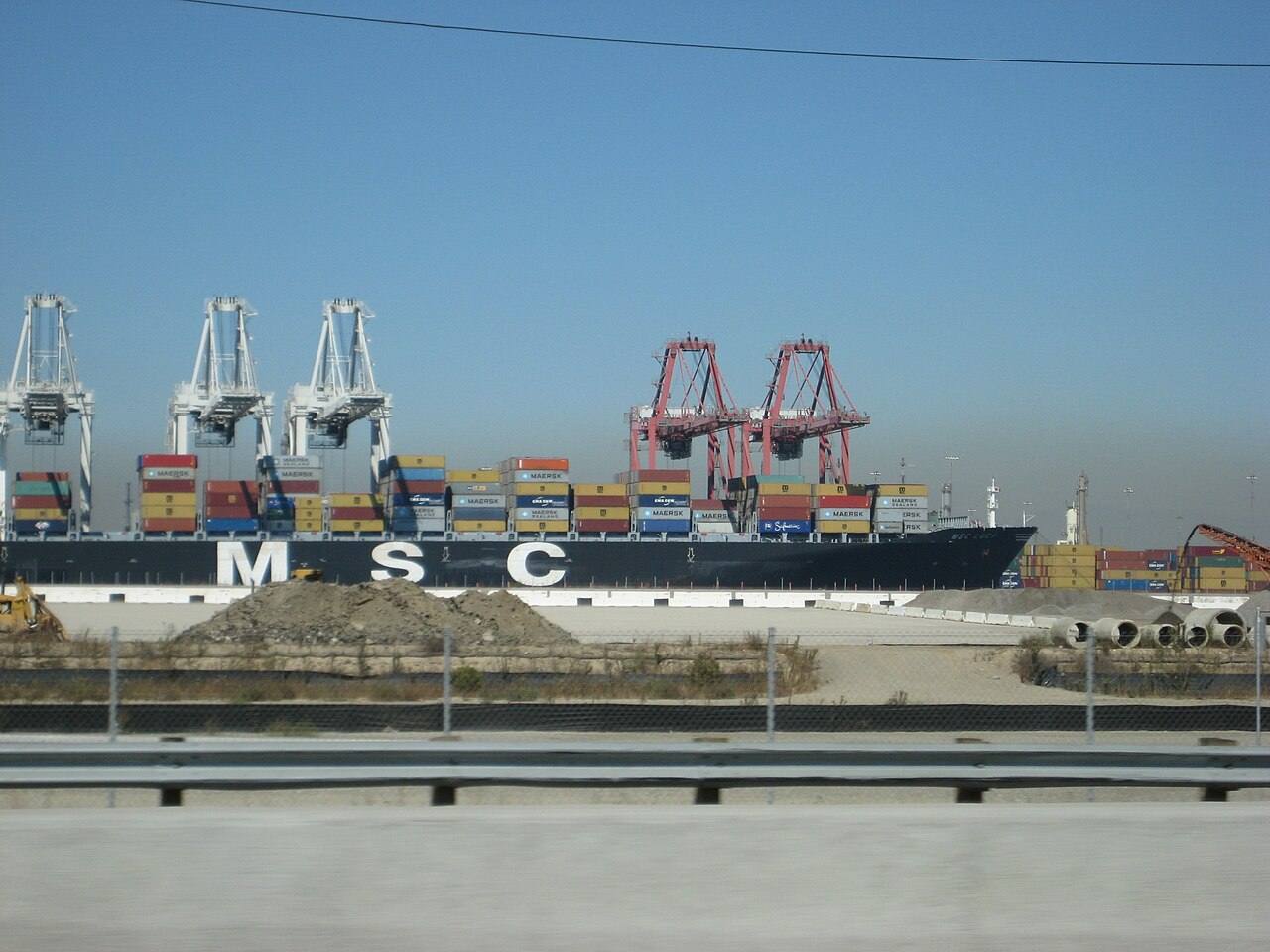
In recent weeks, the nation has witnessed a surge in labor strikes, with workers from various sectors demanding better wages, improved working conditions, and a more equitable share of the profits generated by their labor. These strikes are not isolated incidents; they reflect a broader trend of discontent among workers who feel marginalized in an economy that increasingly favors corporate interests over individual rights.
The recent strike by workers at a major auto manufacturing plant in Michigan has drawn national attention. As workers rallied together, their voices echoed a common sentiment: they deserve fair treatment and respect for the work they do. Unfortunately, the media coverage has often shifted focus from the substantive issues at hand to the personal stories of prominent union leaders, obscuring the collective struggle of the workforce.
"It's not just about the leaders; it's about every worker who stands up for their rights."
While individual stories can humanize the struggle, they can also detract from the collective nature of labor movements. The narrative often becomes a spectacle, where the personalities take center stage, and the pressing issues of wages, benefits, and job security fade into the background. Instead of focusing on the demands of thousands of workers, the media often amplifies the voices of a few, creating a skewed perception of the labor movement.
Corporate Response and Political Posturing
On the other side of the spectrum, corporate responses to these labor actions have often been dismissive, with management framing the strikes as unnecessary disruptions rather than legitimate expressions of worker frustration. This dismissal is not just a miscalculation; it is a reflection of a corporate culture that prioritizes profits over people. The tendency to view labor strikes as mere inconveniences undermines the crucial conversations about the rights and dignity of workers.
Political figures, too, have been quick to weigh in, often using labor strife to bolster their own platforms. Some on the left tout solidarity with striking workers, while others on the right criticize strikes as harmful to the economy. This binary view fails to capture the complexity of the situation. Labor rights should not be a partisan issue, yet both sides can sometimes prioritize political gain over genuine concern for the welfare of workers.
The Need for a Genuine Dialogue
As labor strikes continue to unfold, it is essential that all parties involved - workers, management, and politicians - engage in a genuine dialogue about the issues at stake. Workers are not simply statistics; they are individuals with families, dreams, and aspirations. Their rights to fair wages and safe working conditions should be at the forefront of any discussion, rather than being relegated to the background as political theater.
Moreover, the labor movement can benefit from a more inclusive approach that emphasizes solidarity among workers across different sectors and industries. The challenges faced by one group of workers resonate with others, whether they are in manufacturing, service, or technology. Building coalitions and fostering a sense of unity can amplify their voices and lead to more meaningful change.
A Call for Accountability
Corporate leaders must also be held accountable for their treatment of workers. It is time for businesses to recognize that their success is intertwined with the well-being of their employees. A sustainable business model cannot thrive on the exploitation of workers; instead, it should be built on mutual respect and shared prosperity.
As the labor movement navigates these tumultuous waters, it is crucial to remember that the power of collective action lies in its ability to bring about change - not just for individuals, but for the entire workforce. The demands of striking workers should be taken seriously, and their voices should not be drowned out by the noise of political posturing or corporate indifference.
✦ ✦ ✦