From the file. Written for the paper dated May 2008. Opened in the public stacks July 14, 2026.
As the United States grapples with the implications of an aging population, the debate surrounding healthcare and social services intensifies. Amidst soaring claims from both political sides, the reality on the ground often tells a more complex story.
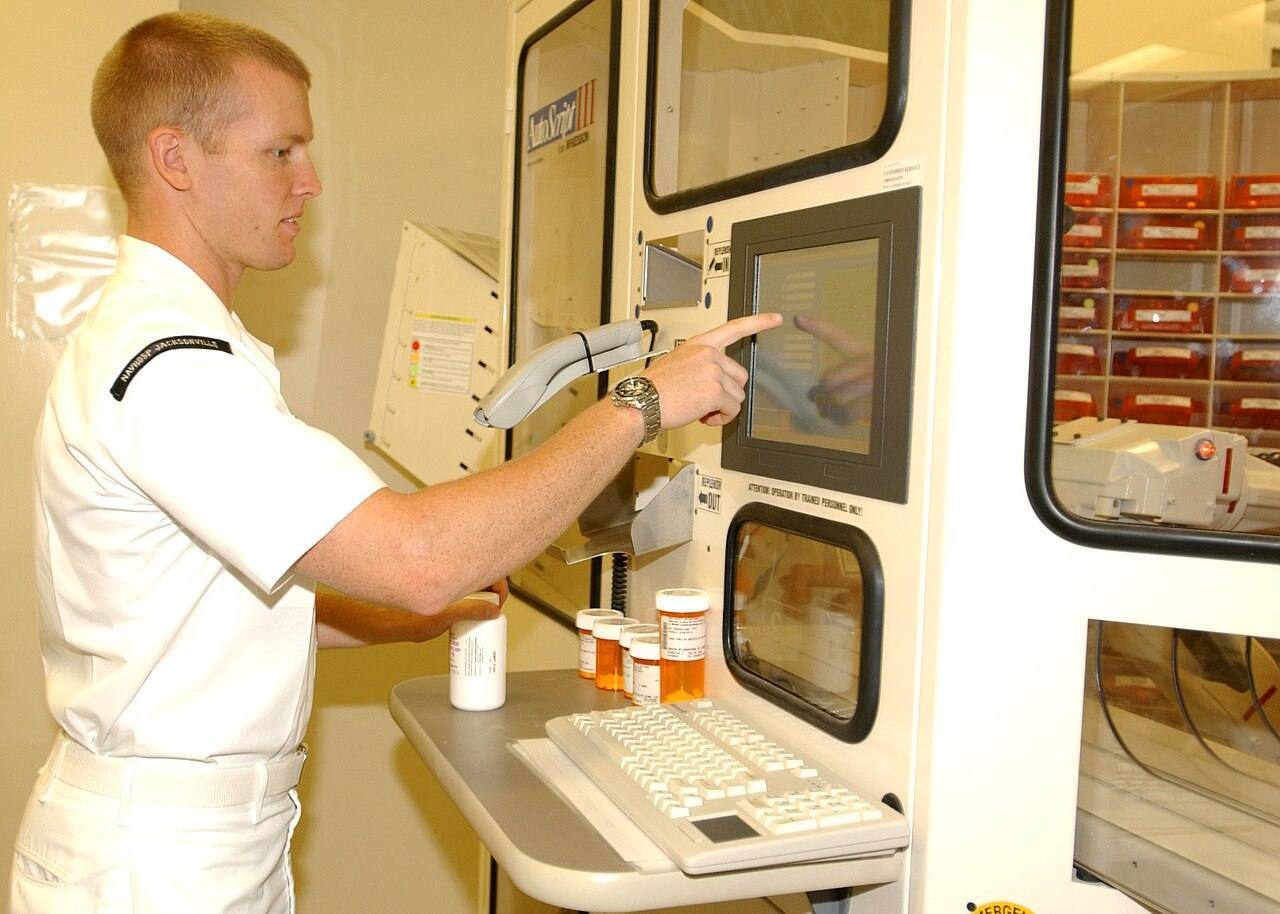
The Boomers Are Here
The Baby Boomer generation, born between 1946 and 1964, is now entering retirement age at an unprecedented rate. This demographic shift is set to challenge the country’s healthcare system, social security, and economic stability. Politicians on both the left and right have been quick to tout their plans for addressing the needs of this aging population, but how do these claims stack up against the actual data and the lived experiences of senior citizens?
Left-Wing Promises
Progressives often argue that expanding Medicare and instituting universal healthcare will be the panacea for the challenges posed by an aging population. They claim that by ensuring that all citizens have access to affordable healthcare, seniors will not face financial ruin due to medical expenses. However, while the intention is noble, the execution remains fraught with complications. Bureaucratic inefficiencies and the potential for increased taxes to fund such programs cast doubt on the effectiveness of these promises. Moreover, the left’s tendency to overlook the nuances of individual healthcare needs risks oversimplifying a complex issue.
Right-Wing Rhetoric
On the other side of the aisle, conservatives emphasize the importance of privatization and personal responsibility. They advocate for market-driven solutions that they believe would lead to better care for seniors. Yet, this approach often ignores the reality that many older adults may not have the resources or knowledge to navigate a privatized system effectively. The rhetoric surrounding the idea that competition will lead to better outcomes frequently falls flat when confronted with the harsh realities of access and affordability.
"In all the talk of reform, the voices of the aging population seem to get drowned out."
Where Are the Voices of Seniors?
In all the talk of reform, the voices of the aging population seem to get drowned out. Surveys indicate that many seniors feel unrepresented in the political discourse surrounding their needs. Instead of being agents of change, they often become passive recipients of policies that do not adequately address their unique challenges. This disconnect between political claims and the lived realities of older Americans raises critical questions about the effectiveness of current proposals.
The Reality of Aging
According to various studies, many seniors face significant challenges that are often overlooked in political debates. Chronic health issues, mobility limitations, and mental health concerns are prevalent among older adults. Additionally, the social isolation that can accompany aging is a growing concern that both sides of the political spectrum have yet to adequately address. As politicians rally around their respective narratives, the real challenges faced by seniors remain largely unacknowledged.
Bridging the Divide
There is a pressing need for bipartisan dialogue that emphasizes the importance of listening to the aging population. Both sides must move beyond their talking points and engage with the actual experiences of seniors. Collaborative efforts that prioritize comprehensive solutions - addressing healthcare, social services, and mental health - are crucial if we are to genuinely assist this growing demographic.
A Call for Real Solutions
As we move further into the 21st century, the challenge of an aging population will require innovative and compassionate solutions. It is imperative that the political discussions surrounding this issue reflect the diversity of needs and perspectives within the senior community. Only through genuine engagement and a willingness to compromise can we hope to create policies that truly serve the aging population of America.
✦ ✦ ✦