From the file. Written for the paper dated April 2008. Opened in the public stacks July 14, 2026.
As the storm clouds gather and the headlines fade, a closer examination of weather models reveals a complex interplay between scientific integrity and institutional self-preservation.
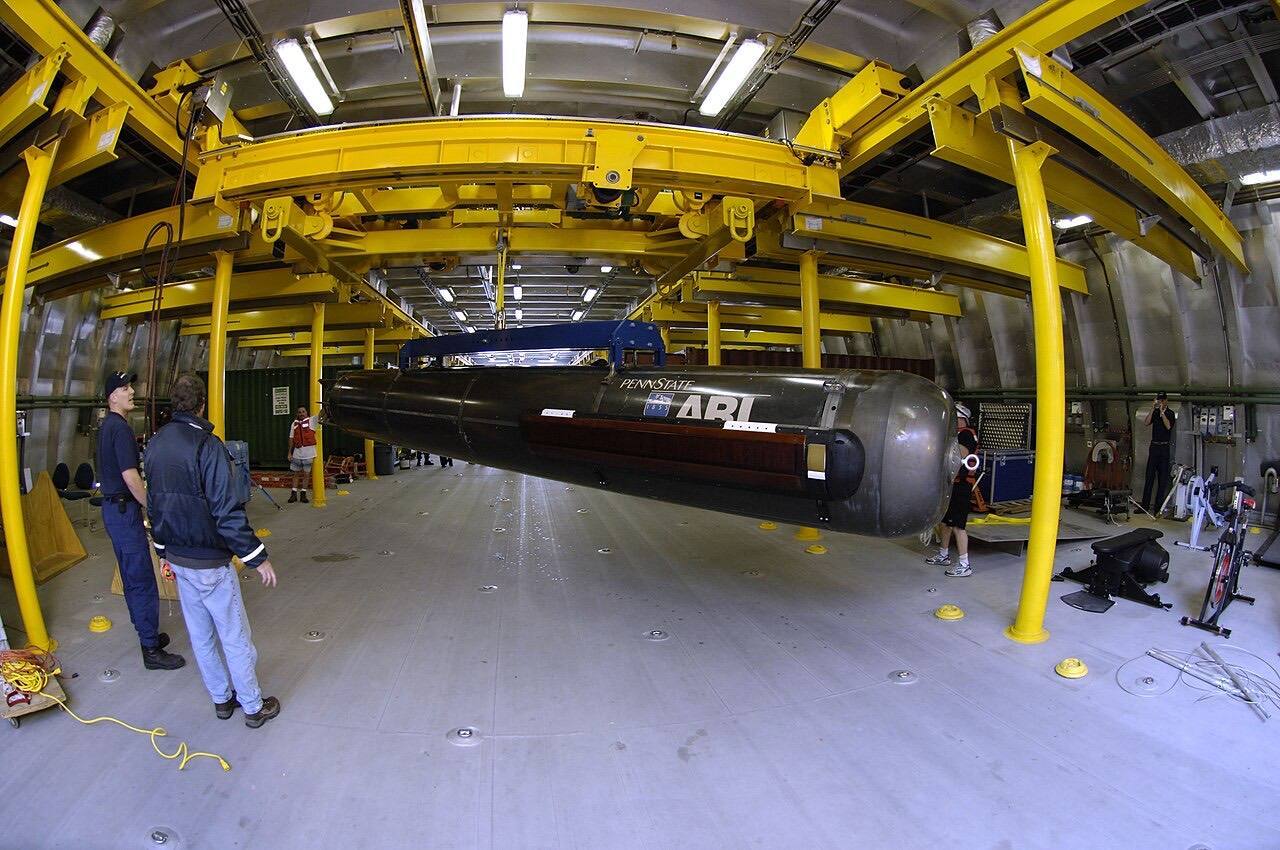
The Science Behind the Models
Weather forecasting has advanced significantly over the past few decades, with sophisticated models that can predict storms and temperature changes with remarkable accuracy. These models utilize vast amounts of data, from satellite imagery to ground-based observations, allowing meteorologists to provide forecasts that guide public safety and inform critical decision-making.
However, as we delve deeper into the intricacies of these models, we find that the institutions behind them often prioritize their reputation over transparency. The pressure to deliver accurate forecasts can lead to a reluctance to admit mistakes or acknowledge the limitations of existing models. This protective behavior raises questions about the integrity of the science itself.
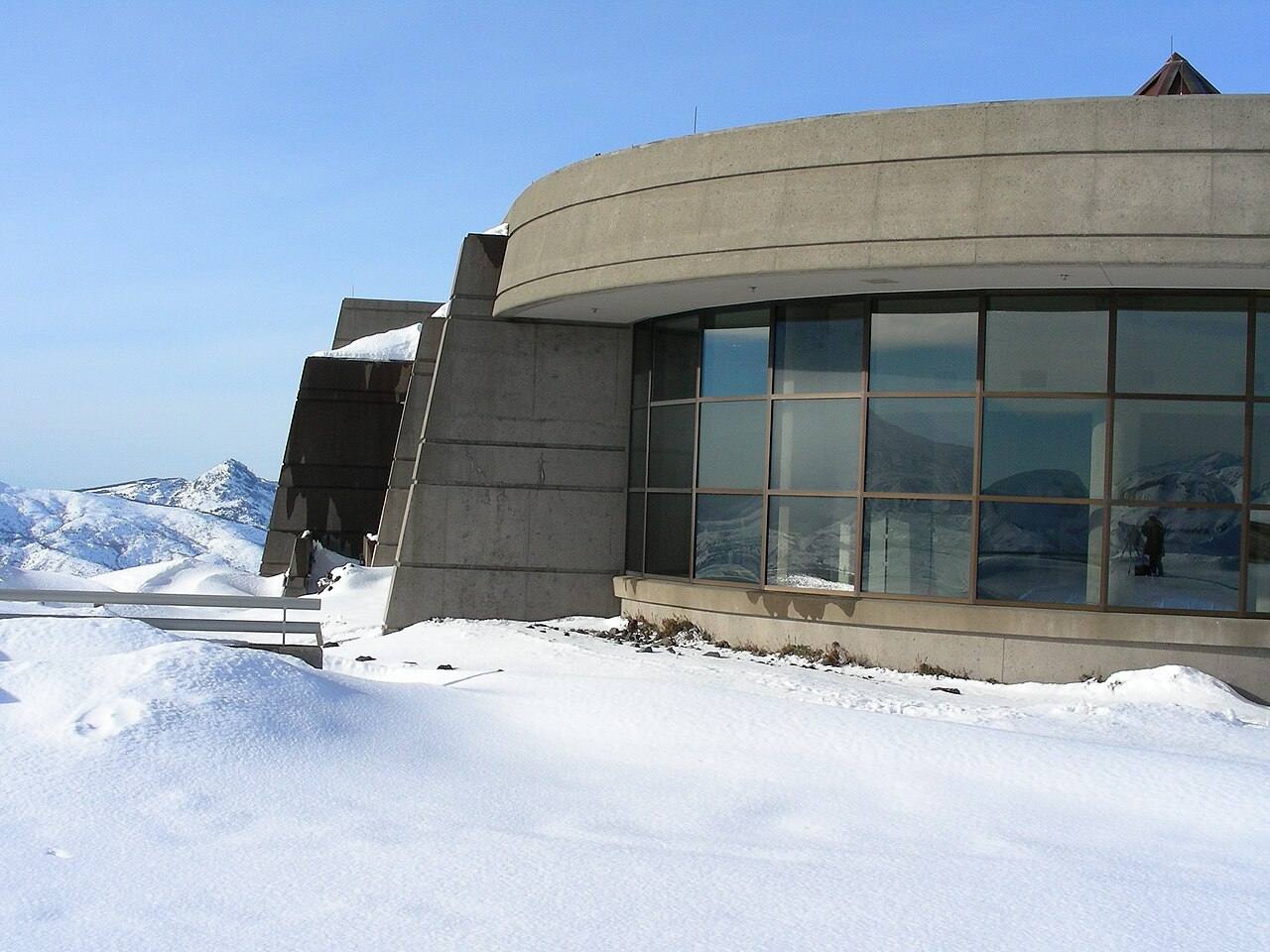
Institutional Priorities
Institutions like the National Weather Service (NWS) and private forecasting companies operate under intense scrutiny from the public and government agencies alike. In an age where a single miscalculation can lead to catastrophic consequences, the stakes are high. This environment can foster a culture where protecting institutional credibility takes precedence over scientific honesty.
For instance, when severe weather events occur, such as tornadoes or hurricanes, the public demands answers. Forecasting agencies are often quick to tout their successes in predicting such events, yet they may downplay or obscure the instances where their models fall short. This defensive posture can lead to a lack of trust in the scientific community, as the public begins to question the reliability of forecasts.
The Left and Right: A Divided Response
Adding to the complexity of weather forecasting is the political landscape that often shapes public discourse around science. On one end of the spectrum, some on the left advocate for more government oversight and funding for climate science, arguing that the urgency of climate change necessitates a robust and transparent approach to forecasting. Conversely, many on the right dismiss climate concerns altogether, often labeling them as alarmist or politically motivated.
Both extremes exhibit their own brand of excess. The left's push for increased funding sometimes leads to calls for policies that may not be grounded in the most current scientific understanding, potentially stifling innovation in favor of institutional growth. Meanwhile, the right's dismissal of scientific consensus undermines the credibility of weather forecasts and climate models, ultimately jeopardizing public safety.
Accountability and Transparency
In an effort to strike a balance between these extremes, there is a growing call for greater accountability and transparency within forecasting institutions. Advocates argue that by openly discussing the limitations of weather models and acknowledging errors, institutions can foster a more informed public that is better equipped to respond to weather-related threats.
Moreover, transparency can enhance public trust in forecasting agencies, allowing them to take ownership of their successes and failures. This, in turn, may encourage a more collaborative approach between scientists and the public, where feedback can lead to improvements in models and forecasting techniques.
"Transparency in weather forecasting is not just a matter of scientific integrity; it's essential for public safety."
The Role of Education
Education plays a crucial role in bridging the gap between scientific institutions and the public. By investing in educational programs that explain the science behind weather forecasting, agencies can demystify the models and help the public understand their limitations. This educational approach can mitigate the fear and confusion that often accompany severe weather events, empowering individuals to make informed decisions for their safety.
Furthermore, engaging the community in discussions about weather forecasting can help demystify the science and cultivate a culture of trust. When citizens are informed about the complexities of weather models, they are less likely to react with skepticism and more likely to heed warnings when they matter most.
Conclusion: A Call for Balance
As we navigate the challenges of weather forecasting in an increasingly unpredictable climate, it is essential for institutions to prioritize transparency and accountability. Both the left and right must recognize the importance of grounded scientific discourse, moving beyond political posturing to embrace a more nuanced understanding of weather science.
By fostering an environment of trust and collaboration, we can ensure that forecasting agencies remain reliable sources of information in times of crisis. The stakes are too high for anything less.
✦ ✦ ✦