From the file. Written for the paper dated April 2008. Opened in the public stacks July 14, 2026.
As the dust settles on the latest military engagements abroad, the ongoing debate surrounding war powers has once again taken center stage in American politics. With both left and right factions seizing the moment to bolster their arguments, the question remains whether institutions can effectively protect themselves from the excesses of political ambition.

The Institutional Tug-of-War
The debate over war powers is emblematic of a larger struggle between the executive and legislative branches of government. On one side, the Bush administration has sought expansive powers to address what it perceives as urgent threats to national security. On the other, many Democrats argue for a return to the checks and balances that the Constitution mandates, fearing a slippery slope toward unchecked executive authority.
As the administration continues to escalate military operations, lawmakers are increasingly calling for a reassessment of the War Powers Resolution. This 1973 legislation was designed to limit the president's ability to engage in military action without congressional approval. However, the effectiveness of this law has been undermined by a series of presidential claims to inherent powers during times of war, leading many to question whether Congress can reclaim its authority.
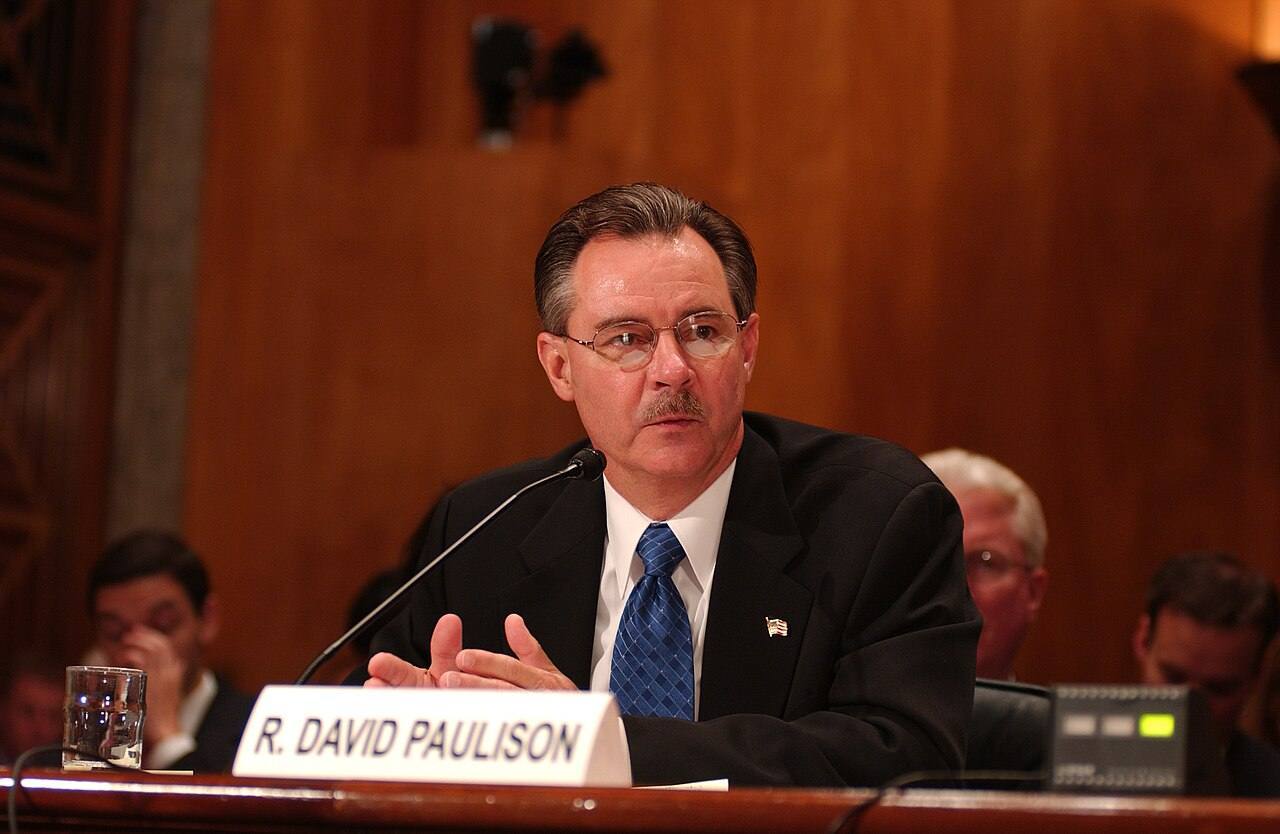
“The balance of power is not just a theoretical exercise; it is about the very nature of our democracy.”
The Left's Reaction
On the left, there is a palpable sense of frustration with the administration's approach to military engagement. Critics argue that the war in Iraq has stretched the military thin and diverted resources from pressing domestic priorities. Yet, some leftist factions have also succumbed to their own excesses, advocating for a withdrawal strategy that fails to consider the complexities of the region. This one-size-fits-all approach risks abandoning the very people who are reliant on American support for their safety and stability.
The irony is not lost on observers: while decrying the president's unilateralism, some progressives have adopted a similar mindset in their rush to condemn military action without offering a comprehensive alternative. The result is a cacophony of voices that often lack the clarity and cohesion necessary for a productive dialogue.
The Right's Justification
Meanwhile, the right continues to rally behind the administration, often invoking national security as a justification for the expansion of war powers. This unwavering support comes with its own set of pitfalls; a fervent belief in the righteousness of their cause can lead to a dismissal of dissenting opinions. The mantra of “supporting the troops” has, in some cases, morphed into a call to silence criticism, effectively quashing legitimate debate on military strategy.
Moreover, the right’s insistence on the necessity of military action runs the risk of entrenching a mindset that equates military might with moral superiority. This conflation can obscure the broader implications of foreign policy decisions and hinder a nuanced understanding of global dynamics.
A Call for Institutional Integrity
As both sides dig their heels in, the need for institutional integrity becomes ever more critical. The American public deserves a political landscape where decisions regarding military engagement are made thoughtfully and with accountability. This requires a rejection of extreme rhetoric and a commitment to constructive dialogue that prioritizes the welfare of both citizens and international partners.
It is essential for lawmakers to rise above partisan bickering and focus on the shared responsibility to uphold democratic principles. The ongoing war powers debate should not serve as a battleground for political point-scoring but rather as an opportunity to reaffirm the values that define American governance.
Conclusion
As we move forward in this contentious political climate, it is crucial to remember that the institutions designed to protect our democracy are only as robust as the commitment of those who operate within them. A balanced approach to war powers that acknowledges the roles of both the executive and legislative branches is essential for restoring public trust and ensuring accountability.
✦ ✦ ✦