From the file. Written for the paper dated March 2008. Opened in the public stacks July 14, 2026.
In the ongoing debate surrounding climate change and weather modeling, both political sides reveal a troubling tendency to prioritize ideology over scientific integrity. As March 2008 unfolds, the implications of these models and the motivations that drive their promotion or dismissal deserve scrutiny.
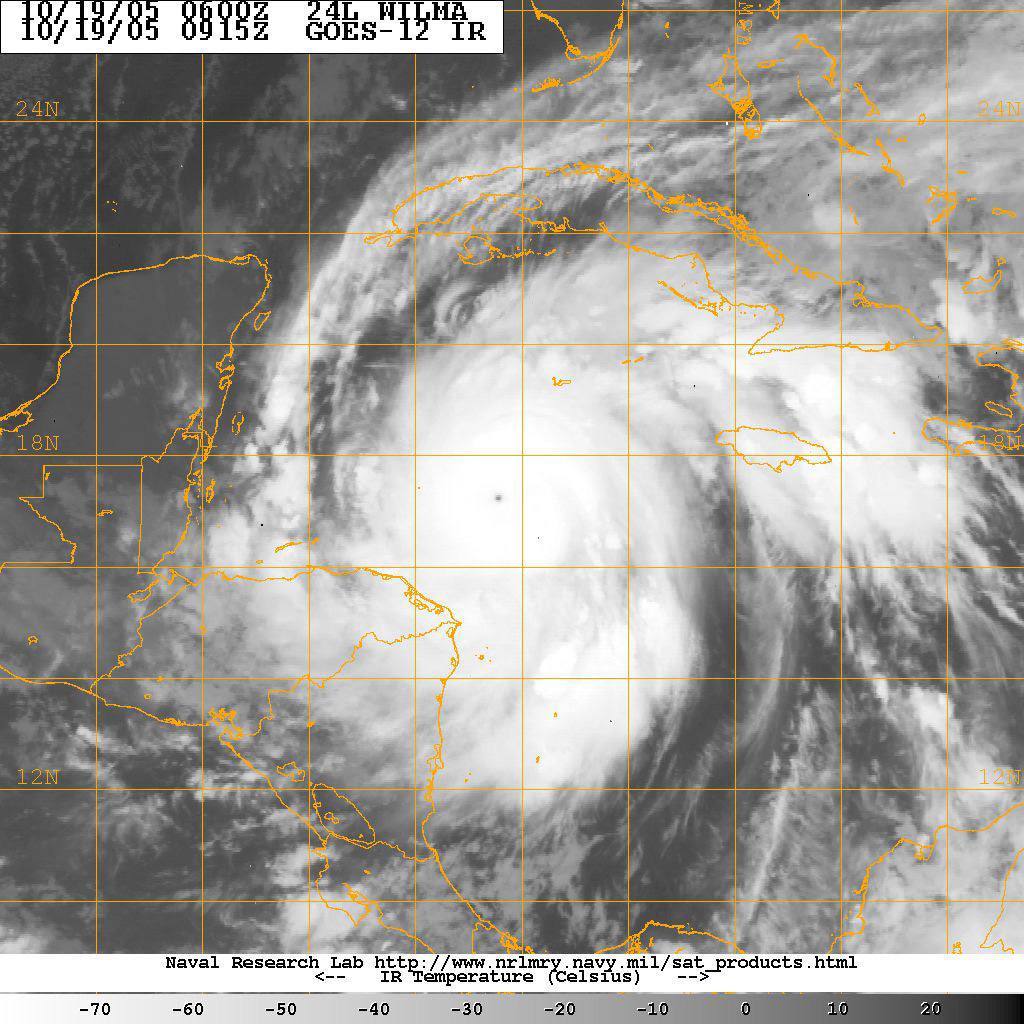
Weather Models: A Tool for Understanding
Weather models are complex simulations that allow scientists to predict atmospheric conditions, helping communities prepare for severe weather events. With climate change becoming a central topic of discussion, these models are increasingly under the microscope. However, the politicization of science makes it challenging to assess their accuracy without bias.
On one hand, the left tends to embrace the urgency of climate change, advocating for aggressive policy measures to reduce carbon emissions. This enthusiasm is commendable but can sometimes lead to an overreliance on models that project dire consequences without adequately considering uncertainties. While the intent is to galvanize action, it risks alienating those who may be skeptical of the extreme predictions.

Conversely, the right often approaches climate science with skepticism, questioning the validity of models that suggest immediate action is necessary. This skepticism can lead to a dismissal of the science altogether, which is equally dangerous. By focusing on economic implications and potential regulatory overreach, this view may undermine significant issues that demand attention. The tendency to label climate science as a hoax or exaggeration creates a rift that hampers constructive dialogue.
The Incentive Structure
At the core of the issue lies the incentive structures on both sides of the aisle. Politicians and groups that align themselves with environmental causes may feel pressured to promote the most alarming forecasts, often in pursuit of funding or public support. This can lead to a feedback loop where models are tweaked to fit narratives rather than reflecting the most accurate predictions.
Meanwhile, those on the right may find it politically advantageous to downplay climate change, framing it as a leftist agenda that threatens economic stability. This too is a misstep, as it ignores the overwhelming consensus among scientists about the reality of climate change. The unwillingness to accept scientific findings due to political affiliations can ultimately result in policies that fail to address the issues at hand.
“A model is only as good as the assumptions it is built upon, yet both sides of the aisle have a habit of cherry-picking data to support their agendas.”
This situation raises questions about the integrity of scientific inquiry. Are we allowing political leanings to dictate the narrative surrounding climate science? Are our weather models becoming tools of propaganda rather than instruments of understanding? These questions must be addressed if we are to make informed decisions based on the best available evidence.
The Role of the Media
In this polarized environment, the media plays a crucial role in shaping public perception. The sensationalism often present in reporting on climate issues can exacerbate the divide. Headlines that emphasize doom and gloom may attract attention but can also contribute to public fatigue and skepticism. Balanced reporting, which considers the nuances of scientific models while still conveying their importance, is essential.
Moreover, scientists themselves have a responsibility to communicate their findings effectively. A transparent approach that acknowledges uncertainties and limitations can help bridge the gap between scientific communities and the public. While it is vital to convey the risks associated with climate change, it is equally important to engage those who may feel alienated by overly deterministic narratives.
Ultimately, both sides must recognize that climate change is a complex issue that requires collaboration rather than division. By allowing political agendas to overshadow scientific evidence, we jeopardize our ability to address the challenges posed by a changing climate. It is imperative that we focus on fostering dialogue that respects the integrity of science while encouraging constructive policy solutions.
✦ ✦ ✦