From the file. Written for the paper dated March 2008. Opened in the public stacks July 14, 2026.
As the war powers debate continues to dominate the national discourse, it becomes increasingly clear that both sides of the political aisle are driven by motivations that often overshadow the principles they claim to uphold.

The Divided Landscape
The United States is at a pivotal moment in its foreign policy; the long-standing conflicts in Iraq and Afghanistan have reignited discussions about the limits of executive power. The debate is not just about military engagement, but about the essence of democracy itself. On one side, we have a party that champions a strong executive branch, often at the expense of congressional authority. On the other, there exists a faction that positions itself as the guardian of Congressional oversight, yet often fails to act with the resolve that the situation demands.
Incentives on the Right
For many on the right, there is a clear incentive to maintain a robust military presence overseas. The narrative of strength and security resonates with their base, which fears the consequences of perceived weakness. However, this allegiance to military action often leads to a troubling disregard for the constitutional checks and balances established by the framers of our government. The push for unilateral action without the necessary congressional approval lays the groundwork for an erosion of democratic principles. The rhetoric may be steeped in patriotism, but the implications for civil liberties are stark.
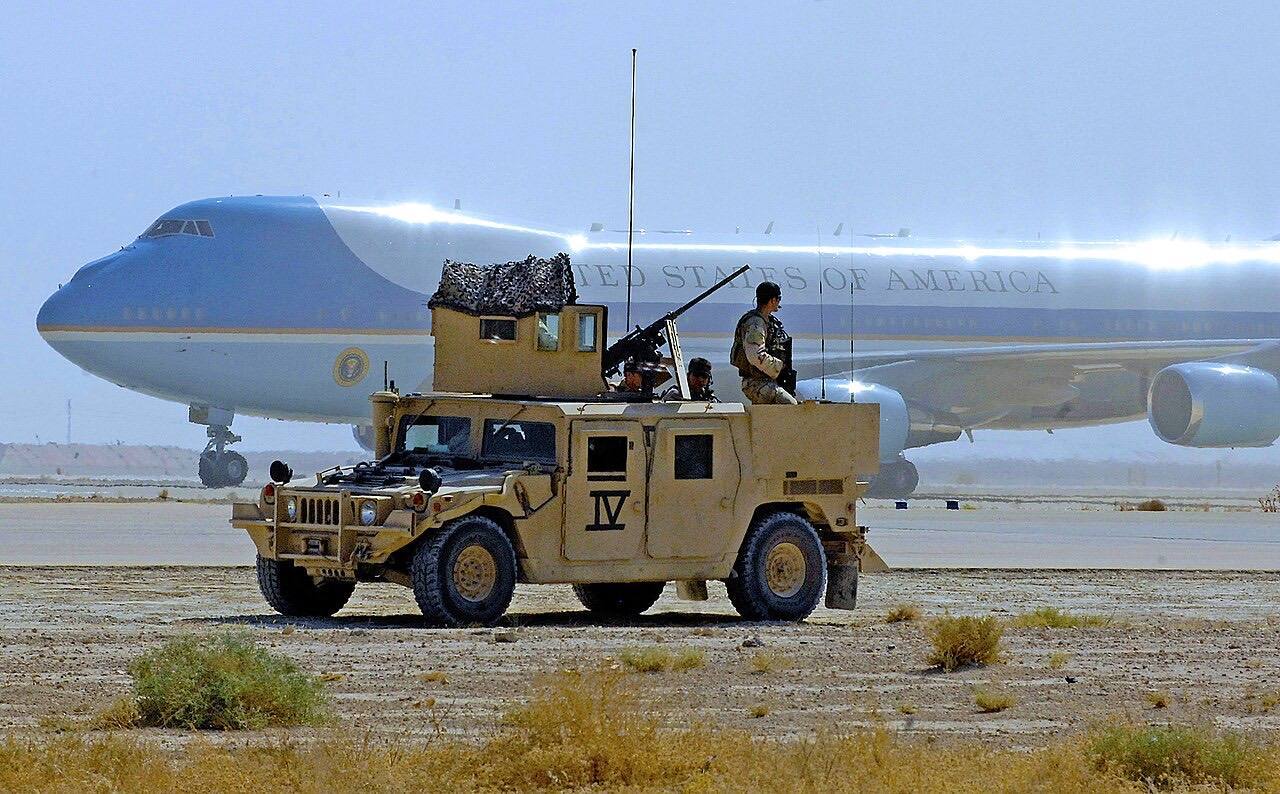
"The push for unilateral action without the necessary congressional approval lays the groundwork for an erosion of democratic principles."
Incentives on the Left
Similarly, the left's response to the war powers debate is marked by its own set of contradictions. While they may vocally oppose military overreach and advocate for a return to Congressional authority, their actions often betray a desire to maintain relevance on the national stage. Politicians from this camp can be seen shifting their rhetoric based on public sentiment rather than principled opposition to war. The desire to be seen as anti-war can lead to half-measures that fail to address the complexities of international relations, leaving the country in a state of perpetual conflict.
The Public's Role
The American public finds itself caught in the crossfire of these political machinations. With many citizens weary of endless wars and the rising costs, there is a palpable frustration with both parties. This sentiment has given rise to grassroots movements demanding accountability and transparency from their elected officials. However, the challenge lies in translating this grassroots energy into effective policy change. The public’s desire for peace is often undermined by the entrenched interests of both political parties, which can lead to a cynical view of the democratic process.
Conclusion: The Need for Balance
As the war powers debate unfolds, it is crucial for both sides to recognize the necessity of balance in governance. The executive branch must not overreach, and Congress must not be paralyzed by partisan politics. The democratic process requires robust debate and a commitment to the principles that underpin our nation. Only by acknowledging the excesses of their respective positions can both parties hope to forge a path towards a more responsible and accountable foreign policy.
✦ ✦ ✦