From the file. Written for the paper dated February 2008. Opened in the public stacks July 14, 2026.
As winter storms sweep across the nation, the public is inundated with forecasts promising to deliver precise predictions about weather patterns. However, behind the headlines of meteorological certainty lies a complex web of models, assumptions, and, unfortunately, omissions.
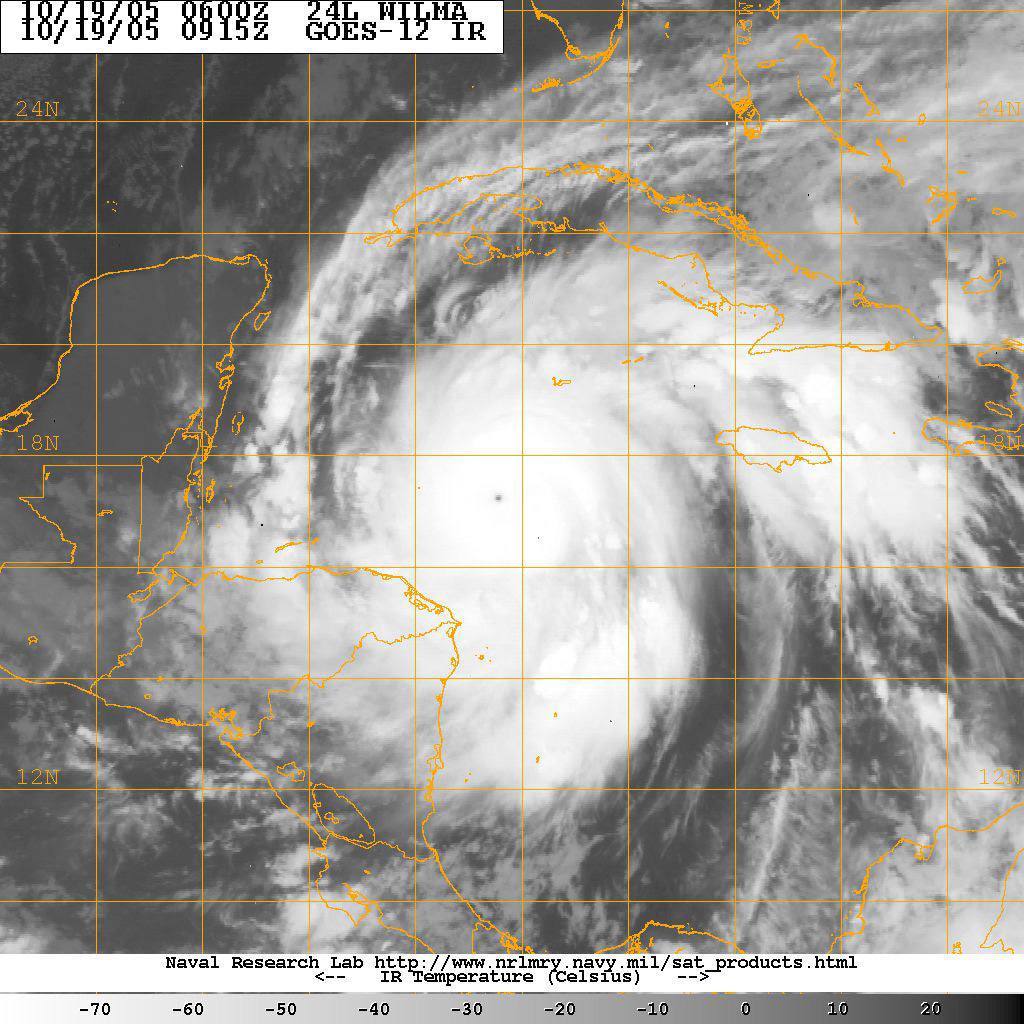
The Complexity of Weather Prediction
The increasing sophistication of weather models has transformed our understanding of atmospheric behavior. These models rely on a range of data inputs - from satellite imagery to ground-level observations. Yet, despite advancements, the forecasts we receive are often simplified and sometimes misleading, leaving out crucial nuances that play a significant role in weather prediction.
Weather models are not magic crystal balls; they are built on mathematical equations that represent the physical processes of the atmosphere. However, these models often struggle to account for the chaotic nature of weather, leading to discrepancies between forecasted and actual conditions. For instance, while a model might predict snow accumulation in a specific area, it may fail to consider local topography or urban heat islands that influence microclimates.

What Gets Left Out
One of the most critical omissions in weather briefings is the uncertainty inherent in predicting atmospheric conditions. Meteorologists often communicate forecasts with confidence, but the truth is that many variables can shift at a moment’s notice. This uncertainty is not merely an afterthought; it should be a central part of the conversation. By failing to convey the probabilistic nature of weather forecasts, we risk misleading the public into believing there is more certainty than truly exists.
Moreover, the communication of these forecasts can sometimes lean towards sensationalism, particularly when extreme weather events are on the horizon. In an age where media outlets compete for attention, dramatic headlines can overshadow the more nuanced realities of weather prediction. For instance, while a looming storm may be labeled as a “historic blizzard,” it is essential to recognize that such language can amplify public fear and misunderstanding.
“By failing to convey the probabilistic nature of weather forecasts, we risk misleading the public into believing there is more certainty than truly exists.”
The Role of Technology in Weather Forecasting
While technology has undoubtedly improved the accuracy of weather predictions, it is essential to remember that it is not infallible. High-resolution models can yield impressive results, but they rely on vast amounts of data. For example, radar systems can track storms with remarkable precision, yet they may not account for every atmospheric variable. The growth of computational power means we can simulate weather more accurately, but it does not guarantee that every prediction will be correct.
Furthermore, the focus on technology and data can sometimes create a disconnect between meteorologists and the communities they serve. While advanced models may offer insights into weather patterns, they do not replace the need for local knowledge and expertise. Community engagement is critical to bridging this gap, ensuring that the public understands the implications of forecasts and the importance of preparedness.
Political and Media Dynamics
In recent years, the politicization of science, including meteorology, has become increasingly apparent. Both left and right factions have leveraged weather narratives to promote their agendas. Some politicians may downplay the severity of climate-related weather events, while others may exaggerate them to support calls for action on climate change. This politicization can obscure the scientific facts, leaving the public confused and wary of the motives behind forecasts.
Moreover, media coverage often amplifies these excesses. Sensationalist reporting can create a feedback loop where the public becomes desensitized to genuine threats or, conversely, overly alarmed about less significant events. It is the responsibility of both scientists and journalists to present weather-related information accurately and responsibly, promoting informed public discourse rather than fear-driven narratives.
A Call for Enhanced Communication
As meteorologists and communicators, there is a pressing need for enhanced transparency and clarity in how weather forecasts are presented. This includes emphasizing the uncertainties and complexities involved in modeling atmospheric phenomena. By fostering a more nuanced understanding of weather predictions, we can empower the public to make better-informed decisions regarding their safety and preparedness.
Ultimately, weather models are invaluable tools, but they are not foolproof. As we navigate the unpredictable nature of our climate, it is crucial to remember that the science of meteorology is an ongoing pursuit, one that thrives on continuous learning and adaptation. By acknowledging the limitations of these models, we can cultivate a more informed and resilient society.
✦ ✦ ✦