From the file. Written for the paper dated February 2008. Opened in the public stacks July 14, 2026.
In the fast-paced world of international relations, the nuances of diplomatic cables often get lost amid the flurry of headlines. As we parse through the latest news cycles, it is essential to examine what lies beneath the surface of these official communications.
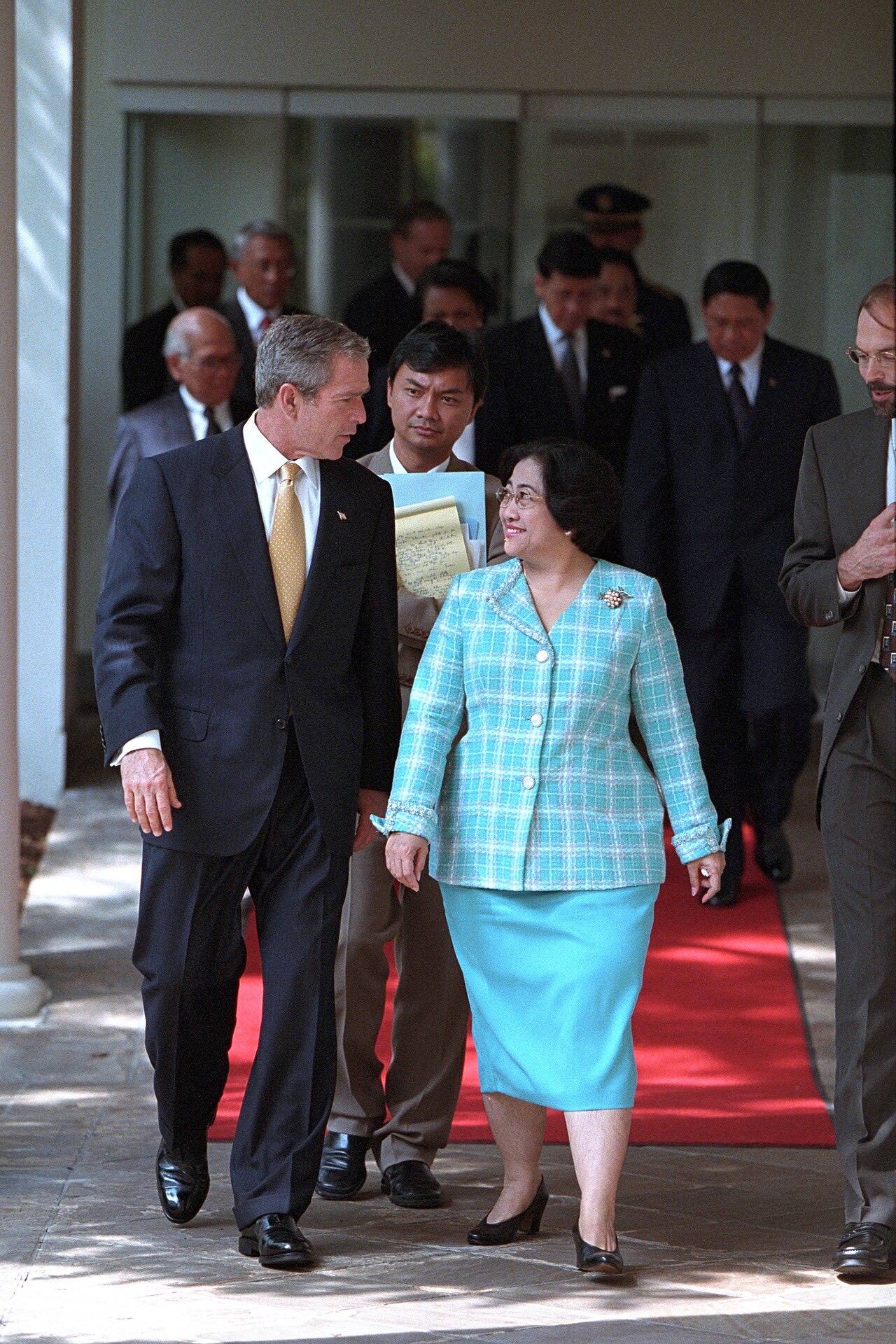
The Silent Threads of Diplomacy
When a diplomatic cable is released, it is frequently an edited version of a much more complex narrative. These documents, drafted by diplomats stationed around the globe, encapsulate not only political stances but also the human stories behind them. Yet, the public rarely sees the full picture. What do we miss when we only skim the summarized reports featured in the news? This question becomes particularly pertinent in an age where sound bites and quick updates dominate our understanding of global affairs.
Many times, the subtleties of local sentiments, cultural intricacies, and longstanding grievances are glossed over or omitted entirely. The left often critiques the right for not understanding the deeper implications of foreign policy, while the right accuses the left of being too idealistic in its approach to diplomacy. Both sides, however, fall short in recognizing that the nuances of diplomatic cables can’t easily fit into their ideological boxes.
“What do we miss when we only skim the summarized reports featured in the news?”
Context is Key
For instance, take the current discussions surrounding the Middle East. Cables often reference strategic interests and political alliances, but they rarely delve into the everyday realities faced by local populations. The plight of civilians caught in conflict zones, the impact of sanctions on everyday life, and the voices of those who often go unheard are vital components missing from the broader discourse. Without this context, the public remains ill-equipped to engage thoughtfully with the complexities of international affairs.
Furthermore, the rush to assign blame or praise to various government actions can lead to oversimplifications. Right-wing commentators might focus on the need for decisive action, often overlooking the potential humanitarian consequences. Conversely, left-leaning voices may emphasize diplomatic negotiations while ignoring the harsh realities of a world where power dynamics often dictate the terms of engagement.
The Role of Media
The media plays a critical role in shaping public perception of these diplomatic communications. Sensational headlines can overshadow the more nuanced discussions contained within the cables. This, in turn, influences how citizens interpret their government's actions on the global stage. With the media's tendency to prioritize captivating narratives, we must question whether the public is receiving a true reflection of diplomatic realities.
As journalists, we bear the responsibility of digging deeper, seeking out the stories that may not fit neatly into a headline. The challenge lies in balancing the need for brevity with the requirement for depth. The current media landscape often favors the former, potentially undermining our ability to foster an informed citizenry.
“The public remains ill-equipped to engage thoughtfully with the complexities of international affairs.”
Engaging with Complexity
In an era where polarization is rampant, both left and right must recognize the importance of engaging with complexity. The tendency to retreat into echo chambers serves only to reinforce existing biases and blind spots. Bridging the gap between differing viewpoints requires a commitment to understanding the multifaceted nature of global issues.
Moreover, it is crucial for policymakers to acknowledge that diplomatic solutions often require compromise and empathy. The simplification of complex issues into partisan talking points stymies progress and diminishes the potential for meaningful dialogue. Instead of vilifying opposing viewpoints, there should be a concerted effort to understand the underlying motivations and historical contexts that shape them.
Conclusion: A Call for Depth in Reporting
As we move forward in our analysis of diplomatic cables and their implications, it is essential to demand a higher standard of reporting. Both the left and the right must strive to transcend partisan rhetoric and engage with the complexities that define our world. The responsibility lies with us, the media, to elevate the conversation beyond mere headlines and foster a more informed and engaged public.
✦ ✦ ✦