From the file. Written for the paper dated February 2008. Opened in the public stacks July 14, 2026.
As the excitement surrounding cabinet nominations begins to fade from the headlines, it is imperative to examine what often gets overlooked in the briefings and the broader implications of these appointments.
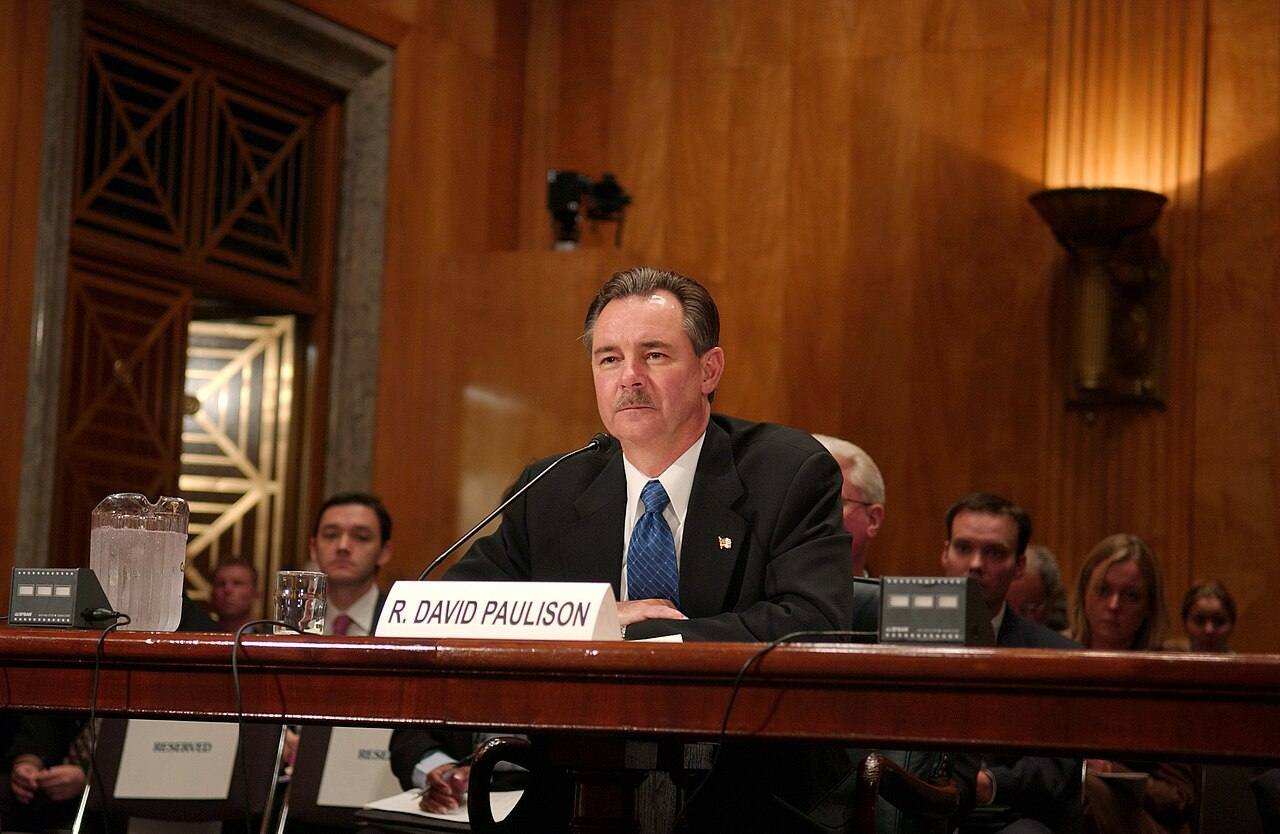
The Cabinet Shuffle: A Political Ballet
In the midst of the political whirlwind that accompanies a new administration, cabinet nominations can often feel like a carefully choreographed dance. Each selection is scrutinized, debated, and ultimately celebrated or vilified, depending on the prevailing sentiments of the day. Yet, as the dust settles, what remains unexamined is the deeper narrative that frequently lies beneath the surface of these appointments.
On one side, we have the fervent supporters of the new administration who hail each nomination as a victory for progress. They tout the diversity of the cabinet, celebrating the representation of various demographics and ideologies. However, this jubilant perspective can gloss over the potential pitfalls of appointing individuals more concerned with political expediency than genuine reform. The danger lies in prioritizing optics over substance, where the appointments are made to appease certain factions rather than to foster effective governance.

Conversely, the opposition seizes the opportunity to amplify any perceived flaws in the nominations. The right is quick to point out the backgrounds of certain appointees, framing them as elitist or out of touch. This critique, while not without merit, can often devolve into a simplistic attack that lacks nuance. The complexities of each nominee's qualifications or their ability to navigate the intricate bureaucracy of their respective departments become secondary to the rhetoric of partisanship.
"What remains unexamined is the deeper narrative that frequently lies beneath the surface of these appointments."
What the Briefings Don’t Cover
In the rush to dissect the political implications of cabinet nominations, several critical aspects are left unaddressed. First and foremost is the question of accountability. Each nominee brings with them a web of connections, previous decisions, and political debts. Who holds these individuals accountable once they step into their roles? The briefings rarely delve into the systemic issues that might prevent effective oversight, leaving the public to wonder whether the appointed officials can truly serve the national interest.
Moreover, the impact of these nominations on local and regional politics is often overlooked. Appointees may possess national prominence, but their decisions can have significant repercussions on the ground level. For instance, a Secretary of Education might prioritize policies that resonate with a national agenda while neglecting the unique challenges faced by different states or districts. The lack of a detailed examination of these implications can lead to a disconnection between federal policies and local realities.
The Left’s Woes
On the left, the excitement over the incoming administration has led to a somewhat naïve optimism regarding cabinet nominations. Many progressives seem to believe that the presence of certain individuals in leadership roles will automatically translate into progressive policy outcomes. This faith in individual appointees risks creating a complacency that could stifle grassroots activism and advocacy.
While it is essential to celebrate diversity and representation, the left must also remain vigilant. The tendency to embrace nominees without a thorough examination of their past actions and policy stances can lead to disillusionment when their decisions do not align with the progressive agenda. This moment calls for a balanced approach - championing representation while demanding accountability and principled leadership.
The Right’s Rhetoric
Meanwhile, the right continues to leverage every cabinet nomination as an opportunity to rally their base. The rhetoric has escalated to a point where any hint of opposition is met with accusations of treason or unpatriotic behavior. This extreme stance not only diminishes the quality of discourse but also detracts from the real issues at hand.
Critics on the right often fail to recognize that effective governance requires collaboration and compromise. The demonization of cabinet nominees who may not fit neatly into a conservative mold only serves to deepen the divide and inhibit productive dialogue. The focus should shift from mere opposition to a constructive critique that seeks to hold leaders accountable while fostering a spirit of cooperation.
Moving Forward
As we move forward in this political season, let us not forget the importance of critical engagement with the cabinet nominations. Both the left and the right must recognize that while the headlines may fade, the consequences of these appointments will resonate long after the briefings are over. It is our duty to question, to analyze, and to demand more from our leaders - not just in terms of who they are, but in what they will do.
✦ ✦ ✦