From the file. Written for the paper dated January 2008. Opened in the public stacks July 14, 2026.
The debate over laboratory safety protocols is heating up, with claims from both sides of the political aisle about the effectiveness of existing measures. As we continue into 2008, it is crucial to examine what the actual numbers reveal about lab safety incidents and the policies that govern them.
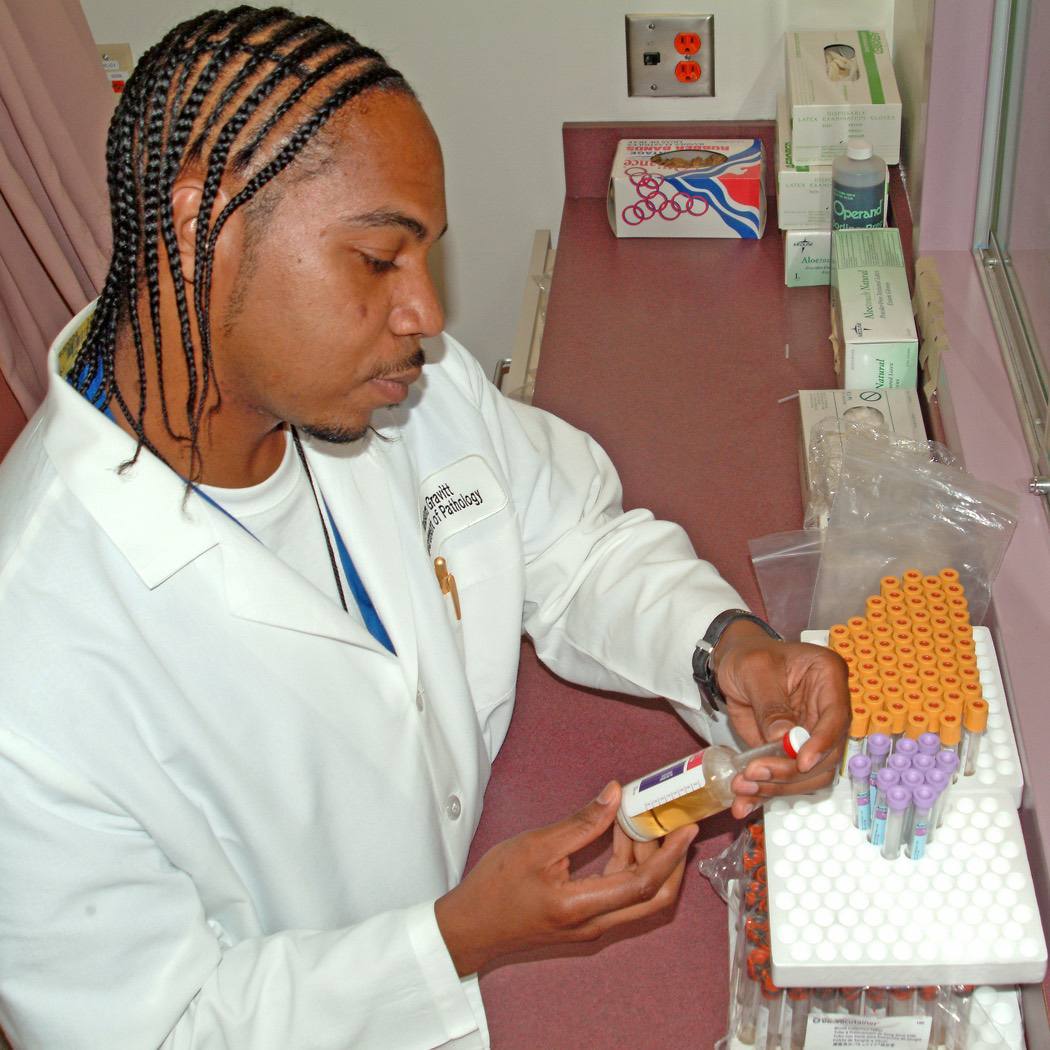
The State of Lab Safety
In the past decade, laboratory safety has become a topic of heated discussion in both scientific communities and political arenas. Proponents of stricter regulations argue that the rising number of incidents indicates a systemic failure to protect researchers and students alike. On the other hand, some on the right claim that these calls for regulation could hinder scientific progress, suggesting that the solution lies in fostering a culture of responsibility rather than imposing additional rules.
According to reports from various institutions, the number of lab accidents has indeed seen an uptick. While precise statistics are difficult to pin down due to underreporting and varying definitions of what constitutes a lab accident, anecdotal evidence suggests that incidents involving chemical spills, equipment malfunctions, and even personal injuries are becoming more common. This raises questions about the adequacy of training programs and the resources allocated for safety equipment.

Training and Resources: The True Culprits?
One factor that is often overlooked in the debate about lab safety is the quality and availability of training for lab personnel. Many accidents stem not from a lack of regulation but from inadequately trained staff who are not fully aware of the risks associated with their work. The reality is that a well-regulated environment cannot compensate for a poorly trained workforce. Institutions must prioritize comprehensive training programs to ensure that workers are equipped to handle hazardous materials and situations safely.
"A well-regulated environment cannot compensate for a poorly trained workforce."
Moreover, the allocation of resources plays a critical role in maintaining safety standards. Many laboratories, particularly at underfunded institutions, lack the necessary equipment to ensure a safe working environment. From basic protective gear to advanced safety systems, the absence of proper resources can lead to catastrophic outcomes. Critics of the current system argue that instead of imposing stricter regulations, lawmakers should focus on increasing funding for training and safety equipment.
The Political Divide
The political discourse surrounding laboratory safety often becomes polarized, with each side accusing the other of stifling progress or endangering lives. Left-leaning advocates emphasize the need for rigorous oversight and accountability, often calling for new legislation to protect workers. Meanwhile, conservatives frequently argue that too much regulation can stifle innovation and hinder scientific discovery.
While both sides raise valid concerns, the question remains whether the answer lies in more regulations or a reevaluation of existing practices. Instead of an all-or-nothing approach, a middle ground that emphasizes both safety and innovation might be the most beneficial for the scientific community. This requires open dialogue between policymakers, researchers, and safety experts to develop comprehensive solutions that address the root causes of safety incidents without hampering progress.
What the Numbers Actually Show
The data regarding lab safety is complex and multifaceted. While there is a clear upward trend in reported incidents, the reasons behind this increase are not as straightforward as they may initially appear. It is essential to consider factors such as better reporting mechanisms and increased awareness of safety protocols, which could contribute to the perception of rising incidents. Additionally, the growth of research institutions and the number of individuals working in labs could also skew these numbers.
In light of these complexities, it is vital to avoid using statistics as political fodder. Both sides of the aisle must recognize that while the safety of lab personnel is paramount, the path to achieving this goal is not a simple matter of enacting more laws. Instead, an emphasis on education, resource allocation, and a culture of safety might yield more significant improvements in lab conditions and worker safety.
Moving Forward
As we move further into 2008, the conversation around lab safety must evolve beyond partisan politics. The scientific community deserves a balanced approach that values safety while promoting innovation. Open dialogue and collaboration between all stakeholders will be essential for creating a safe working environment that allows for groundbreaking discoveries without putting lives at risk.
✦ ✦ ✦