From the file. Written for the paper dated January 2008. Opened in the public stacks July 14, 2026.
As the new administration begins to take shape, the nomination of key cabinet members has sparked a fierce debate, exposing the deep divides within both major political parties. While both sides tout their commitment to progress, the numbers tell a different story.

The Numbers Behind the Nominations
The cabinet nominations presented by the incoming administration are being hailed by some as a bold step towards inclusivity and modern governance. However, a closer examination reveals that the composition of these nominations reflects entrenched partisan divides rather than a truly representative government. The selection process, heavily scrutinized by both sides of the aisle, has raised questions about the effectiveness of these appointments in addressing the pressing issues facing the nation.
On one hand, progressives are celebrating the inclusion of minorities and women in prominent roles, hoping this will translate into policies that benefit a broader demographic. Yet, it’s crucial to analyze how these appointments will affect the actual policy-making process. Are these nominees genuinely committed to the values they represent, or are they merely symbolic choices meant to placate a restless base?
Meanwhile, conservatives are quick to criticize what they perceive as a lack of qualified candidates among the nominees. They argue that the emphasis on diversity has overshadowed the necessity for experience and competence. This sentiment is not without merit; the administration’s inclination towards selecting individuals based on identity rather than expertise raises concerns about the effectiveness of governance during critical times.
Left and Right: A Study in Contrasts
Both sides of the political spectrum are guilty of excesses in their rhetoric and actions during this nomination process. The left tends to champion a narrative of moral superiority, framing any dissent as an attack on progress itself. This approach not only alienates potential allies but also stifles legitimate debate on the qualifications and policies of the nominees. The zeal to promote a progressive agenda can sometimes overshadow the need for a pragmatic approach to governance.
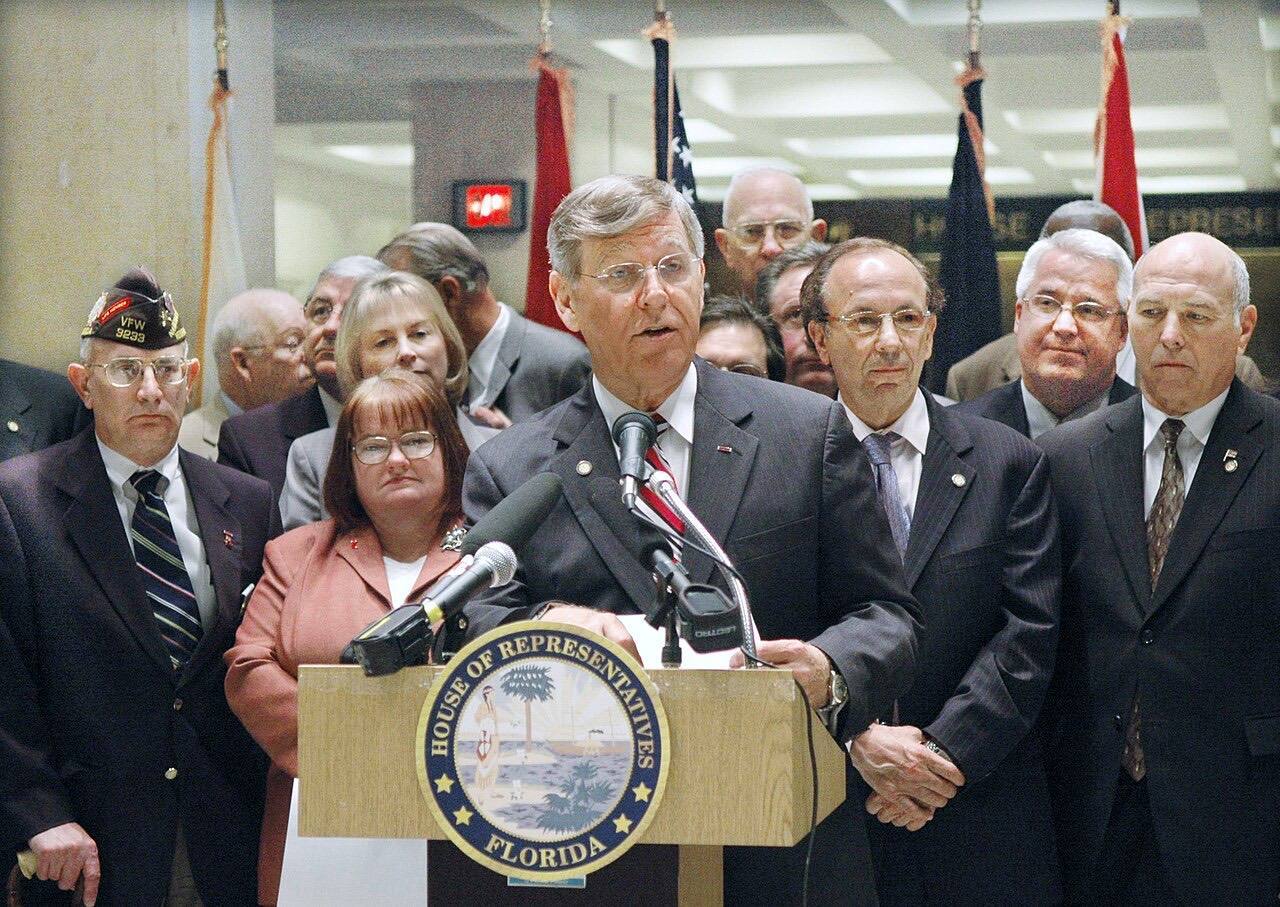
Conversely, the right has been equally excessive in its reaction to the nominations. The critique often veers into hyperbole, with claims of impending doom if the administration’s policies are allowed to take root. This alarmist rhetoric serves only to deepen the polarization in Washington, making it increasingly difficult to foster bipartisan cooperation on issues that demand immediate attention.
"The numbers tell a different story than the one being spun by both parties."
The Fallout for Voters
As these cabinet nominations unfold, the real impact on everyday voters remains to be seen. There is a palpable sense of frustration among the electorate, who are often left feeling that their concerns are eclipsed by the political posturing of party leaders. The promises made during campaigns often dissolve under the weight of partisan loyalty, leaving ordinary citizens disillusioned with the political process.
Moreover, the statistics surrounding cabinet appointments reveal an unsettling trend. While diversity in leadership is commendable, it should not come at the expense of effective governance. The current political climate, rife with division, threatens to undermine the very progress that these nominations seek to achieve.
Charting a Path Forward
For both parties, there is a pressing need to recalibrate their approaches to governance. The left must be cautious not to conflate diversity with effectiveness, ensuring that their nominees are equipped to tackle the challenges ahead. The right, on the other hand, should strive to engage in constructive dialogue rather than defaulting to fear-based tactics that do little to advance their agenda.
Ultimately, the effectiveness of the new cabinet will be measured not by the demographics of its members, but by its ability to enact meaningful policies that address the needs of all Americans. As the political landscape continues to evolve, it is imperative that both sides recognize the value of cooperation and compromise in order to foster a government that truly represents the will of the people.
✦ ✦ ✦