From the file. Written for the paper dated November 2007. Opened in the public stacks July 14, 2026.
As the nation grapples with rising consumer demand and the complexities of global trade, the persistent issue of port congestion continues to plague our economy. The bipartisan habit of selective memory regarding this crisis reveals a troubling tendency to ignore the roots of the problem while pointing fingers across the political aisle.

The Current State of Port Congestion
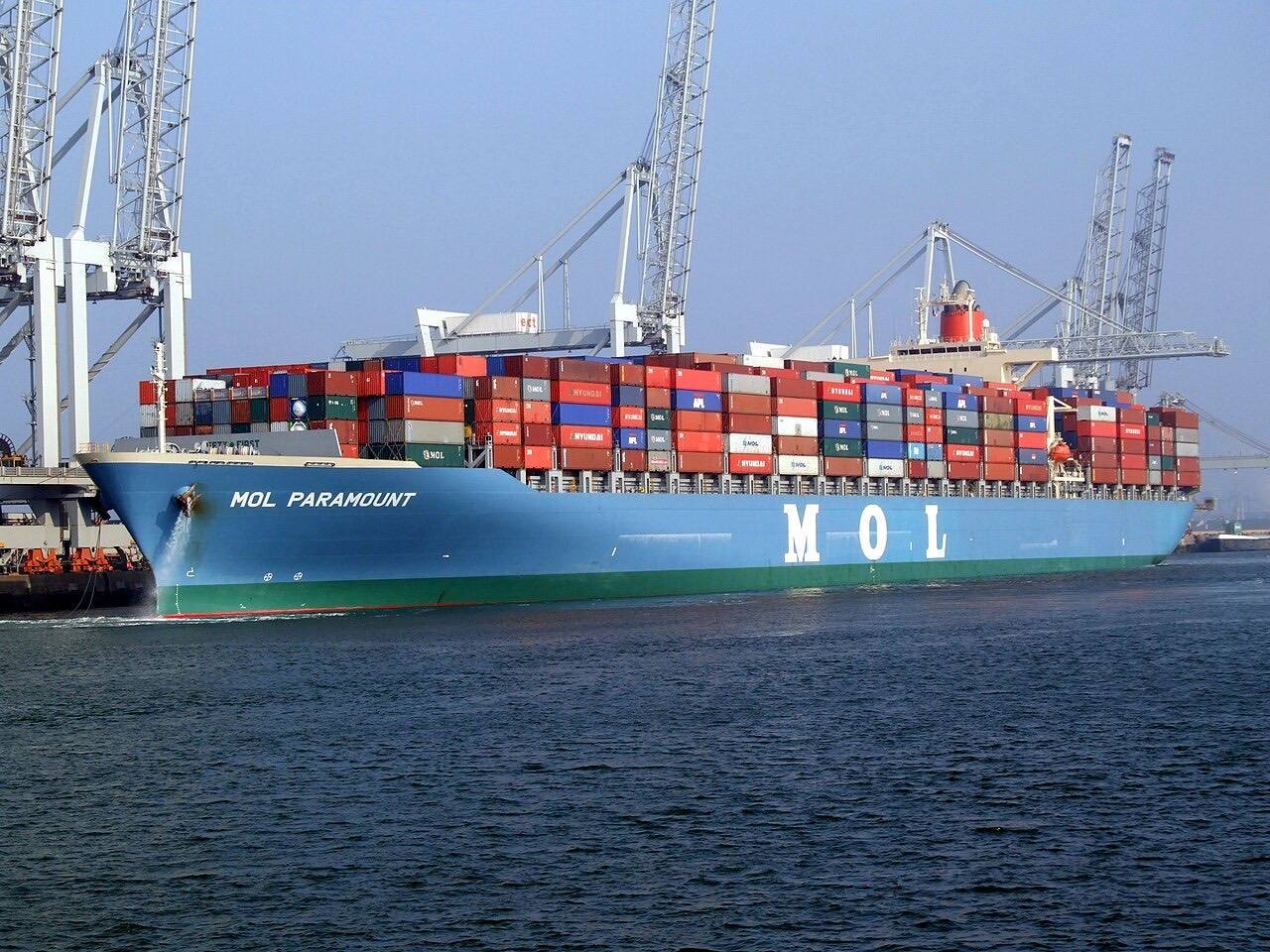
The ongoing backlog at major U.S. ports is not just a logistical nightmare; it is a symptom of a larger malaise affecting the American economy. As ships wait for days to unload their cargo, retailers face the risk of empty shelves during the critical holiday shopping season. The Port of Los Angeles, one of the busiest in the nation, is a prime example, with delays that have caused concern among businesses and consumers alike.
"The clogged arteries of our ports are affecting every American family, but the solutions seem lost in partisan bickering."
Both the left and the right have taken turns blaming one another for the crisis, often neglecting the fact that port congestion is a complex issue influenced by multiple factors, including labor disputes, infrastructure inadequacies, and the sheer volume of goods being imported. While Republicans may focus on regulatory burdens as the primary culprit, Democrats often highlight the need for increased investment in public infrastructure. Both sides have a point, yet both fall short of offering comprehensive solutions.
Selective Memory in Political Discourse
The selective memory displayed by both parties can be striking. For instance, Republicans often point to the expansion of trade agreements over the past decade, claiming that these deals have led to a surge in imports that is overwhelming our ports. However, they tend to forget that many of these agreements were supported by their own ranks, particularly during the Clinton administration. On the other hand, Democrats are quick to criticize the lack of funding for port infrastructure under Republican leadership, but they often overlook their own failures to prioritize these issues when in power.
Moreover, the media has contributed to this cycle of selective memory. Headlines often frame the issue in a way that fuels partisan divides, with sensationalist language amplifying the grievances of one side over the other. This creates a narrative that simplifies a complex issue, leaving the public with skewed perceptions that only serve to deepen divisions.
The Need for a Unified Approach
As we approach the end of the year, a bipartisan approach is essential to addressing the root causes of port congestion. Both parties must come together to acknowledge the multifaceted nature of the problem and work toward shared solutions. This includes investing in port infrastructure, streamlining regulatory processes, and addressing labor concerns comprehensively.
"If we continue down this path of finger-pointing and blame, we risk jeopardizing not only our economy but our standing in the global market."
We cannot afford to let partisan politics overshadow the urgent need for action. The American public deserves better than a political circus that prioritizes scoring points over real solutions. While the holiday season approaches, we must remember that the stakes are higher than just product availability; they encompass the livelihoods of millions of workers and the overall health of our economy.
Conclusion: Breaking the Cycle
In conclusion, the issue of port congestion is emblematic of a broader political dysfunction that must be addressed with urgency. Both sides of the aisle need to move beyond selective memory and embrace a collaborative approach that recognizes the complexities of the situation. As consumers, workers, and businesses await tangible solutions, it is imperative that politicians remember their responsibility to the American people, rather than merely to their party’s agenda.
✦ ✦ ✦