From the file. Written for the paper dated November 2007. Opened in the public stacks July 14, 2026.
In a political climate marked by vitriolic partisan divides, it is astonishing how both the left and the right engage in selective memory when it comes to executive orders. This week, the spotlight shines on yet another round of policy changes initiated by the President, underscoring an ongoing pattern that reveals more about our political discourse than the actual policies themselves.
Executive Orders: A Tool for All
The use of executive orders has become a common practice for presidents, regardless of party affiliation. In many cases, these orders are touted as necessary measures to bypass an often gridlocked Congress. However, when examined closely, it becomes evident that both sides of the political aisle have conveniently forgotten their previous stances on this issue, depending on who occupies the Oval Office.
Take, for instance, the current administration's use of executive power to advance its agenda. Many on the left, who previously decried the same tactic when employed by the previous administration, now find themselves defending it as a legitimate means to achieve necessary reforms. Conversely, right-wing commentators, who once championed executive orders as a powerful tool for decisive governance, now cry foul, arguing that such actions undermine the legislative process.
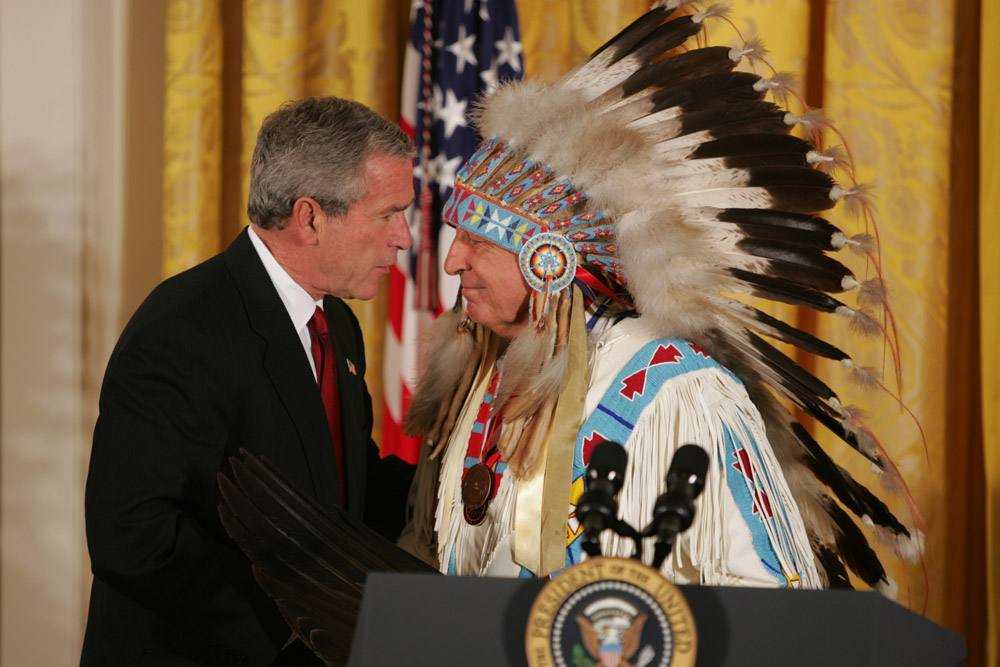
"The irony is palpable; both sides have played this game for their own gain."
Bipartisanship in Selective Memory
This pattern of selective memory is not limited to executive orders. It is emblematic of a broader malaise in American political culture. Both parties have become adept at reshaping the narrative to fit their current needs, often ignoring the consequences of their own past actions. This is particularly troubling in a time when political discourse is already fraught with polarization.
For example, the left's embrace of executive orders under the current administration stands in stark contrast to their fierce criticism of the last president's use of the same mechanism. Those who once rallied against what they deemed an abuse of power now find themselves justifying similar actions when it suits their agenda. On the flip side, the right, which once viewed executive orders as an essential tool for governance, has turned into a chorus of opposition, citing constitutional overreach and the importance of legislative debate.
The Consequences of Partisan Hypocrisy
This hypocrisy has significant implications for governance. When both parties engage in this selective amnesia, they contribute to a vicious cycle that erodes public trust in government institutions. Citizens become disillusioned, viewing politicians as self-serving and more interested in power than in principle. This is particularly concerning at a time when the nation faces pressing issues that demand collaborative solutions - issues like healthcare reform, immigration policy, and climate change.
Instead of fostering a productive dialogue, the current environment encourages a game of political chess, where each side seeks to outmaneuver the other rather than work together for the common good. The result is a fog of confusion, where voters are left to sift through the noise, trying to discern what policies are genuinely beneficial and what are mere political posturing.
Moving Forward: A Call for Accountability
As we move forward, it is crucial for both parties to hold themselves accountable for their actions and statements. It is time for lawmakers to recognize that the political landscape is not merely a battleground for partisan victories; it is a space for genuine governance that impacts the lives of millions of Americans. By acknowledging past mistakes and refraining from selective memory, both sides can work toward building a more cooperative and functional government.
In a climate where executive orders seem to proliferate, it is essential for citizens to demand more from their elected officials. We must advocate for transparency, consistency, and integrity in policy-making. The stakes are too high for us to accept anything less than principled leadership that transcends partisan divides. Only then can we hope to restore faith in our democratic institutions and work collaboratively toward a better future.
✦ ✦ ✦