From the file. Written for the paper dated October 2007. Opened in the public stacks July 14, 2026.
As the U.S. economy depends increasingly on rail freight to transport goods across vast distances, a closer examination reveals a concerning lack of oversight that may jeopardize efficiency and safety in this critical sector.
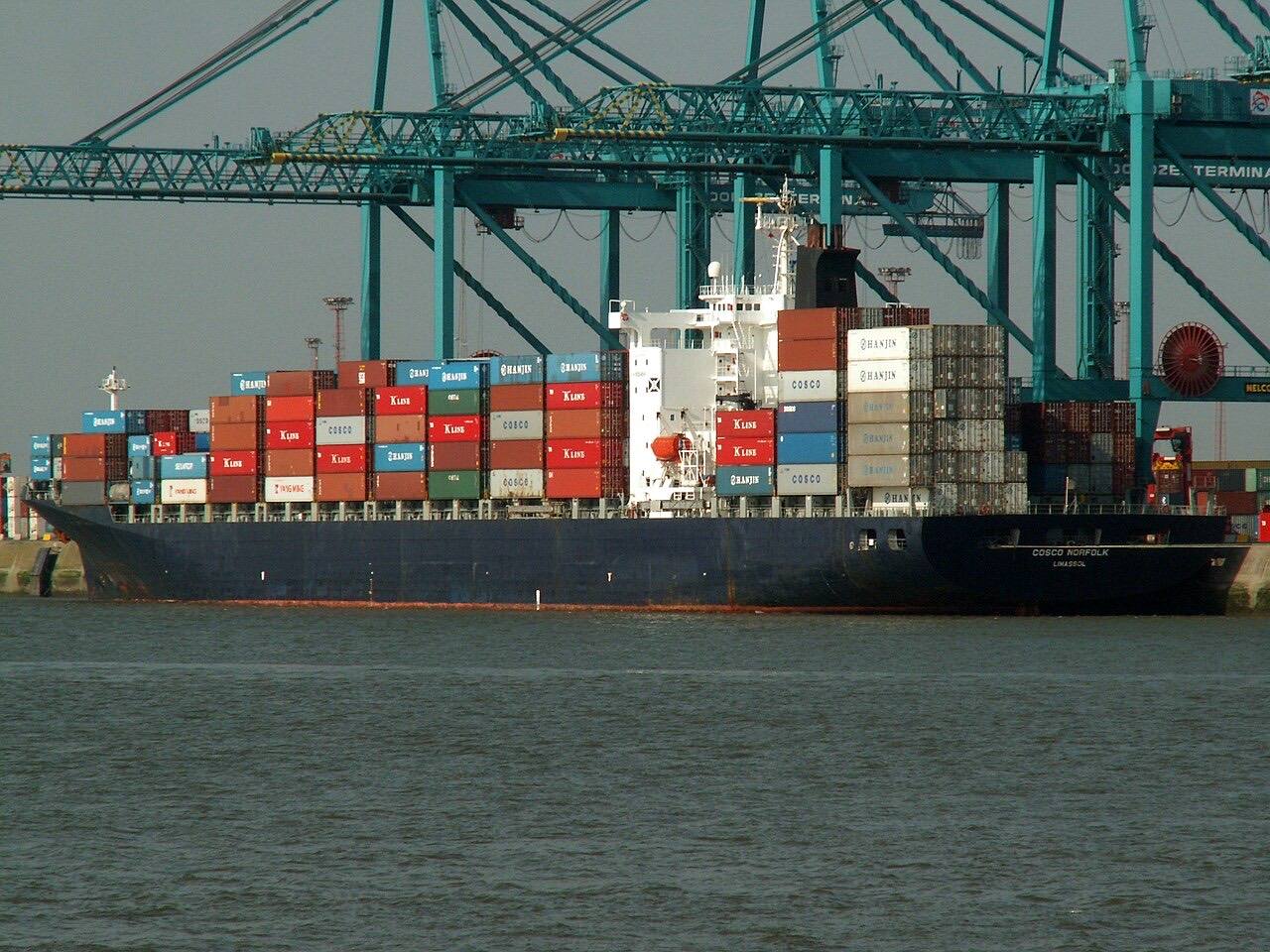
The State of Rail Freight
In recent years, rail freight has emerged as a backbone of American commerce, moving everything from automobiles to agricultural products. With rising fuel costs and growing environmental concerns, railroads offer a seemingly greener alternative to trucking. However, beneath the surface of this burgeoning industry lies a troubling reality - one that highlights both regulatory shortcomings and unchecked corporate interests.
Regulatory Gaps
Despite the rail industry's pivotal role in the economy, federal oversight has not kept pace with the rapid changes in the sector. The Surface Transportation Board (STB), responsible for regulating railroads, has faced criticism for its inability to effectively manage the increasing consolidation within the industry. Railroads have merged into fewer, larger companies, creating monopolistic environments that can inhibit competition and drive up costs for consumers.
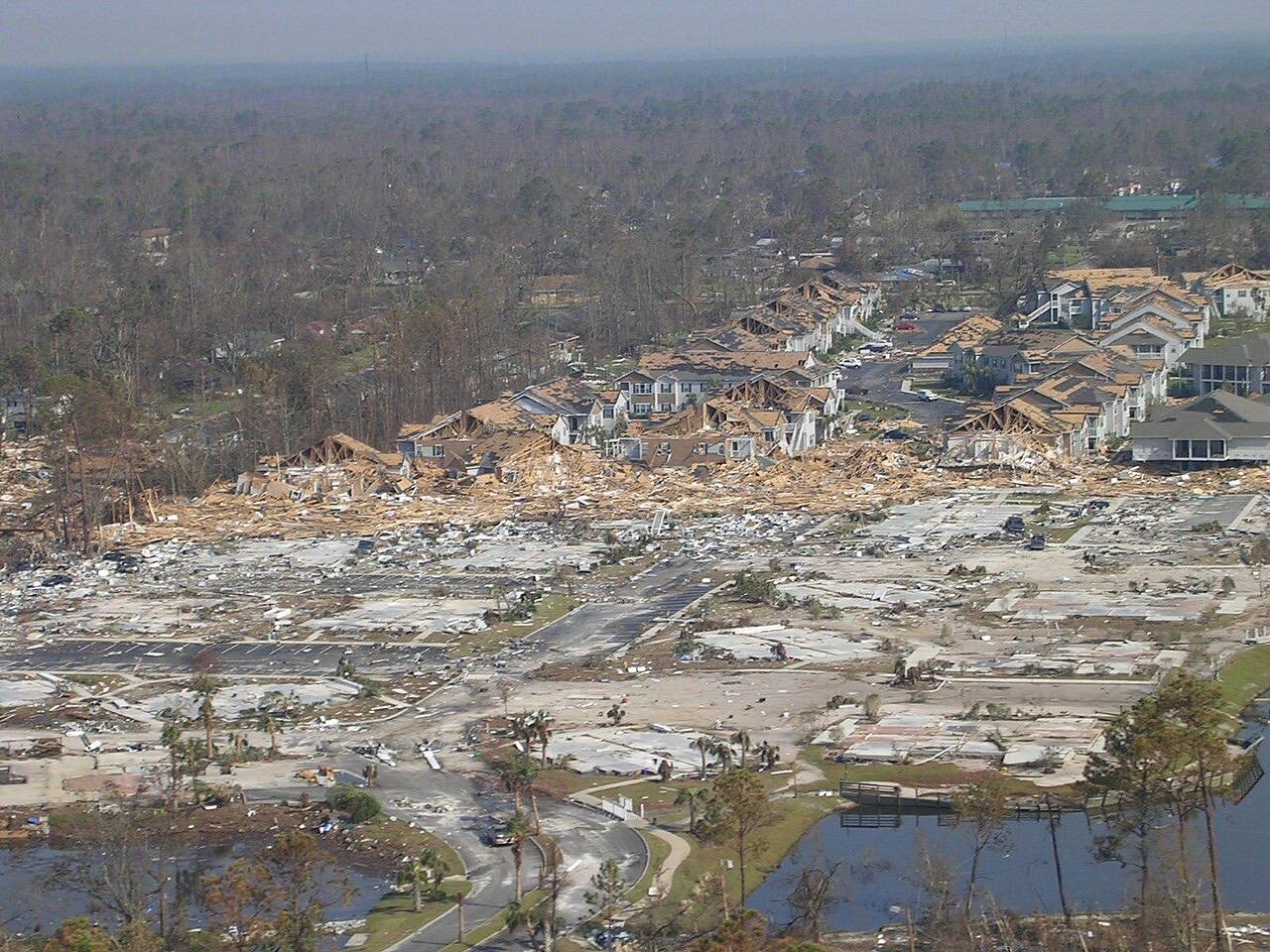
“The oversight is simply not equipped to handle the complexities of today's rail system,” says a source familiar with the STB's operations.
Moreover, safety regulations have not been sufficiently updated to address new technologies and operational practices, raising questions about the adequacy of the current framework. While the rail industry touts its safety record, significant incidents, such as derailments and hazardous material spills, still occur with alarming frequency. This calls into question whether oversight agencies are doing enough to ensure that railroads adhere to safety standards that protect both workers and the public.
Corporate Interests vs. Public Safety
The increasing influence of corporate interests within the rail industry further complicates the landscape. With railroads focusing on maximizing profits, there is a growing concern that safety measures may be sidelined in favor of cost-cutting initiatives. Employees have voiced their worries about the pressure to meet aggressive shipping schedules, which can lead to lapses in safety protocols.
This tension between corporate profit and public safety has been exacerbated by a climate of deregulation that has swept through many industries in recent years. The rail sector is no exception, with calls for deregulation leading to a reduction in oversight and accountability. Critics argue that such moves prioritize corporate profits over the safety of workers and communities affected by rail operations.
The Political Divide
The current political climate only adds to the complexity of the issue. On one side, some conservatives advocate for even less regulation, arguing that it stifles innovation and growth. They believe that the free market should dictate the terms of operation, trusting that competition will lead to better outcomes for consumers. However, this laissez-faire approach overlooks the potential dangers of unregulated practices, particularly in an industry where safety is paramount.
On the other side, some progressive voices advocate for stronger regulations and increased oversight to protect workers and communities. They argue that without intervention, the interests of large corporations will overpower the needs of everyday Americans. Yet, this call for regulation can sometimes veer into excessive oversight, hampering the efficiency and responsiveness of the industry. The challenge lies in finding a balance that ensures safety and competition without stifling growth.
Looking Ahead
As we move forward, it is imperative that stakeholders - from government regulators to industry leaders - engage in meaningful dialogue about the future of rail freight. The current landscape demands a careful reassessment of regulatory frameworks to ensure they are equipped to handle the complexities of modern rail operations.
Increased transparency and accountability must become the norm, not the exception. Partnerships between the rail industry and government entities could foster innovation while ensuring that safety remains a top priority. By working together, we can create a rail freight system that not only drives economic growth but also safeguards the well-being of workers and communities alike.
✦ ✦ ✦