From the file. Written for the paper dated August 2007. Opened in the public stacks July 14, 2026.
In an era where expertise is often touted as the ultimate authority, we must confront an uncomfortable truth: experts sometimes overclaim, and the cultural and political ramifications of this tendency are deserving of rigorous examination.

Defining Expertise and Its Limits
At the heart of the debate surrounding expertise is the question of what constitutes genuine knowledge. In many fields, specialists are revered for their insights and predictions, yet there is a growing concern that these claims can be overstated. The public often places blind faith in experts, assuming their authority guarantees accuracy. However, the reality is more nuanced.
Political commentators, scientists, and economists have all made predictions that have failed to materialize. Consider the economy: economists often forecast trends that can significantly influence policy decisions. Yet, when these predictions miss the mark, the consequences can be dire, leading to misguided policies that affect millions. In the realm of public health, experts advocating for certain medical practices may inadvertently downplay potential risks, leading to public mistrust.
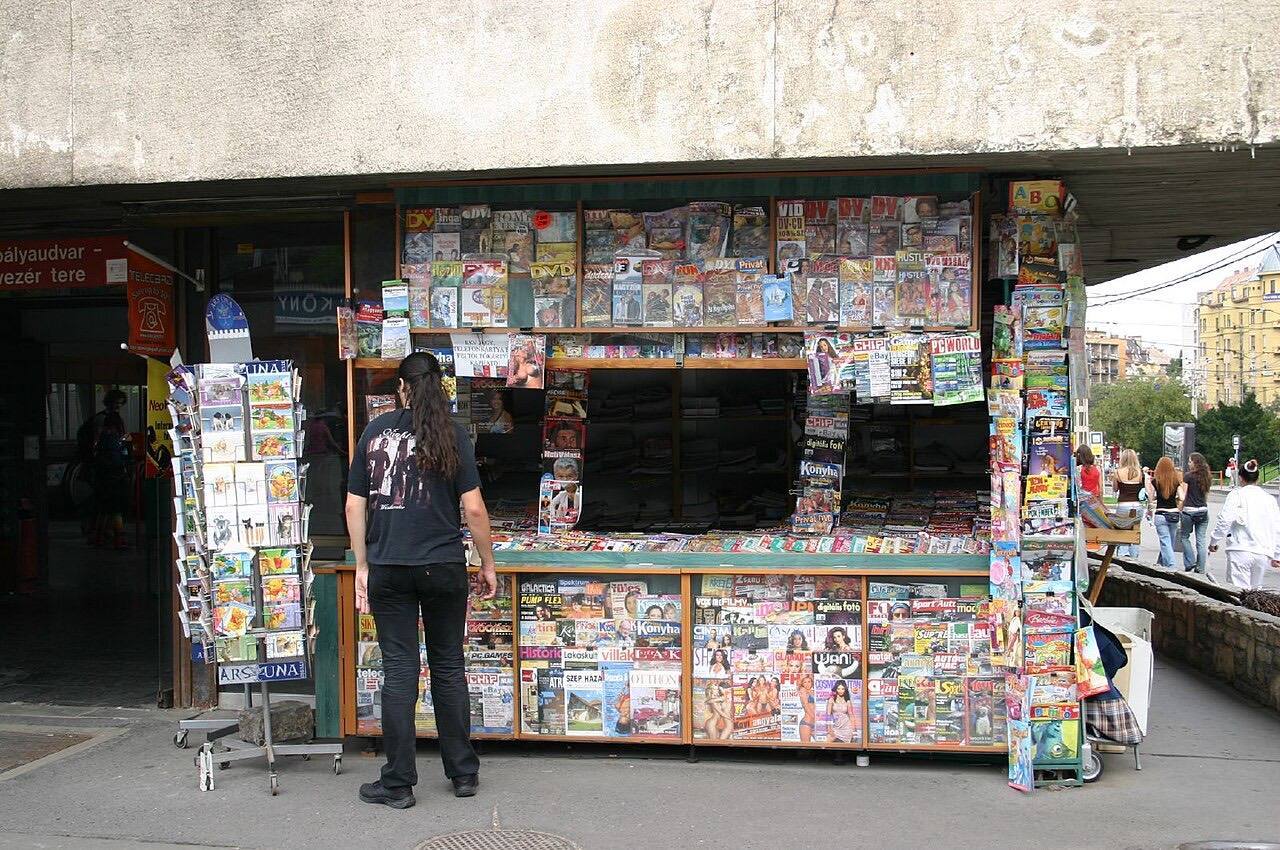
"The public often places blind faith in experts, assuming their authority guarantees accuracy."
When Certainty Becomes Hubris
The issue, then, is not simply that experts make mistakes - it's that the very structure of expert opinion can lead to a dangerous form of hubris. In their pursuit of clarity, experts may present information with an air of certainty that belies the complexities of reality. This not only misleads the public but also stifles healthy skepticism.
For example, in the realm of climate science, while consensus exists on many issues, the nuances of climate change are often glossed over in favor of alarmist predictions. This can create a narrative that, while well-intentioned, fosters a sense of despair rather than actionable understanding. The same can be said for debates surrounding health care reform, where experts may advocate for sweeping changes without adequately addressing the potential pitfalls.
The Dangers of Partisan Expertise
Both sides of the political spectrum have engaged in the practice of overclaiming. On the left, advocates for social justice may present data in a way that amplifies their narrative, often neglecting counter-evidence that could provide a fuller picture. On the right, economic forecasts that predict doom and gloom can serve to rally support for policies that favor deregulation or reduced government intervention, even when the evidence is not as clear-cut as presented.
In many cases, the overreliance on expert claims has led to a polarization of thought. Individuals are quick to align themselves with experts who affirm their beliefs, creating echo chambers where dissenting opinions are viewed as threats rather than opportunities for dialogue. This phenomenon further complicates the landscape, as the public grows increasingly skeptical of all experts, even those whose claims are well-founded.
"The very structure of expert opinion can lead to a dangerous form of hubris."
Reclaiming the Middle Ground
To address the issue of overclaiming, we must encourage a culture of critical thinking that values evidence-based discussion over dogmatic adherence to expert opinion. This means fostering an environment where experts are held accountable for their claims, and where the public is encouraged to question and engage with the information presented to them.
It is essential to recognize that expertise is not synonymous with infallibility. Experts should be transparent about the limitations of their knowledge and the uncertainties inherent in their fields. They must be willing to engage in discourse that includes dissenting opinions and alternative viewpoints, rather than merely dismissing them as uninformed.
The Way Forward
The path forward requires a collective commitment to balance. Policymakers must seek advice from a diverse range of experts - those who are willing to acknowledge uncertainty and engage in honest dialogue. The media, too, has a responsibility to present expert opinions with context, highlighting the nuances rather than relying on sensationalized sound bites that distort the truth.
In conclusion, the discussion surrounding expertise and overclaiming is not just about accountability; it's about the very fabric of our democratic society. It is vital that we cultivate a culture that values informed skepticism, encourages open dialogue, and recognizes that while experts can guide us, they are not infallible or omniscient. Only then can we truly harness the power of expertise for the greater good.
✦ ✦ ✦