From the file. Written for the paper dated August 2007. Opened in the public stacks July 14, 2026.
The ongoing debate surrounding epidemic response has reached fever pitch, with both sides of the political spectrum offering their solutions. However, amidst the clamor, important aspects of preparedness and response remain inadequately addressed.

Understanding the Response Framework
The approach to epidemic response in the United States has been a patchwork of federal and state efforts, often hampered by miscommunication and a lack of clear leadership. While the government has taken steps to bolster public health infrastructure, the reality is that a comprehensive, coordinated strategy is sorely lacking. The recent resurgence of illnesses like tuberculosis and the looming threat of infectious diseases from abroad highlight the urgent need for a more robust framework.
Political Posturing and Public Health
On one hand, the left has pushed for increased funding for public health initiatives, emphasizing the need for universal healthcare as a safeguard against epidemics. While their intentions may be commendable, the focus on funding can sometimes overshadow the necessity of effective implementation and management of existing resources. Simply pouring more money into a fragmented system may not yield the desired results, as evidenced by the inefficiencies present in many health departments across the nation.
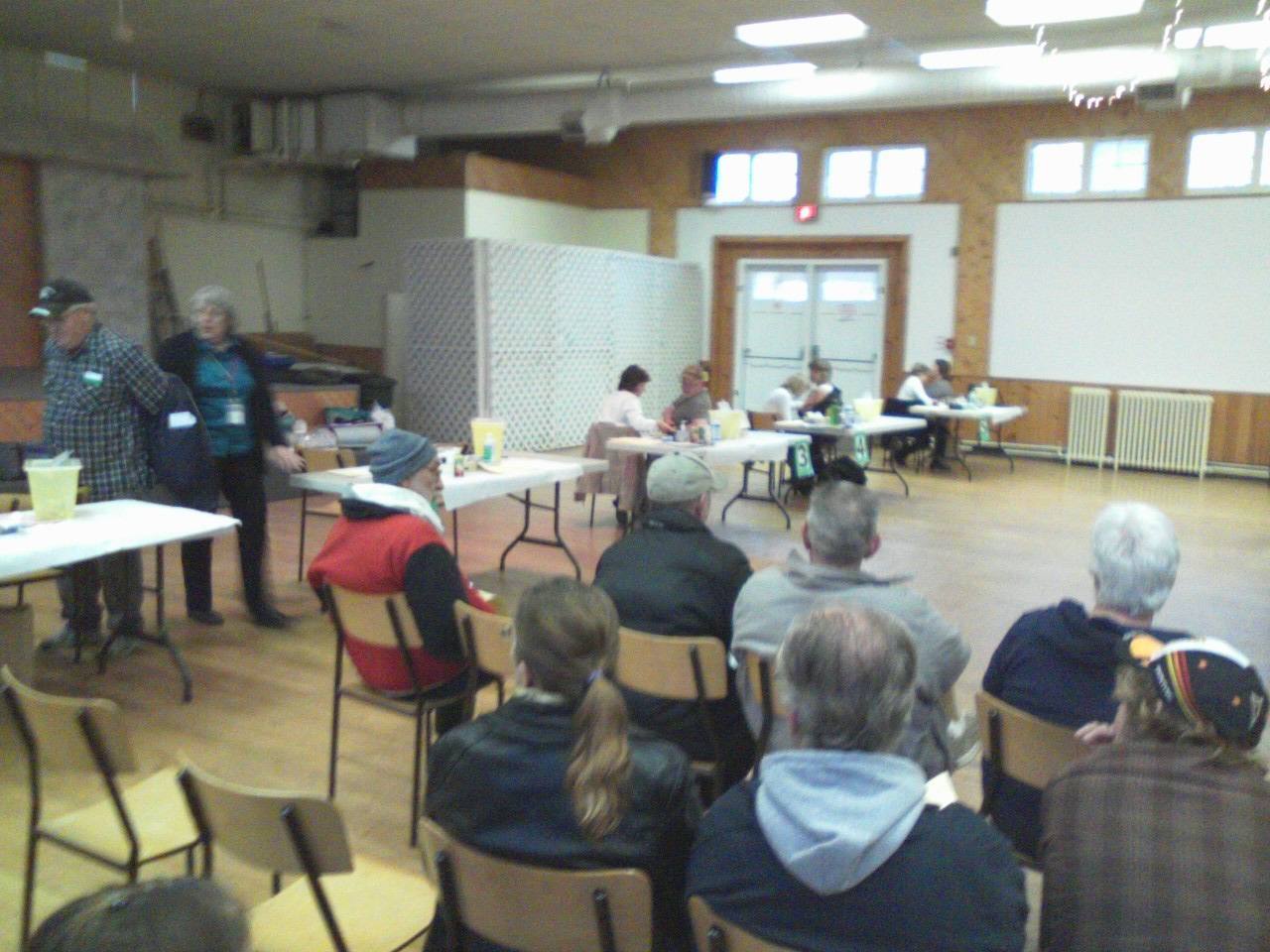
Conversely, the right has called for a more market-driven approach, advocating for private sector solutions to public health challenges. This perspective often overlooks the fact that public health is inherently a collective responsibility. The notion that profit-driven motives can adequately address public health crises is fundamentally flawed. The public's health cannot be treated as just another commodity; it requires a commitment from both public and private sectors, as well as from the community at large.
“Public health cannot be treated as just another commodity.”
The Elephant in the Room: Preparedness
One of the most contentious issues in epidemic response is preparedness. The events of September 11, 2001, and subsequent bio-terrorism concerns led to heightened awareness of the need for readiness against potential health crises. Yet, despite this awareness, the actual preparedness levels remain questionable. The Centers for Disease Control and Prevention has made strides in developing guidelines and response plans, but many states lack the infrastructure and training necessary to execute these plans effectively.
Moreover, discussions around preparedness often skirt around the more uncomfortable aspects of potential outbreaks, such as the distribution of vaccines and the reality of rationing in times of scarcity. The public is often reluctant to confront the implications of such measures, which could lead to difficult ethical dilemmas. The failure to address these issues openly may ultimately hinder effective response when a crisis does occur.
The Role of Communication
Effective communication is another area where both political extremes fall short. The left tends to emphasize the need for transparency and public education, which is certainly essential. However, their reliance on scientific jargon can alienate the very populations they aim to inform. On the other hand, the right often resorts to fear-based messaging, which may succeed in grabbing attention but can lead to widespread panic and misinformation. A balanced approach, focused on clear, accessible communication, is vital for mobilizing public support and ensuring compliance during an epidemic.
Community Engagement and Responsibility
Beyond government action, there is an equally pressing need for community involvement in epidemic response. Grassroots organizations often serve as the frontline of public health education and can mobilize local resources in times of need. However, these efforts can be undermined by a lack of support from both local governments and the federal level. Engaging communities not only fosters trust but also empowers individuals to take an active role in their health and the health of those around them.
Both political parties must recognize that the battle against epidemics is not solely a question of policy but also one of public engagement. Individuals need to understand the importance of vaccination, hygiene practices, and early reporting of symptoms. Education campaigns should be tailored to resonate with diverse communities, encouraging proactive measures rather than reactive panic.
Conclusion: A Call for Unity
In the face of potential health crises, it is crucial that both sides of the political spectrum abandon their rigid postures and work collaboratively toward a common goal: the health and safety of the public. Acknowledging the shortcomings of current approaches and engaging in an open dialogue about epidemic response is essential. Only by adopting a comprehensive, inclusive strategy can we hope to mitigate the impacts of future epidemics and safeguard public health for all.
✦ ✦ ✦